- Top Pick: ABOK Ark3600 Portable Power Station 3600W, 3840Wh LiFePO4 Battery
- Best Value: Jackery Explorer 300 Portable Power Station,292Wh
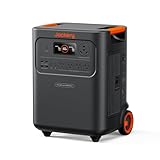
- Premium Choice: Jackery HomePower 3600 Plus Portable Power Station with 2X 200W Solar Panels, 3600W AC Output, 3584Wh LFP Solar Generator, Expandable up to 21kWh, Essential Home Backup for Home Use, Emergencies, RV

TL;DR: Portable power stations (all-in-one units like Jackery, EcoFlow) are faster to set up but cost more per wh and can’t be easily expanded. Fixed house battery systems (12V LiFePO4 + inverter + BMS) cost less long-term, scale to full vanlife power needs, and charge faster from solar — but require real wiring work. For weekend use, portable wins. For full-time vanlife, build a house battery system.
Portable Power Station vs. House Battery System for Vanlife (2026 Comparison)
Vanlife power is where most builders overthink and overspend. The choice between a portable power station and a dedicated house battery system shapes everything downstream: how much you can run, how fast you recharge, how much you spend over 3 years, and how complex your electrical build becomes. This comparison covers both approaches honestly — including the scenarios where portable wins and where house batteries are the only sensible answer.
As an Amazon Associate we earn from qualifying purchases at no extra cost to you.





🛒 Best Price Today on Amazon
Prime members get fast, free shipping on everything above, plus member-only deals. New members get a 30-day free trial — cancel anytime.
Start 30-Day Prime Free Trial →See Today’s Amazon DealsProducts Compared


As an Amazon Associate we earn from qualifying purchases. Product prices and availability are accurate as of the date/time indicated.

WAYSKA Diesel Heater 12V, 5L Tank, Diesel Heater 2KW, Muffler, Diesel Parking Heater with LCD Monitor & Remote Control for Trucks, Trailer, Boat and Motor-Home


As an Amazon Associate we earn from qualifying purchases. Product prices and availability are accurate as of the date/time indicated.

Ivation Portable Camping Shower | Compact Handheld & Hands-Free Rechargeable Outdoor Shower Head & Cleaning System w/ 3.7V Pump, 6-Ft Hose, Bidet Head, Removable Filter, Multiuse Hook & USB Cable


As an Amazon Associate we earn from qualifying purchases. Product prices and availability are accurate as of the date/time indicated.
Portable Power Stations: What They Actually Are
See also: How Long Will a 100Ah Battery Last in a Van? Runtime Math Explained • Best Level 2 EV Chargers for Home
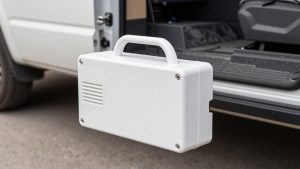
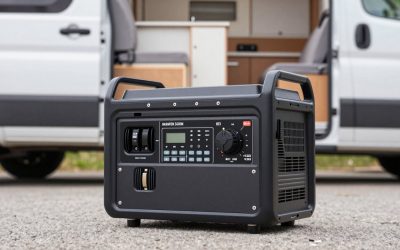
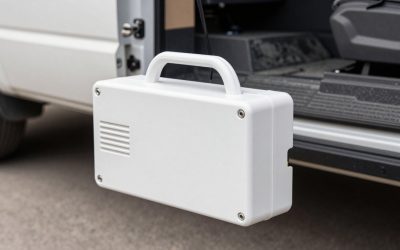
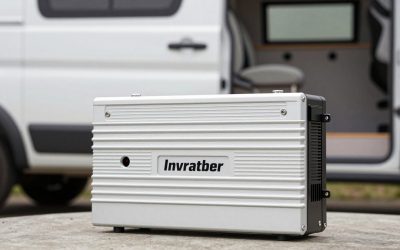
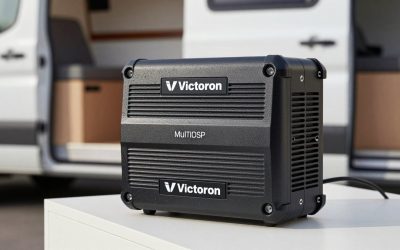
A portable power station combines a lithium battery pack, a BMS, an inverter, AC outlets, USB ports, and a charge controller into a single sealed unit. You plug it in to charge (wall, solar panel, or 12V car outlet), then plug your devices into it. No wiring, no fuse blocks, no configuration. The appeal is obvious — total setup time is under 10 minutes.
The math gets complicated at scale. A 1,000Wh portable station (mid-range size) costs $700–$1,000. That same $800 in a DIY house battery system buys roughly 200Ah of LiFePO4 (2,560Wh usable) — 2.5x more usable capacity. You’re paying a significant convenience premium with portable stations, and that premium grows as your power needs increase. For context, running a 12V compressor fridge 24/7 draws roughly 300–500Wh/day. A 1,000Wh portable station gives you 2 days of fridge power. A 200Ah house battery gives you 5+ days.
House Battery Systems: Components and Complexity
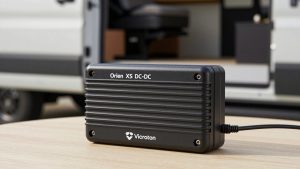
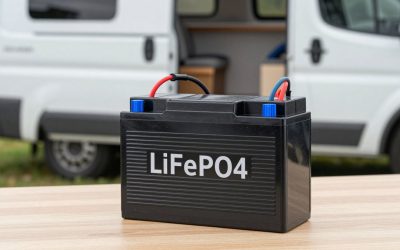
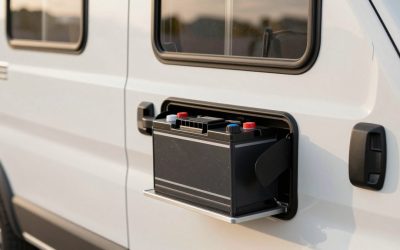
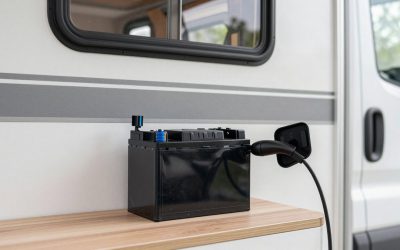
A house battery system for vanlife typically includes: a LiFePO4 battery bank (100Ah–400Ah), a battery management system (BMS, often built into the battery), a DC-DC charger (charges from the van’s alternator while driving), an MPPT solar charge controller (for roof panels), a battery monitor (shunt-based), a fuse block, and an inverter/charger for AC power. Each component is separate, individually replaceable, and upgradeable.
The wiring requirement is real but learnable. A properly designed vanlife electrical system takes 1–2 weekend days to install if you follow a wiring diagram. The payoff: your system is fully serviceable (replace a faulty component rather than returning the whole unit), can be expanded (add a second battery, upgrade solar), and performs better at high loads. A 2,000W inverter running a microwave is routine in a house battery system. The same load will throttle or cut out most portable stations. See our LiFePO4 battery guide and MPPT controller guide for component-level recommendations.
Solar Charging: A Critical Difference
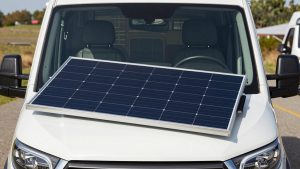
Portable power stations accept solar input, but most cap solar input at 200–400W and charge at 10–20A. A house battery system with a proper MPPT controller accepts 400–800W+ of solar and charges at 30–60A. On a cloudy day, input amperage matters more than panel wattage — MPPT efficiency gains of 15–30% over PWM controllers make a meaningful difference. If you’re planning a 200W solar panel setup or larger, the MPPT + house battery combination will deliver significantly more daily energy than a portable station’s built-in charge controller.
Alternator charging is another gap. Most portable stations take 8–12+ hours to charge from a 12V car outlet (100–120W max). A DC-DC charger in a house battery system charges at 30–50A from the alternator — fully recharging 100Ah in 2–3 hours of driving. For vanlifers who drive frequently and park in shade, alternator charging via a DC-DC charger is far more practical than car-outlet charging a portable station.
Spec Comparison Table
| Factor | Portable Station (1,000Wh) | House Battery (100Ah LiFePO4) |
|---|---|---|
| Usable Capacity | ~900Wh (90%) | ~1,280Wh (80% DOD) |
| Setup Time | 10 minutes | 1–2 days (wiring) |
| Cost per Wh | $0.70–$1.00/Wh | $0.20–$0.35/Wh |
| Solar Input Max | 200–400W | 400–800W+ |
| Max Inverter Output | 1,000–2,000W | 2,000–3,000W |
| Alternator Charging | Slow (100W max) | Fast (30–50A DC-DC) |
| Expandability | Add second unit | Parallel batteries, more solar |
| Repairability | Replace whole unit | Replace individual components |
| Wiring Required | None | Yes (12V DC + fusing) |
| Best Use Case | Weekend/part-time | Full-time vanlife |
When Portable Wins
Portable power stations make sense in three clear scenarios: (1) Weekend or occasional van use where you don’t want to invest in a full build. A 500–1,000Wh station handles a fridge, phone charging, and lighting for 2–3 day trips reliably. (2) Rental or conversion vans where you can’t permanently wire the vehicle. (3) As a supplemental power source for a build that already has a house battery — useful for running high-draw appliances like hair tools or a portable AC without taxing the main system. For heating solutions, the diesel heater is nearly always fed directly from the house battery rather than a portable station due to peak draw at startup.
Frequently Asked Questions
Is a portable power station enough for full-time vanlife?
For a very minimal setup (no fridge, no cooking, laptop + phone + lighting), a 1,000–2,000Wh portable station is workable. Add a compressor fridge and real cooking loads and you’ll hit the capacity limit within 1–2 days. Most full-timers eventually transition to a house battery system for the capacity and charging speed advantages.
What size portable power station do I need for vanlife?
Calculate your daily Wh use: fridge (300–500Wh) + lighting (20–50Wh) + device charging (50–150Wh) + any cooking or other loads. Double that number to account for solar variability and partial days. Most vanlifers with a fridge need 1,500–2,000Wh minimum; without a fridge, 500–1,000Wh covers basic needs.
Can I charge a portable power station while driving?
Yes, via the 12V cigarette lighter or a dedicated Anderson plug. Input rate is typically 100–120W — slow. Expect 8–12 hours to fully charge a 1,000Wh station from a car outlet. This is the primary weakness of portable stations vs. house battery systems with DC-DC alternator charging.
How many years do portable power stations last?
Most lithium portable stations are rated 500–3,000 charge cycles (LiFePO4 units on the higher end). At one cycle per day (full-time vanlife), that’s 1.4–8+ years. LFP-based portable stations (EcoFlow DELTA Pro, etc.) last 3–4x longer than NMC chemistry stations. Check the battery chemistry spec before buying for full-time use.
What’s the best setup for a hybrid approach?
Build a 100–200Ah house battery system as the primary source, add a 500Wh portable station as overflow for high-draw appliances or emergency backup. The portable charges from your solar system during the day and handles loads the main inverter can’t support efficiently. This gives you both reliable base power and flexible supplemental capacity without oversizing your main battery bank.
Final Verdict
Weekend vanlifers: buy a 1,000–2,000Wh LFP portable station and enjoy plug-and-play simplicity. Full-time vanlifers: build a house battery system with 200Ah LiFePO4, a 40A MPPT controller, and a DC-DC alternator charger. The wiring work pays back in lower cost per Wh, better solar charging, and a system that grows with your needs. Bridge the gap with our LiFePO4 battery recommendations and solar panel guide to spec the right components for your build.