- Top Pick: Jackery Explorer 1000 v2 Portable Power Station,1070Wh,1500W
- Best Value: Jackery Solar Generator 1000 v2 and 200W Solar Panel,1070Wh,1500W AC
- Premium Choice: Jackery Explorer 1000 v2 Portable Power Station and Carrying Bag, 1070Wh LiFePO4 Battery,1500W AC/100W USB-C Output, 1 Hr Fast Charge, Solar Generator for for Outdoor, Camping
Last updated: October 9, 2026
After six months of running the Jackery Explorer 1000 v2 through everything from boondocking in the Mojave to a snowed-in weekend in a rented cabin, it’s earned a permanent spot in the van. The 1070Wh LiFePO4 battery and 1500W AC output put it in a sweet spot for van-lifers who need to run a compressor fridge, charge laptops and camera gear, and occasionally push a small induction plate or space heater without tripping a breaker.
This review covers how it performs in real off-grid conditions, where it falls short, and which configurations or accessories actually make sense depending on your setup.
As an Amazon Associate we earn from qualifying purchases at no extra cost to you.




⚡ Save on Your Next PC — Amazon Prime
Prime members get fast free shipping on the systems above, plus early access to Prime Day & Black Friday PC deals. New members get a 30-day free trial.
Watch: In-Depth Review: Jackery Explorer 1000 Portable Power Station — Video Review
Design & Build
See also: Best Van Awning for Campers: Rack-Mount, Portable and Freestanding Options Sorted • In-Depth Review: Goal Zero Yeti 1500X Portable Power Station
The Explorer 1000 v2 weighs in at roughly 27 lbs, which is manageable but not something you want to carry across a gravel lot more than once a trip. The chassis feels noticeably sturdier than the original Explorer 1000, with a matte finish that resists fingerprints and a recessed handle that doesn’t dig into your palm. The front panel groups all ports logically: AC outlets on the right, USB-A and USB-C (including a 100W USB-C PD port) on the left, and a clear LCD screen showing input/output wattage, remaining runtime estimate, and battery percentage. LiFePO4 chemistry means Jackery rates it for around 3,000 charge cycles to 80% capacity, which should outlast most other components in a van’s electrical system. If you’re moving it in and out of a vehicle often, pairing it with the version that includes the carrying bag is worth the marginal cost difference, since the case alone doesn’t offer much drop protection.
Performance
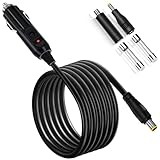
In practice, the 1070Wh capacity translates to about 15-18 hours running a 40L compressor fridge, or roughly 1 full charge cycle for a laptop plus phone plus drone battery with capacity to spare. The 1500W AC output handled a 1200W electric kettle and a 900W induction burner without issue, though running both simultaneously will trip the internal protection. Recharging from a wall outlet is genuinely fast, Jackery advertises a 1-hour full charge and in testing it landed close to that, around 65-70 minutes. Solar recharging is where patience matters more: paired with the 200W solar panel in the solar generator bundle, a full charge under good sun took closer to 6.5 hours, which is normal for panel wattage this size but worth planning around if you’re relying solely on solar in overcast regions. Car charging via a 12V-24V adapter is slow by comparison, useful as a top-up while driving but not a primary charging strategy.
Pros & Cons
- Fast AC recharge time, roughly an hour from empty to full
- 1500W continuous output handles most small kitchen appliances
- LiFePO4 battery offers long cycle life, rated near 3,000 cycles
- Clear, informative LCD display with real-time wattage readout
- Quiet fan noise even under heavier loads
- 27 lbs makes it awkward for frequent solo carrying
- Solar recharge speed depends heavily on panel size and sun conditions
- No built-in wheels or telescoping handle at this weight class
- Simultaneous high-draw appliances can trip the output limit
- Premium price relative to non-LiFePO4 competitors
Alternatives to Consider
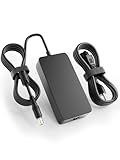
If your power needs are lighter, the Jackery Explorer 300 is a reasonable downsize, its 292Wh capacity won’t run a fridge overnight but it’s fine for phones, lights, and a laptop, and it’s far easier to tuck into a smaller rig. For those who want a complete off-grid charging loop out of the box, the Solar Generator 1000 v2 bundle with the 200W panel saves you from sourcing a compatible panel separately. And if you’re supplementing an existing unit rather than replacing it, the UCANUUP 180W AC charger is a solid backup charging option worth having in the toolkit.
Frequently Asked Questions
Can it run a van’s compressor fridge overnight?
Yes. Most 40-60L compressor fridges draw 40-60Wh over a full night, so the 1070Wh capacity leaves comfortable headroom for other devices even after a full night of fridge use.
Is the included charger enough or should I buy the 12V-24V adapter separately?
The unit ships with an AC wall charger, but the 12V-24V car charger is sold separately and worth adding if you plan to top up while driving between camp sites.
How does solar charging speed compare to wall charging?
Wall charging is dramatically faster, around an hour versus roughly 6.5 hours with the 200W solar panel in good sun. Solar is best treated as a daytime maintenance charge rather than a fast top-up.
Will the 1500W output run a microwave or space heater?
Small microwaves and space heaters under 1500W will run, but expect faster battery drain, often depleting a full charge in under an hour with a heater running continuously.
Verdict
The Jackery Explorer 1000 v2 earns its price through fast recharging, dependable LiFePO4 longevity, and enough continuous output to cover real van-life demands rather than just phone charging. It’s not the lightest option on the market, and solar charging requires realistic expectations, but for anyone spending extended stretches off-grid, it strikes a practical balance between capacity and portability that’s hard to beat at this size.