- Top Pick: Goal Zero Yeti 1500 Portable Power Station (6th Gen), 1,505Wh LiFePO4 | 2,000W Inverter with 3,600W Surge, 0-80% Recharge Under 1 Hour, 4,000-Cycle/10-Year Lifespan, IPX4 Weather Resistant
- Best Value: Goal Zero Yeti Portable Power Station, Yeti 700, 677 Watt Hour LiFePO4 Battery, Water Resistant & Dustproof Solar Generator for Outdoors, Camping, Tailgating, & Home, Clean Renewable Off-Grid Power | 600W AC Output with 1000W Surge, 4,000+ Cycle Lifespan, Fast Charging, IPX4 Water & Dust Resistant, for Outdoors & Home
- Premium Choice: Goal Zero Yeti 300 Portable Power Station, 297Wh LiFePO4, Solar Ready | 350W AC Output with 600W Surge, 4,000+ Cycle Lifespan, High-speed Charging, IPX4 Water & Dust Resistant, Camping & Home Use
Last updated: August 19, 2026
After three winters of van life, I’ve come to think of a power station less as a gadget and more as a utility closet you can carry around. The Goal Zero Yeti 1500 (6th Gen) is Goal Zero’s answer for people who want to run a compressor fridge, a CPAP, a laptop, and the occasional induction burner without babysitting a generator. At 1,505Wh with LiFePO4 chemistry, it sits in that mid-to-large tier where weight and capacity actually make sense for a rig with some cargo room to spare.
I’ve spent the last few weeks running this unit as my primary house battery in a converted Sprinter, alongside a couple of Goal Zero’s smaller siblings for comparison. Below is what actually matters once the novelty wears off: build quality, real-world runtime, and where it falls short.
As an Amazon Associate we earn from qualifying purchases at no extra cost to you.


⚡ Save on Your Next PC — Amazon Prime
Prime members get fast free shipping on the systems above, plus early access to Prime Day & Black Friday PC deals. New members get a 30-day free trial.
Watch: In-Depth Review: Goal Zero Yeti 1500X Portable Power Station — Video Review
Design & Build
See also: Best Van Awning for Campers: Rack-Mount, Portable and Freestanding Options Sorted • Top 7 Portable Laundry Solutions for Van Life
The Yeti 1500 (6th Gen) feels like a genuine step up from older Yeti generations. The chassis is a tougher polymer with a recessed carry handle setup (two side handles plus one on top), which matters once you’re hauling 43 lbs across gravel to a campsite. The LiFePO4 cells are the headline upgrade here: Goal Zero rates this unit for roughly 4,000 cycles to 80% capacity, which on paper works out to about a decade of near-daily use before you’re looking at a meaningful capacity drop. That’s a real improvement over older NMC-based Yetis that were closer to 500-1,000 cycles. The IPX4 rating means it’ll shrug off splashes and light rain under an awning, but this is not a unit you leave uncovered in a downpour or bury in trail dust — treat IPX4 as “weather resistant,” not “weatherproof.” The port layout is sensible: two 120V AC outlets, USB-A and USB-C (including a 100W PD port for laptop charging), a 12V car socket, and Anderson-style input for solar or wall charging.
Performance
The 2,000W continuous inverter with a 3,600W surge rating is the real story. I ran a 1,500W induction burner and a compressor fridge simultaneously without a hiccup, something that would have tripped older 1,500-series Yetis with their 1,200W inverters. Recharge speed is the other standout: using the included wall charger, I got from empty to 80% in just under an hour, which is a genuinely useful feature when you’re plugged into shore power for a short stop rather than overnight. Solar recharging is more realistic than advertised, as always — expect 300-400W of usable input from a typical two-panel setup rather than nameplate peak, so a full charge from empty via sun alone realistically takes 4-6 hours on a clear day. Fan noise kicks in under sustained heavy loads (anything pulling over 800W or so) and it’s noticeable in a quiet van at night, though not obnoxious. Standby drain is low enough that I didn’t see meaningful loss over a three-day period with light phone/laptop charging only.
Pros & Cons
- Fast 0-80% recharge in under an hour makes short shore-power stops actually useful
- 4,000-cycle LiFePO4 chemistry means realistic 10-year lifespan under regular use
- 2,000W inverter with 3,600W surge handles induction cooktops and power tools without tripping
- Clean port selection including 100W USB-C PD for fast laptop charging
- Sturdy build with side and top handles for easier hauling
- 43 lbs is heavy enough that solo loading gets old fast
- IPX4 rating means it still needs cover from real rain or dust storms
- Fan noise is noticeable under heavy sustained loads in a quiet space
- Price point puts it well above entry-level stations, so it’s overkill if you only need to charge phones and run LED lights
Alternatives to Consider
If your power needs are lighter, the Goal Zero Yeti 700 covers weekend trips and basic fridge/laptop duty at a fraction of the weight and cost, while the Yeti 300 is a good fit for solo campers who mostly need to keep phones and small electronics topped off. On the other end, if you’re outfitting a full-time rig or supplementing home backup, the Jackery HomePower 3600 Plus offers more than double the capacity with bundled solar panels and expandability up to 21kWh, which is worth a look if the Yeti 1500’s capacity feels like a ceiling rather than plenty of headroom.
Frequently Asked Questions
Can it run a residential fridge overnight?
Yes. A standard compressor fridge drawing 60-80W will use roughly 1,000-1,500Wh over 24 hours, so the Yeti 1500’s 1,505Wh capacity comfortably covers a full day-night cycle with some margin for other devices.
Does it work with third-party or replacement chargers?
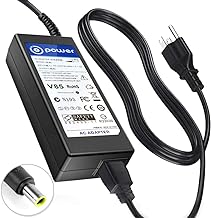
The unit ships with its own charger, but if you need a backup or replacement, adapters like the HKY 16V 120W supply or dedicated 16V Goal Zero replacement cords are compatible with this generation’s charging port and are worth keeping as a spare for long trips.
How loud is the fan in practice?
At light loads (under 200W) it’s essentially silent. Push it past 800-1,000W, such as running a space heater or induction burner, and the fan becomes audible, comparable to a laptop under load.
Is solar charging fast enough to keep up with daily use?
With a couple of 100-200W panels in good sun, you can realistically replace 300-400Wh per hour, meaning a moderate day of use (fridge, lights, device charging) can be offset with 4-6 hours of decent sunlight.
Verdict
The Yeti 1500 (6th Gen) earns its price through the combination that actually matters in a van: fast recharging, a genuinely capable inverter, and a battery chemistry built to outlast the vehicle conversion itself. It’s not the lightest or cheapest option, and IPX4 means you still baby it around weather, but for anyone running a real electrical setup rather than just topping off a phone, this is one of the more dependable mid-to-large power stations on the market in 2026.