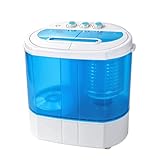
- Top Pick: JUJOJB Portable Washing Machine, Folding 20L Mini Washer and Spin-Dryer
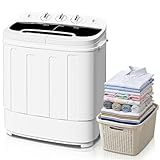
- Best Value: SUPER DEAL Small Portable Washing Machine 9.9lb Mini Compact Washer Twin Tub Laundry Machine Top Load Spinning and Washing Combo 6.57 FT Inlet Gravity Drain Hose
- Premium Choice: Pataku Portable Washing Machine(Upward Drainage), 17.6 Lbs Compact Mini Washer and Dryer Combo,Twin Tub Laundry Washer with Spin Cycle, Soaking Function Ideal for Apartment, Dorms, RVs Camping, Grey
Last updated: October 9, 2026
Doing laundry on the road is one of the most underrated challenges of van life. Laundromats eat up time and cash, and public machines are hit-or-miss when you’re parked somewhere remote for days. A portable washing machine solves this by letting you wash clothes with a few gallons of water and a standard 12V or wall outlet, right at your campsite or driveway.
In 2026, compact twin-tub and top-load portable washers have gotten smaller, lighter, and more efficient without sacrificing wash quality. This guide walks through what actually matters when shopping for one, so you can pick a machine that fits your rig, your water setup, and your laundry habits.
As an Amazon Associate we earn from qualifying purchases at no extra cost to you.




⚡ Save on Your Next PC — Amazon Prime
Prime members get fast free shipping on the systems above, plus early access to Prime Day & Black Friday PC deals. New members get a 30-day free trial.
- Watch: Buying Guide: Compact Portable Washing Machines for Travelers — Video Review
- Capacity: Match the Machine to Your Water and Space Budget
- Twin Tub vs. Top Load Automatic
- Power Draw and Hookup
- Drainage and Setup in Tight Spaces
- Portability and Storage
- Tips for Washing Laundry on the Road
- Frequently Asked Questions
- Conclusion
- Related Articles
- Related Guides
Watch: Buying Guide: Compact Portable Washing Machines for Travelers — Video Review
Capacity: Match the Machine to Your Water and Space Budget
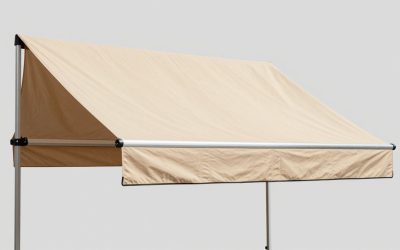
See also: Best Van Awning for Campers: Rack-Mount, Portable and Freestanding Options Sorted • In-Depth Review: Goal Zero Yeti 1500X Portable Power Station
Portable washers for vans typically range from 10 to 28 lbs of wash capacity. Bigger isn’t always better on the road, since every wash cycle uses stored water and every pound of machine takes up cabinet space.
- Solo travelers or couples: 10-17 lbs is plenty, similar to the Pataku 17.6 Lbs Portable Washing Machine.
- Families or frequent laundry days: look at 20-28 lb twin tubs like the Auertech 28lbs Twin Tub or the Giantex 20lbs Portable Washer.
- Estimate water use: most twin tubs need 3-5 gallons per wash load and a similar amount to rinse.
- Check your fresh water tank size before buying a large-capacity unit; a 20 gallon tank won’t support many 28 lb loads between fill-ups.
Twin Tub vs. Top Load Automatic
Twin tub machines split washing and spin-drying into two separate drums you manage manually, while top load automatic units run a full wash-rinse-spin cycle with a digital panel, closer to a home machine.
- Twin tubs (SUPER DEAL 9.9lb, Auertech, Giantex) give you more control over water use and cycle length, which matters when conserving tank water.
- Top load automatics, like the Portable Top Load Washing Machine with Digital Control Panel, are easier to operate but use a fixed water volume per cycle.
- Twin tubs generally cost less per pound of capacity and are simpler to repair on the road.
- Automatics save labor since you’re not transferring clothes between tubs by hand.
Power Draw and Hookup
Most portable washers run on standard 120V AC, which means you’ll need an inverter sized to handle the motor’s startup surge, not just its running wattage.
- Small twin tubs like the JUJOJB 20L Folding Washer typically draw 200-300W running, with a brief surge closer to 400-500W.
- Larger units with spin-dry motors can surge past 600W momentarily; size your inverter with headroom rather than cutting it close.
- Check whether the spin cycle and wash cycle run simultaneously or in sequence; simultaneous draw needs a beefier inverter.
- If you rely on solar, plan wash days around sunny afternoons when your battery bank is topped off.
Drainage and Setup in Tight Spaces
How a machine drains matters as much as how it fills. In a van, you often can’t just point a hose at a floor drain.
- Gravity drain hoses, like the 6.57 ft hose on the SUPER DEAL model, work fine if you can position the machine above a bucket or gray tank inlet.
- Upward drainage designs, such as the Pataku Portable Washing Machine, use an internal pump so you can drain into a sink or elevated tank without gravity assistance, useful when your gray tank inlet sits higher than the machine.
- Models with a built-in drain pump (Auertech) save you from lifting a full tub of water to empty it.
- Always drain into your gray water system or a dedicated bucket, never onto open ground, since detergent runoff isn’t legal or eco-friendly in most areas.
Portability and Storage
A “portable” washer still needs a home when it’s not running. Foldable and stackable designs matter more than raw size specs.
- Foldable units like the JUJOJB collapse for storage, a real advantage in a van with limited cabinet depth.
- Twin tub designs are typically wider than tall, which can be awkward under a bench seat; measure your intended storage spot before ordering.
- Weight matters if you’re moving the machine in and out for each use; 20 lb+ empty machines get tiring to shuffle around daily.
- Look for built-in handles or a low center of gravity so it doesn’t tip during transit.
Tips for Washing Laundry on the Road
- Pre-soak heavily soiled clothes for 10-15 minutes before running the wash cycle to cut down on total water changes.
- Use a low-sudsing, biodegradable detergent, since excess foam is harder to manage with limited rinse water.
- Run wash cycles during daylight if you’re on solar, and pair heavy loads with a shore power or generator hookup when possible.
- Hang-dry when you can. Spin cycles remove most moisture, and a compact drying rack or line cuts your total power use to near zero.
Frequently Asked Questions
How much water does a portable washer actually use per load?
Most compact twin tubs use 3-5 gallons for washing and another 3-5 for rinsing, depending on capacity. Smaller 10-17 lb machines sit at the low end of that range, while 20-28 lb units use more.
Can I run a portable washing machine off battery power alone?
Yes, if your inverter and battery bank are sized correctly. A single wash-and-spin cycle on a small machine typically draws under 0.3 kWh, which a 100Ah lithium battery can handle several times over, but check your inverter’s surge rating first.
Do these machines need a permanent water hookup?
No. Nearly all portable van washers are designed to be filled manually with a bucket or hose and drained the same way, which is exactly what makes them viable for boondocking away from RV parks.
How long does a full wash cycle take?
Twin tub machines usually run 10-15 minutes for washing and 3-5 minutes for spinning, done in two manual stages. Automatic top load units run a combined cycle typically lasting 20-30 minutes.
Conclusion
The right portable washer comes down to matching capacity and water use to your tank size, choosing a drainage style that fits your van’s layout, and making sure your power system can handle the load. Whether you land on a compact twin tub or a digital top-load automatic, testing it on a short trip before committing to it as your full-time laundry solution will save you headaches down the road.