- Top Pick: OGO Origin Composting Toilet – 12V Electric Agitator, Urine Diverting RV Toilet for Van Life, Tiny Home & Boat – 15" Compact, Odorless Off-Grid Toilet, No Black Tank
- Best Value: TROBOLO WandaGO Composting Toilet, Portable Outdoor Camping Toilet, Urine Diverting Dry Toilet With Height Adjustment
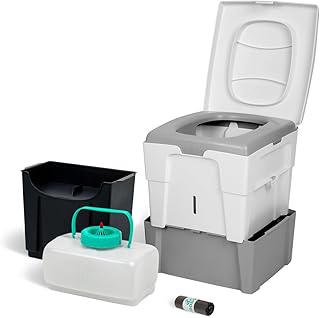
- Premium Choice: NOMAD by OGO Portable Compost Toilet – Camping Toilet for Truck Campers, Hunting Blinds, Car Camping, Primitive Camping & Boating, No-Electric, Waterless, Odor-Free Fits 8 Gallon Bags
Last updated: September 9, 2026
Ask any experienced van dweller about black tanks and you’ll get a story about a dump station that was closed, a valve that froze, or a smell that lingered for days. Composting toilets sidestep all of that by separating liquids from solids and relying on airflow instead of chemicals and water to manage waste. For 2026, the technology has matured to the point where it’s a genuinely practical default choice, not just a niche experiment for hardcore off-gridders.
That said, they’re not a universal upgrade. The right unit depends on how many people are using your rig, how much floor space you have, and whether you’re willing to run a fan off your electrical system. This guide breaks down what composting toilets actually do well, where they fall short, and how to pick between the major players on the market right now.
As an Amazon Associate we earn from qualifying purchases at no extra cost to you.



⚡ Save on Your Next PC — Amazon Prime
Prime members get fast free shipping on the systems above, plus early access to Prime Day & Black Friday PC deals. New members get a 30-day free trial.
- Watch: Are Composting Toilets Worth It for Van Life? A Buyer’s Guide — Video Review
- How Composting Toilets Actually Work
- Electric vs. Non-Electric Models
- Matching the Toilet to Your Rig
- Capacity, Emptying, and Real-World Maintenance
- Cost Over Time
- Tips
- Frequently Asked Questions
- Conclusion
- Related Articles
- Related Guides
Watch: Are Composting Toilets Worth It for Van Life? A Buyer’s Guide — Video Review
How Composting Toilets Actually Work
See also: Best Van Awning for Campers: Rack-Mount, Portable and Freestanding Options Sorted • In-Depth Review: Goal Zero Yeti 1500X Portable Power Station
Every composting toilet on the market today uses the same basic principle: urine and solid waste are kept apart from the moment they enter the bowl. A diverter routes liquids into a separate bottle or tank, while solids drop into a bin containing a dry medium like coconut coir or peat moss. An agitator, crank, or electric mixer breaks up clumps and speeds aerobic decomposition, and a small fan vents moisture and odor outside the van.
- Urine diversion is the key to odor control, not the composting medium itself.
- Solid bins typically hold 40-60 uses before needing to be emptied, roughly 3-6 weeks for one person.
- Liquid tanks need dumping far more often, usually every 1-3 days depending on tank size and usage.
- A 12V fan (drawing under 1 amp) runs continuously to keep the solids bin dry and odorless.
Electric vs. Non-Electric Models
The biggest fork in the road is whether you want an electric agitator or a manual crank. The OGO Origin uses a 12V electric agitator to mix solids automatically, which is convenient but draws power and adds a motor that can eventually need service. The NOMAD by OGO and the TROBOLO WandaGO go the other direction with no electrical components at all, relying on a hand crank or simple stirring, which makes them better suited to smaller rigs, truck campers, or backup boats where you don’t want another 12V draw.
- Electric agitators mix more thoroughly with less effort, useful for full-time living.
- Non-electric units like the NOMAD are lighter, cheaper, and easier to install in tight spaces.
- Fan power draw is nearly identical across both types, so “non-electric” still usually means “no agitator,” not zero power use.
Matching the Toilet to Your Rig
Size and layout matter more than most buyers expect. A 15-inch compact footprint like the OGO Origin fits into a shower stall or narrow bathroom nook that a full-size unit never would. Nature’s Head addresses the same problem with its Close Quarters Spider Handle design, which shortens the handle throw so the crank doesn’t hit a wall in tight builds. If you’re outfitting a full van build from scratch, the Nature’s Head Vehicle Kit bundles the toilet with the vents, hardware, and mounting components you’d otherwise source separately.
- Measure clearance for the agitator handle or crank before buying, not just the footprint of the base.
- Height-adjustable models, like the TROBOLO WandaGO, help when a bathroom nook is shorter than a standard household toilet.
- Kits save time on a first build but cost more than buying components piecemeal.
Capacity, Emptying, and Real-World Maintenance
Solid bin capacity is usually quoted in uses, but real-world emptying frequency depends on how many people are aboard. A couple living full-time will empty a Nature’s Head or OGO Origin every 3-4 weeks; solo travelers can stretch closer to 6. Units designed around compostable bags, like the NOMAD’s 8-gallon bag system, trade some capacity for a faster, less messy dump since you’re tying off a bag instead of scooping a bin. Models with a heating plate and exhaust fan, like the electric mixing unit built for tiny houses, speed up drying in humid climates where the medium can stay damp longer.
- Bag-based systems (NOMAD) are faster to empty but need a steady supply of compatible bags.
- Bin-based systems (OGO Origin, Nature’s Head) cost less per use but require more hands-on scooping.
- Heating plates help in humid or cold climates but add another component that draws power.
Cost Over Time
Upfront prices for composting toilets run higher than a basic RV toilet, but the savings show up over the following seasons. There’s no black tank chemical to buy, no dump station fees, and no risk of a frozen tank valve in winter. The main recurring cost is the composting medium, roughly $10-15 for a bag of coir that lasts several bin cycles, plus compostable bags if you’re running a bag-based system like the NOMAD.
- Expect to spend $850-1,600 upfront depending on brand and kit inclusions.
- Annual medium and bag costs typically land under $150 for a full-time single traveler.
- Resale value holds up well since these units have no tanks to crack or valves to fail.
Tips
- Empty the liquids container daily during heavy use to prevent overflow and odor buildup.
- Run the vent fan on a separate switch so it keeps working even when the rest of your electrical system is off.
- Keep a spare seal or gasket kit on hand, since these are the parts most likely to wear out after a year of daily use.
- Start with a fresh, dry layer of coir or peat after every full bin emptying rather than topping off old medium.
Frequently Asked Questions
Do composting toilets actually smell?
Not when urine diversion and the fan are working correctly. Odor almost always traces back to a full liquids container or a clogged vent hose, not the composting process itself.
Can two people share one composting toilet full-time?
Yes, but plan on emptying the solids bin roughly twice as often as a solo traveler, and consider a model with a larger bin like the Nature’s Head if you’re both aboard most of the year.
Are composting toilets legal to use while driving or parked in cities?
Generally yes, since there’s no gray or black water discharge involved, but always check local ordinances on where compost material can be disposed of once it’s fully broken down.
Do I need an electrician to install one?
Most owners install these themselves. The 12V fan and any electric agitator wiring are straightforward enough for basic DIY skills, though a helper makes the venting hookup easier.
Conclusion
Composting toilets are worth it for the vast majority of van lifers in 2026, especially anyone tired of tank sensors, dump stations, and winter freeze-ups. Compact electric units like the OGO Origin suit small, well-powered builds, non-electric options like the NOMAD and TROBOLO WandaGO fit tighter budgets and rigs, and the Nature’s Head lineup remains the benchmark for full-time durability. Match the unit to your space and power setup, and it’ll likely outlast several seasons of black tank headaches.