Last updated: October 9, 2026
🛒 Best Price Today on Amazon
Prime members get fast, free shipping on everything above, plus member-only deals. New members get a 30-day free trial — cancel anytime.
Introduction
One of the most persistent myths about van life is that it's automatically cheap. The reality is that van life can be extremely economical or surprisingly expensive depending on your habits and preparation. Tracking your expenses with the right tools and understanding the major cost categories before you hit the road makes all the difference between financial freedom and financial stress. The van lifers who thrive financially aren't necessarily the ones who earn the most — they're the ones who know exactly where their money goes and plan for the irregular, lumpy expenses that catch newcomers off guard. This guide breaks down the real cost categories, the best tools for tracking them, and how to build a budget that keeps you on the road for the long haul.
As an Amazon Associate we earn from qualifying purchases at no extra cost to you.



What to Look For in a Van Life Budgeting Approach
See also: Best Ways to Keep a Van Tidy on the Road • Best Cyber Monday Cologne Deals
- Expense tracking categories: Van life expenses break down into fuel, food, campsite fees, vehicle maintenance, insurance, phone/data, and entertainment. A good budgeting tool pre-categorizes these and shows you spending trends over time, so you can see at a glance whether fuel or dining out is quietly eating your budget.
- Emergency fund planning: Vehicles break down, especially older conversion vans. Budget a minimum of $2,000-3,000 as a dedicated vehicle emergency fund before departure — transmission or engine work can easily hit that range, and a breakdown far from home is both stressful and expensive.
- Income tracking: If you're working remotely or running a business from the road, tracking income alongside expenses gives you real-time visibility into your financial health and helps you make routing decisions based on actual money data rather than guesswork.
- Consistency over precision: The best system is the one you'll actually use every day. A simple method you maintain beats a sophisticated one you abandon after a week.
Top Picks for Tracking Van Life Expenses
Quicken Deluxe Personal Finance Software
Quicken Deluxe is one of the most comprehensive personal finance platforms for tracking van life expenses. You connect your bank accounts and credit cards for automatic transaction import, then categorize spending by your custom van life budget lines. The mobile app lets you log cash expenses on the road, and the dashboard gives you a real-time picture of spending against your monthly budget targets. The annual subscription pays for itself in financial clarity within the first few months. For van lifers who want automation and detailed reporting, the automatic bank sync is the killer feature — it means your budget stays current without manual data entry, and the trend charts quickly reveal which categories are creeping upward before they become a problem.
Erin Condren Budget Planner Notebook
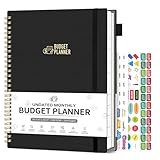
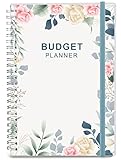
For van lifers who prefer analog tracking, the Erin Condren Budget Planner offers a beautifully organized paper system with monthly overview pages, weekly tracking grids, and bill due date trackers. Many full-time van lifers find that writing expenses by hand creates better mindfulness around spending. The notebook is compact enough to live in your van's document organizer and durable enough to handle the road. There's a real psychological benefit here: physically writing down each purchase forces you to confront your spending in a way that automatic app imports never quite do, which often leads to more disciplined habits. It also works with zero connectivity, so a dead phone or no signal never interrupts your tracking.
Dave Ramsey's Total Money Makeover Book
Before hitting the road, van lifers who want to build a rock-solid financial foundation consistently recommend Dave Ramsey's Total Money Makeover. The Baby Steps framework — emergency fund, debt payoff, savings — translates directly to van life financial planning. Understanding how to build and maintain a financial cushion before leaving traditional housing is the single most important financial decision a prospective van lifer can make. The book's emphasis on a fully funded emergency fund is especially relevant to van life, where an unexpected transmission failure or medical issue can derail your entire journey if you're not prepared with cash reserves.
Understanding the Real Cost Categories of Van Life
To budget accurately you need to know where the money actually goes. Fuel is often the largest and most variable expense — a heavy van getting 15-18 mpg adds up fast if you drive constantly, so slower travel with longer stays is the single biggest lever for cutting costs. Food is the most controllable category: cooking your own meals instead of eating out can save hundreds a month. Campsite fees range from free (public dispersed camping and boondocking) to $40+ a night at private campgrounds, so a mix-and-match approach keeps this line manageable. Then come the fixed and irregular costs — insurance, phone and data plans, health insurance, vehicle registration, and the maintenance that never stops on a working vehicle. Mapping all of these before departure prevents nasty surprises.
Planning for Irregular and Hidden Expenses
The expenses that wreck van life budgets are rarely the daily ones — they're the lumpy, occasional costs people forget to plan for. Annual insurance and registration, tire replacement, major repairs, dental and medical visits, gym memberships for showers, laundromats, and gear replacement all arrive irregularly and can each run into the hundreds. The fix is to convert them into a monthly "sinking fund": estimate your yearly total for each, divide by twelve, and set that amount aside every month so the money is already waiting when the bill lands. Van lifers who budget this way experience far less financial stress because a $1,200 repair becomes an expected withdrawal rather than a crisis.
Final Thoughts
The average full-time van lifer spends between $1,500 and $3,000 per month, with significant variation based on fuel costs, campsite preferences, and eating habits. Track every expense for your first three months on the road — the data will be eye-opening and will help you optimize your lifestyle for the long haul. Financial clarity is what makes van life sustainable. Build a real emergency fund before you leave, plan for the irregular costs with sinking funds, and use a tracking system you'll genuinely stick with, and you'll turn van life from a financial gamble into a lifestyle you can afford indefinitely.
Frequently Asked Questions
How much does van life actually cost per month?
Most full-time van lifers spend between $1,500 and $3,000 per month, though frugal travelers can go lower and those who eat out often or stay in paid campgrounds spend more. The biggest variables are fuel, food, and campsite fees. Your monthly cost depends far more on your habits — how much you drive, how often you cook, and where you sleep — than on any fixed baseline.
How big should my van life emergency fund be?
Aim for a minimum of $2,000-3,000 dedicated specifically to vehicle repairs, on top of a general emergency fund covering several months of living expenses. Major repairs like a transmission or engine rebuild can easily reach that range, and a breakdown far from home is expensive and stressful. Building this cushion before you leave is the single most important financial preparation for van life.
What is the biggest expense in van life?
Fuel is typically the largest and most variable cost, especially for heavy conversion vans that get 15-18 mpg and travelers who drive frequently. Slowing down and staying longer in each location is the most effective way to cut it. Food is the second-largest but most controllable category, since cooking your own meals instead of eating out saves hundreds of dollars every month.
Should I use an app or a paper planner to track expenses?
Both work — the best choice is whichever you'll consistently maintain. Apps and software like Quicken automate bank imports and generate spending trends with minimal effort, ideal if you want data and automation. A paper planner requires manual entry but builds spending mindfulness and works without any connectivity. Many van lifers use an app for automatic tracking and a notebook for cash purchases and reflection.
How do I budget for irregular van life expenses like repairs and insurance?
Use sinking funds. Estimate your annual total for each irregular cost — insurance, registration, tires, major maintenance, medical visits — divide by twelve, and set that amount aside every month. When the bill arrives, the money is already waiting, turning a stressful surprise into a planned withdrawal. This approach is what separates van lifers who stay on the road from those forced home by an unexpected expense.