Last updated: September 12, 2026
⚡ Key Takeaways
As an Amazon Associate we earn from qualifying purchases at no extra cost to you.






- spend somewhere between $1,200 and $2,500 per month once everything is counted.
- Fuel is the line item most within your control.
- Before you ever pay a monthly bill, there's the van itself and the build.
- Your budget isn't just about expenses; it's shaped by how you earn.
One of the most common questions from people dreaming about ditching rent is simple but surprisingly hard to answer: what is the real van life cost per month? You’ll see Instagram captions claiming “$800 a month!” right next to YouTubers admitting they spend $3,000. Both can be true, because van life cost depends heavily on your rig, your driving habits, your health insurance, and how much you eat out. This article breaks down a realistic monthly budget with line items and dollar ranges so you can build a number that fits your own life instead of someone else’s highlight reel.
Related: best portable water systems for van life.
🛒 Best Price Today on Amazon
Prime members get fast, free shipping on everything above, plus member-only deals. New members get a 30-day free trial — cancel anytime.
- The Big Picture: What a Monthly Van Life Budget Looks Like
- Breaking Down the Major Categories
- The Costs People Forget to Budget For
- One-Time Startup Costs (Not Monthly, But Real)
- How Income Style Changes Your Budget
- How to Lower Your Monthly Van Life Cost
- Top-Rated Picks
- Frequently Asked Questions
- The Bottom Line
- Related Articles
- Related Guides
The Big Picture: What a Monthly Van Life Budget Looks Like
Most full-time vanlifers in the U.S. spend somewhere between $1,200 and $2,500 per month once everything is counted. The very frugal can dip below $1,000 with a paid-off van, free camping, and home cooking. People with van payments, frequent campground stays, and gym memberships often land north of $2,500. The single biggest variable is whether your van is paid off, because a build or loan payment can swing the total by $500-$1,000.
Realistic Monthly Budget Breakdown
| Category | Frugal | Moderate | Comfortable |
|---|---|---|---|
| Fuel | $200 | $350 | $500 |
| Food & groceries | $300 | $450 | $650 |
| Insurance (van + health) | $150 | $350 | $550 |
| Phone & internet | $60 | $120 | $180 |
| Camping / parking | $0 | $150 | $400 |
| Maintenance & repairs | $100 | $150 | $250 |
| Showers, laundry, gym | $30 | $60 | $100 |
| Entertainment & misc | $50 | $150 | $300 |
| Monthly Total | ~$890 | ~$1,780 | ~$2,930 |
Note that this table assumes a paid-off van. Add a $300-$600 loan or build amortization on top if you financed your rig.
Breaking Down the Major Categories
See also: Granblue Fantasy GBF Tier List: Best Characters • Frostwyrm to Avalanchewyrm Guide: Frost Evolution Event
Fuel: Your Most Variable Cost
Fuel is the line item most within your control. A van that gets 18 mpg, driven 1,000 miles a month at $3.50/gallon, burns about $195. Drive 3,000 miles chasing destinations and you’re at $580. The single best way to cut costs is to slow down: pick a region and stay put for a week or two instead of constantly relocating. “Slow travel” can cut your fuel bill in half.
Food: Cook or Bleed Money
Groceries for one person cooking most meals run $250-$400 a month, similar to a house. The trap is eating out. A $15 lunch and a $4 coffee daily adds $570 a month fast. A good fridge and a two-burner stove pay for themselves quickly. If you’re still deciding on cold storage, our comparison of 12V portable fridges can help you keep groceries instead of restaurant tabs.
Insurance and Health Care
Van insurance runs $80-$200 a month depending on the vehicle, your driving record, and whether you have a converted RV title. Health insurance is the wild card: a healthy young person on a high-deductible ACA plan might pay $200-$400, while a family or older traveler can pay far more. Don’t skip this line. A single ER visit can erase a year of savings. Some vanlifers also add roadside assistance (around $10-$20 a month) and travel medical or telehealth memberships, which are cheap relative to the peace of mind they buy when you’re hundreds of miles from your usual doctor.
Phone, Internet, and Connectivity
Staying connected costs more on the road than in a house with fixed broadband. A basic plan is $50-$70, but if you work remotely you’ll likely want a hotspot, a signal booster, and a backup carrier on a different network, pushing this line to $120-$180 a month. Treat it as a business expense if your income depends on it, because a dead connection in a remote spot can cost you far more than the data plan.
Camping and Overnight Parking
This is where frugal and comfortable budgets diverge most. Free options abound, including BLM land, national forests, and the occasional Walmart or Cracker Barrel lot. Stick to free dispersed camping and this line is $0. Prefer campgrounds with showers and hookups at $25-$45 a night and you’ll spend $400+ monthly. Staying self-contained with a portable toilet lets you boondock for free longer, which is one of the biggest levers on your monthly total. Most vanlifers mix it up: mostly free, with the occasional paid night to recharge, do laundry, and dump tanks.
The Costs People Forget to Budget For
- Vehicle maintenance. Oil changes, tires, brakes, and the inevitable surprise repair. Set aside at least $100-$150 a month. Vans are work vehicles and parts aren’t cheap.
- Domicile and mail. Many full-timers establish residency in a state like South Dakota, Texas, or Florida and use a mail-forwarding service for $15-$30 a month.
- Annual costs spread out. Registration, taxes, and insurance renewals hit once a year. Divide them by 12 and bank the amount monthly.
- Gear replacement. Solar controllers fail, water pumps die, fans wear out. Budget a small sinking fund for replacements.
One-Time Startup Costs (Not Monthly, But Real)
Before you ever pay a monthly bill, there’s the van itself and the build. A used cargo van runs $15,000-$40,000. A DIY conversion can be done for $5,000-$15,000 in materials; a professional build can exceed $50,000. Add power gear like a portable power station if you want a plug-and-play setup instead of a hardwired electrical system. Budgeting the startup separately keeps it from distorting your monthly math.
How Income Style Changes Your Budget
Your budget isn’t just about expenses; it’s shaped by how you earn. Remote workers need to spend more on connectivity and power but can travel freely and earn steadily, which supports a higher comfortable budget. Seasonal workers often get free parking and hookups as a job perk, which can zero out their camping line for months at a time and dramatically lower their total. Those living off savings between adventures tend to run the frugal column hard to stretch their runway. Map your budget to your income reality, and revisit it every few months, because both your spending and your earning will shift as you settle into the rhythm of the road.
How to Lower Your Monthly Van Life Cost
- Pay off the van before you launch. Eliminating a payment is the fastest path to a sub-$1,500 budget.
- Master free camping. Apps like iOverlander and free.campsites point you to no-cost spots and slash your camping line to nearly zero.
- Drive less, stay longer. Fuel is your biggest controllable cost. Slow travel saves money and reduces wear.
- Cook your own meals. A solid kitchen setup with a fridge pays for itself in a month or two.
- Do preventive maintenance. Cheap oil changes prevent expensive engine repairs.
Top-Rated Picks




| Product | Brand | Rating | Reviews | Price |
|---|---|---|---|---|
| Anker Soundcore 2 Portable Bluetooth Speaker with Ste… | — | ★ 4.6 | 150.7k | $29.98 |
| Amazon Basics Bed Frame with Storage, Foldable Metal … | AmazonBasics | ★ 4.7 | 106.5k | $104.99 |
| GCI Outdoor Freestyle Rocker Camping Chair | Portable… | GCIOUTDOOR | ★ 4.8 | 45.9k | $80.00 |
| GCI Outdoor Freestyle Rocker Camping Chair | Portable… | GCIOUTDOOR | ★ 4.8 | 45.9k | $80.00 |
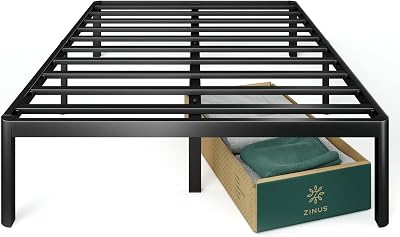
| ZINUS Van 16 Inch Metal Platform Bed Frame / Steel Sl… | — | ★ 4.5 | 70.6k | $87.44 |
Frequently Asked Questions
How much does van life cost per month on average?
Most full-time vanlifers in the U.S. spend between $1,200 and $2,500 per month with a paid-off van. The biggest variables are fuel, food, health insurance, and how often you pay for campgrounds. Frugal travelers with free camping and home cooking can get under $1,000.
Is van life actually cheaper than renting an apartment?
It can be, but not automatically. If your van is paid off and you camp for free and cook your own food, van life is usually much cheaper than rent in most U.S. cities. But fuel, repairs, health insurance, and a van loan can add up to apartment-level spending if you’re not careful.
What is the most expensive part of van life?
For people with a van loan or build loan, the vehicle payment is the biggest cost. For those with a paid-off rig, it’s usually a tie between fuel and food, followed by health insurance. Fuel is the most controllable, since driving less directly lowers it.
How much money should I save before starting van life?
Beyond the cost of the van and build, most experienced vanlifers recommend an emergency fund of at least $3,000-$5,000 to cover a major repair or a medical issue. A bigger cushion of 3-6 months of living expenses is smarter if you don’t have steady income on the road.
Can you do van life on $1,000 a month?
Yes, but it requires a paid-off van, mostly free camping, home-cooked meals, minimal driving, and a low-cost health insurance plan. It’s achievable for a frugal solo traveler but leaves little margin for repairs or emergencies, so a separate savings buffer is essential.
The Bottom Line
Van life cost per month is whatever you make it. A paid-off van, free camping, and home cooking can keep you near $1,000, while van payments, campgrounds, and restaurants can push you past $3,000. Build your budget line by line using the table above, be honest about insurance and maintenance, and keep an emergency fund separate. Do that, and van life can be genuinely affordable instead of a financial surprise.