Last updated: September 12, 2026
⚡ Key Takeaways
As an Amazon Associate we earn from qualifying purchases at no extra cost to you.




- R-value measures how well a material resists heat flow.
- Two people breathing, cooking, and sweating put off pints of water vapor every night.
- Because van walls are so thin, you'll never reach house-level R-values, and that's okay.
- How much insulation you need depends on where you'll travel.
Learning how to insulate a camper van properly is the difference between a rig you can live in year-round and a metal box that bakes you in summer and freezes you in winter. Insulation is the unglamorous step most beginners want to rush, but it’s the foundation of comfort, condensation control, and energy efficiency. Done right, good insulation keeps your heat in during cold nights, blocks summer heat from radiating through the roof, and dramatically reduces the moisture that causes mold. This step-by-step guide walks you through the entire process, from understanding R-values to sealing the final gaps.
Related: best portable water systems for van life.
🛒 Best Price Today on Amazon
Prime members get fast, free shipping on everything above, plus member-only deals. New members get a 30-day free trial — cancel anytime.
- Understanding R-Value and How Heat Moves
- Step-by-Step: How to Insulate Your Camper Van
- The Condensation Problem Nobody Warns You About
- How Much Does Insulation Really Help?
- Climate-Based Insulation Priorities
- Common Mistakes to Avoid
- Top-Rated Picks
- Frequently Asked Questions
- The Bottom Line
- Related Articles
- Related Guides
Understanding R-Value and How Heat Moves
R-value measures how well a material resists heat flow. Higher R-value means better insulation. But in a van, you’re fighting three kinds of heat transfer: conduction (heat through the metal walls), convection (air moving through gaps), and radiation (sun energy hitting the roof). No single material handles all three, which is why most good builds layer materials.
Because van walls are thin and curved, you can’t pack in the thick batts a house uses. The goal is to get the highest R-value you can into the limited cavity depth, usually 1-2 inches, while controlling moisture and stopping air leaks.
Common Van Insulation Materials Compared
| Material | R-value per inch | Best Use | Notes |
|---|---|---|---|
| Polyiso foam board | R-6 to R-6.5 | Walls, floor, ceiling flats | High R-value, rigid, easy to cut |
| XPS foam board | R-5 | Floor, flat panels | Moisture resistant, durable |
| Sheep’s wool | R-3.5 per inch | Cavities, irregular spaces | Natural, manages moisture well |
| Spray foam (closed cell) | R-6 to R-7 | Whole-van, hard-to-reach areas | Air-seals, but messy and pricey |
| Thinsulate (3M) | R-3.3 per inch | Walls, ceiling, cavities | Hydrophobic, easy to install |
| Reflectix | ~R-1 (radiant only) | Window covers, behind panels | Reflects radiant heat, not a bulk insulator |
Step-by-Step: How to Insulate Your Camper Van
See also: Granblue Fantasy GBF Tier List: Best Characters • Frostwyrm to Avalanchewyrm Guide: Frost Evolution Event
- Clean and prep the bare metal. Strip the van to bare walls. Vacuum, then wipe down the metal with a degreaser so adhesives and sound deadening stick properly.
- Treat rust and apply sound deadening. Address any rust spots first. Then apply sound-deadening mats (like butyl-based CLD tiles) to about 25-30% of large flat panels to kill road noise and vibration. You don’t need full coverage.
- Add a thermal/radiant break to large panels. A thin layer of closed-cell foam or radiant barrier on big metal surfaces reduces the thermal bridge before you fill the cavities.
- Fill the wall and ceiling cavities. Pack the ribs and voids with your chosen insulation. Wool and Thinsulate stuff easily into irregular spaces; foam board gets cut to fit and glued. Don’t leave air gaps, which become cold spots and condensation traps.
- Insulate the floor. Lay rigid foam board (XPS or polyiso) between wood furring strips, then a subfloor on top. Even a half-inch of foam makes a big comfort difference underfoot, and it’s the foundation your 12V fridge and other systems sit on, so build it solid.
- Cover windows with removable insulation. Windows are your biggest heat-loss points. Make reflective, foam-backed covers (Reflectix plus foam) for every window. These pull double duty for privacy and temperature control.
- Seal every gap and penetration. Use spray foam, caulk, or foil tape around wiring holes, fan cutouts, and seams. Air leaks defeat even the best insulation.
- Install a vapor strategy, then panel over. Depending on your material and climate, manage moisture (see below), then finish with wall paneling, ceiling boards, and trim.
The Condensation Problem Nobody Warns You About
Insulation alone isn’t enough. Two people breathing, cooking, and sweating put off pints of water vapor every night. When that warm, moist air hits cold metal, it condenses into water that drips behind your walls and breeds mold. Controlling this is as important as the insulation itself.
- Use a roof vent fan. Running a powered fan even on low pulls moist air out and is the single most effective condensation fix. Pair it with a cracked window for airflow.
- Choose moisture-tolerant materials. Sheep’s wool and Thinsulate handle moisture far better than fiberglass, which traps water and rots.
- Avoid trapping moisture against metal. In most builds, you want the insulation snug against the metal so there’s no air gap for condensation to form in. Closed-cell foam and spray foam excel here because they self-seal.
- Cook smart and crack a window. Boiling water and propane heaters add a lot of moisture. Ventilate while cooking.
How Much Does Insulation Really Help?
It’s worth understanding the realistic payoff so you insulate the right amount. Because van walls are so thin, you’ll never reach house-level R-values, and that’s okay. The goal isn’t perfection; it’s slowing heat transfer enough that your heating and cooling systems can keep up without running constantly. A well-insulated van with covered windows might hold overnight warmth several degrees longer than a bare one and stay noticeably cooler in midday sun. Combined with a roof fan and good window covers, modest insulation delivers most of the comfort benefit. Chasing the last bit of R-value with exotic materials usually isn’t worth the cost or weight, so focus your budget on covering the largest metal surfaces well, sealing air leaks, and insulating the windows and floor.
Climate-Based Insulation Priorities
How much insulation you need depends on where you’ll travel. If you chase warm weather year-round, prioritize the ceiling and a strong roof fan, since blocking summer heat and ventilating matter more than retaining warmth. If you’ll face real winters, maximize wall and floor R-value, insulate the window covers heavily, and pair the build with a good heat source. Our guide on portable air conditioners is worth a read if hot climates are your plan, since insulation and cooling work together.
Common Mistakes to Avoid
- Using fiberglass house batts. They sag, absorb moisture, and rot in the damp van environment.
- Relying on Reflectix as bulk insulation. It only reflects radiant heat and needs an air gap to work. It’s great for window covers, not as your only wall insulation.
- Skipping ventilation. No insulation strategy survives a sealed van full of moist air. A roof fan is non-negotiable.
- Leaving air gaps in cavities. Loose, gappy insulation creates cold bridges and condensation pockets.
- Forgetting the floor. Cold radiates up from the road. An uninsulated floor undermines everything above it.
Once your shell is insulated and sealed, you can plan your power and water systems with confidence. See our overview of portable power stations for running fans and heaters efficiently.
Top-Rated Picks




| Product | Brand | Rating | Reviews | Price |
|---|---|---|---|---|
| Anker Soundcore 2 Portable Bluetooth Speaker with Ste… | — | ★ 4.6 | 150.7k | $29.98 |
| Amazon Basics Bed Frame with Storage, Foldable Metal … | AmazonBasics | ★ 4.7 | 106.5k | $104.99 |
| GCI Outdoor Freestyle Rocker Camping Chair | Portable… | GCIOUTDOOR | ★ 4.8 | 45.9k | $80.00 |
| GCI Outdoor Freestyle Rocker Camping Chair | Portable… | GCIOUTDOOR | ★ 4.8 | 45.9k | $80.00 |
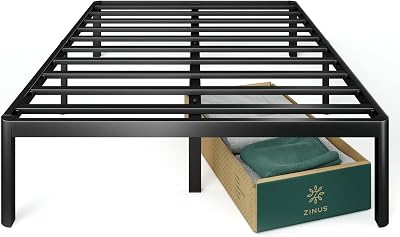
| ZINUS Van 16 Inch Metal Platform Bed Frame / Steel Sl… | — | ★ 4.5 | 70.6k | $87.44 |
Frequently Asked Questions
What is the best insulation for a camper van?
There’s no single best, but the most popular high-performing options are polyiso foam board (highest R-value per inch), sheep’s wool and 3M Thinsulate (great for moisture and irregular cavities), and closed-cell spray foam (best air sealing). Most quality builds layer foam board on flats with wool or Thinsulate in the cavities.
Do I really need to insulate my van if I only camp in summer?
Yes. In summer, insulation blocks the sun’s heat from radiating through your metal roof and walls, keeping the interior far cooler. A well-insulated van paired with a roof fan stays noticeably more comfortable than a bare metal box even without winter cold to worry about.
How do I stop condensation in my insulated van?
Run a roof vent fan to exhaust moist air, use moisture-tolerant insulation like wool or Thinsulate, eliminate air gaps against the metal, and crack a window while cooking. Condensation is caused by warm moist air hitting cold metal, so ventilation plus good material choice solves most of it.
How much does it cost to insulate a camper van?
A DIY insulation job typically costs $300-$1,500 in materials depending on the van size and materials chosen. Foam board and wool are mid-range; professional spray foam is the priciest at $1,000+ but air-seals everything in one step.
Should I use a vapor barrier in my van?
It depends on your material and climate, and it’s debated. Closed-cell foam acts as its own vapor barrier and is often preferred for vans. With wool or Thinsulate, many builders skip a plastic vapor barrier intentionally so any moisture can dry out rather than getting trapped. Ventilation matters more than a vapor barrier in most builds.
The Bottom Line
Insulating a camper van is a layered process: prep the bare metal, add sound deadening, fill cavities with the right R-value material, insulate the floor and windows, and seal every gap. Just as important, build in ventilation with a roof fan to control condensation. Match your material and effort to your climate, avoid moisture-trapping mistakes, and you’ll have a comfortable, dry, energy-efficient home that performs in both summer heat and winter cold.