Last updated: September 12, 2026
⚡ Key Takeaways
As an Amazon Associate we earn from qualifying purchases at no extra cost to you.




- A van heats up for three reasons: direct sunlight hitting the metal roof and walls, hot outside air, and heat radiating up from pavement.
- Where and how you park is the most powerful and cheapest cooling tool you have.
- Windows are the biggest heat leak in any van.
- A roof-mounted vent fan is the single best cooling upgrade for most vans—set to exhaust, it pulls hot air out the top while drawing cooler air in through a cracked window, creating constant airflow.
Learning how to stay cool in a van is the summer survival skill that makes or breaks the warm-weather season on the road. A metal box parked in direct sun can climb past 100°F inside within an hour, turning your cozy home into an oven. But with the right mix of insulation, ventilation, shade, and smart parking, you can stay genuinely comfortable even in desert heat. This guide walks through every proven method, from free habits to powered cooling, so you can chase good weather instead of fleeing it.
🛒 Best Price Today on Amazon
Prime members get fast, free shipping on everything above, plus member-only deals. New members get a 30-day free trial — cancel anytime.
- Why Vans Get So Hot
- Step 1: Park Smart (The Free Win)
- Step 2: Block the Sun with Window Coverings
- Step 3: Maximize Ventilation
- Step 4: Insulate to Hold the Cool
- Step 5: Powered Cooling for Extreme Heat
- Comparison Table: Van Cooling Methods
- Powering Your Cooling System
- Understanding Humidity: Why Climate Changes Everything
- Low-Tech Tricks That Actually Work
- Top-Rated Picks
- Frequently Asked Questions
- Conclusion
- Related Articles
- Related Guides
Why Vans Get So Hot
A van heats up for three reasons: direct sunlight hitting the metal roof and walls, hot outside air, and heat radiating up from pavement. Steel conducts heat readily, so an uninsulated van bakes fast. The good news is that the same physics that traps heat can be managed. Reflect the sun before it hits the metal, insulate to slow heat transfer, and move air to carry warmth out, and your interior can stay 15–25°F cooler than an unprepared van. Stacking several methods together is far more effective than relying on any single fix.
Step 1: Park Smart (The Free Win)
See also: Granblue Fantasy GBF Tier List: Best Characters • Frostwyrm to Avalanchewyrm Guide: Frost Evolution Event
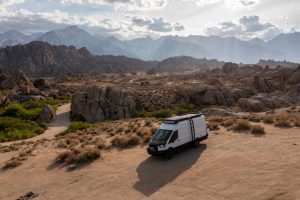
Where and how you park is the most powerful and cheapest cooling tool you have. Seek out shade from trees, buildings, or terrain, and orient the van so the smallest surface faces the afternoon sun. Higher elevations are dramatically cooler—every 1,000 feet of altitude drops the temperature by roughly 3–5°F, so a desert valley at 95°F can become a pleasant 75°F just by climbing into the mountains. Coastal areas and lakeshores stay cooler thanks to water and breezes. Chasing elevation and shade costs nothing and often does more than any gadget.
Step 2: Block the Sun with Window Coverings
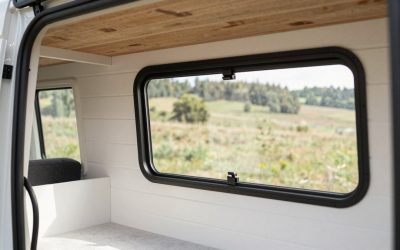
Windows are the biggest heat leak in any van. Reflective sunshades—the accordion-style ones made for windshields—cut radiant heat dramatically when placed in every window. Custom-fit Reflectix or insulated window covers work even better, sealing the glass and blocking both heat and prying eyes. An exterior windshield cover is especially effective because it stops the sun before it ever enters the cab. Cover your windows whenever you park in sun, and you’ll feel the difference immediately.
Step 3: Maximize Ventilation
Moving air is essential. A roof-mounted vent fan is the single best cooling upgrade for most vans—set to exhaust, it pulls hot air out the top while drawing cooler air in through a cracked window, creating constant airflow. Run it on a thermostat or low overnight and your van stays breathable. Add a small 12V fan aimed at your sleeping area for direct cooling. Cross-ventilation, with openings on opposite sides of the van, lets a breeze sweep straight through. Ventilation alone can keep a shaded van comfortable in mild to moderate heat.
Step 4: Insulate to Hold the Cool
Good insulation works both ways—it keeps winter warmth in and summer heat out. Walls, ceiling, and floor insulated with foam board, sheep’s wool, or Thinsulate slow the rate at which outside heat penetrates. A reflective layer near the roof bounces radiant heat away. Insulation won’t make a hot van cold on its own, but it dramatically extends how long your van stays cool after you’ve shaded and ventilated it, and it makes any powered cooling far more efficient.
Step 5: Powered Cooling for Extreme Heat
When passive methods aren’t enough—think Arizona in July—you’ll want active cooling. There are three tiers:
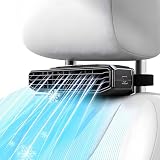
- 12V and USB fans ($15–$60): The lowest-power option, perfect for circulating air and sleeping comfortably in moderate heat.
- Evaporative (swamp) coolers ($60–$200): Effective in dry climates, they cool air by evaporating water. Useless in humidity but excellent in the desert.
- Portable air conditioners ($300–$1,000+): The only true solution for hot, humid conditions. They draw significant power but can drop a van’s interior into the 70s on the worst days.
Comparison Table: Van Cooling Methods
| Method | Cost | Cooling Power | Power Draw | Best For |
|---|---|---|---|---|
| Smart parking / elevation | Free | High | None | Everyone, everywhere |
| Reflective window covers | $20–$80 | Medium-High | None | Parked in sun |
| Roof vent fan | $150–$300 | Medium | Very low | Mild to moderate heat |
| 12V fans | $15–$60 | Low-Medium | Very low | Airflow, sleeping |
| Evaporative cooler | $60–$200 | Medium (dry only) | Low | Desert climates |
| Portable AC | $300–$1,000+ | High | High | Hot, humid conditions |
Powering Your Cooling System
Active cooling lives and dies by your electrical setup. Fans sip power and run for days on almost any battery, but an air conditioner is the most demanding appliance in a van. To run one off-grid even for a few hours, you’ll need a substantial battery bank and a high-output inverter—a robust portable power station paired with solar is the most accessible way to get there without a complex custom install. If you’re weighing whether to invest in active cooling at all, our breakdown of the best portable air conditioners compares real-world power draw and cooling output so you can match a unit to your battery capacity. Don’t forget that a cold drink and chilled food make heat far more bearable—a 12V portable fridge keeps everything cool on a fraction of the power an AC needs.
Understanding Humidity: Why Climate Changes Everything
Not all heat is created equal, and the difference dictates which cooling method works. In dry climates like the Southwest, evaporative coolers and even a damp cloth in front of a fan are genuinely effective because the air can absorb moisture and shed heat. In humid regions like the Southeast or Gulf Coast, those same tricks do almost nothing—the air is already saturated, so evaporation can’t help, and only a true air conditioner that removes moisture will cool you down. This is why a swamp cooler that’s magic in Arizona is useless in Florida. Know the humidity of where you’re headed and pack the right tool: passive methods and evaporative cooling for dry heat, AC for muggy heat.
Low-Tech Tricks That Actually Work
Beyond gear, simple habits keep you cooler. Cook outside or use a single-burner stove to avoid heating the interior. Hang a damp cloth or towel in front of a fan for a DIY cooling effect in dry air. Stay hydrated and wear light, loose clothing. Do errands and hikes in the cool morning hours, then nap or relax during the midday peak. And follow the weather—if a heat dome settles in, simply drive somewhere cooler. Mobility is your superpower.
Top-Rated Picks




| Product | Brand | Rating | Reviews | Price |
|---|---|---|---|---|
| Anker Soundcore 2 Portable Bluetooth Speaker with Ste… | — | ★ 4.6 | 150.7k | $29.98 |
| Amazon Basics Bed Frame with Storage, Foldable Metal … | AmazonBasics | ★ 4.7 | 106.5k | $104.99 |
| GCI Outdoor Freestyle Rocker Camping Chair | Portable… | GCIOUTDOOR | ★ 4.8 | 45.9k | $80.00 |
| GCI Outdoor Freestyle Rocker Camping Chair | Portable… | GCIOUTDOOR | ★ 4.8 | 45.9k | $80.00 |
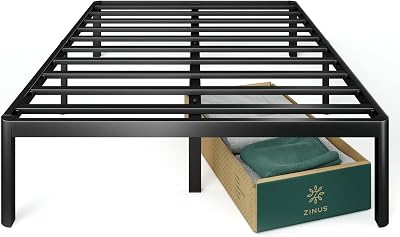
| ZINUS Van 16 Inch Metal Platform Bed Frame / Steel Sl… | — | ★ 4.5 | 70.6k | $87.44 |
Frequently Asked Questions
How do you sleep in a hot van?
Park in shade at the highest elevation you can reach, run a roof vent fan on exhaust overnight, crack windows on the breezy side for cross-ventilation, and aim a 12V fan at your bed. A cooling pad or breathable sheets help, and a damp cloth in front of the fan adds relief in dry climates.
Do I need air conditioning for van life?
Not necessarily. Most van lifers manage summer with shade, elevation, window covers, and fans alone. AC becomes worth it only if you regularly park in hot, humid places where elevation and breezes can’t save you, since it demands a large battery system to run off-grid.
How hot does a van get in the sun?
An uninsulated van in direct sun can exceed 100–120°F inside within an hour on a hot day. With reflective window covers, shade, and a running vent fan, you can keep the interior 15–25°F cooler than the unprepared baseline.
Does insulation keep a van cool in summer?
Yes. Insulation slows heat transfer in both directions, keeping the cool inside longer after you’ve shaded and ventilated. It won’t cool a hot van by itself, but it makes every other cooling method—especially fans and AC—far more effective.
What’s the cheapest way to cool a van?
Smart parking costs nothing and delivers the biggest gains: chase shade and elevation. Add $20–$40 of reflective window shades and a small 12V fan, and you can stay comfortable in moderate heat for under $60 total.
Conclusion
Staying cool in a van isn’t about one expensive gadget—it’s a layered strategy. Park in shade and climb in elevation first, cover your windows, ventilate aggressively with a roof fan, and insulate to hold the cool. Reserve powered air conditioning for the genuinely brutal days, and lean on your van’s greatest advantage: when the heat won’t quit, you can simply drive to somewhere better.
Related: July 2026 Road-Trip Essentials: Stay Cool and Powered Off-Grid