Last updated: September 12, 2026
⚡ Key Takeaways
As an Amazon Associate we earn from qualifying purchases at no extra cost to you.


- Before choosing a heater, understand that no heater can win against a poorly insulated van.
- The gold standard for serious winter van life.
- Warm, humid air from your breath, cooking, and any combustion heater hits the cold metal walls and condenses into water, which drips behind panels and breeds mold.
- Layering your warmth strategy saves fuel and keeps you cozy if the heater fails.
Cold nights are the ultimate test of a van build, and getting van life winter heating right is what lets you keep traveling when everyone else has parked the rig for the season. A van’s thin metal walls lose heat fast, condensation becomes a serious problem, and a poorly heated van can swing from freezing to stuffy in minutes. But with the right heater, solid insulation, and smart habits, you can stay warm and dry through snow and single-digit temperatures. This guide covers the main heating options, how to control condensation, and the cold-weather strategies that keep winter van life comfortable and safe.
🛒 Best Price Today on Amazon
Prime members get fast, free shipping on everything above, plus member-only deals. New members get a 30-day free trial — cancel anytime.
Heating Starts With Insulation
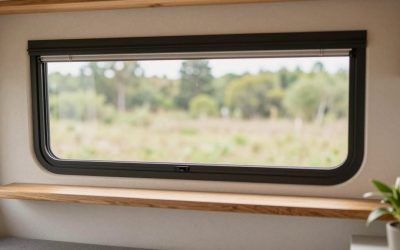
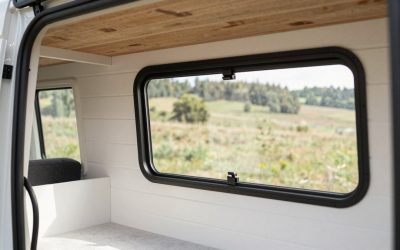
Before choosing a heater, understand that no heater can win against a poorly insulated van. Heat will pour out through bare metal, uncovered windows, and air leaks faster than any heater can replace it. The most important winter upgrades are thorough wall, ceiling, and floor insulation, plus thick, foam-backed window covers. Windows are the single biggest heat-loss point, so insulated covers for every window are essential. Get the envelope right and a small heater will keep you toasty; skip it and even a powerful heater struggles.
The Main Van Heating Options
See also: Granblue Fantasy GBF Tier List: Best Characters • Frostwyrm to Avalanchewyrm Guide: Frost Evolution Event
Diesel/Gasoline Air Heaters
The gold standard for serious winter van life. These compact heaters (Webasto, Espar, and budget Chinese clones) burn a small amount of fuel from your vehicle’s tank or a dedicated tank, drawing combustion air from outside and venting exhaust outside. That means they produce dry heat with no indoor moisture or fumes, and they sip fuel. They run on a thermostat all night while using minimal electricity. The downsides are installation complexity and upfront cost.
Propane Heaters
Portable propane heaters like the Mr. Buddy are cheap and effective for taking the chill off. The major caveat: most propane heaters release water vapor and carbon monoxide indoors, so they require ventilation and a carbon monoxide detector, and you should never run an unvented one while sleeping. Vented propane furnaces (like RV furnaces) avoid the moisture issue but cost more and take up space.
Electric Heaters
Electric space heaters are simple and produce dry heat with zero combustion risk, but they’re power-hungry. A 750-1,500 watt heater would drain even a large battery bank in an hour or two, so they’re only practical when plugged into shore power at a campground. They’re a poor choice for true off-grid winter camping.
Heating Options Compared
| Heater Type | Dry Heat? | Off-Grid? | Cost | Notes |
|---|---|---|---|---|
| Diesel air heater | Yes | Yes | $$-$$$ | Best for serious winter; vents outside |
| Portable propane (Buddy) | No | Yes | $ | Adds moisture; needs ventilation + CO alarm |
| Vented propane furnace | Yes | Yes | $$ | Dry heat, bulky, uses propane |
| Electric space heater | Yes | No | $ | Only practical on shore power |
The Condensation Battle
Winter’s hidden enemy is moisture. Warm, humid air from your breath, cooking, and any combustion heater hits the cold metal walls and condenses into water, which drips behind panels and breeds mold. Managing it is as critical as staying warm.
- Choose dry-heat sources. Diesel air heaters and vented furnaces add no indoor moisture, a huge advantage over unvented propane.
- Ventilate deliberately. Crack a roof vent or window slightly even when it’s cold. A little airflow carries moisture out and is worth the small heat loss.
- Run your roof fan on low. It continuously exhausts humid air.
- Cook smart. Boiling water dumps moisture into the air; ventilate while cooking and consider eating more no-cook meals in deep cold.
- Wipe down condensation. A quick morning wipe of windows and cold spots prevents buildup.
Staying Warm Beyond the Heater
Don’t rely on the heater alone. Layering your warmth strategy saves fuel and keeps you cozy if the heater fails.
- Use a sub-freezing rated sleeping bag or quilt. A good bag means you can turn the heater off overnight and stay warm, saving fuel and reducing condensation.
- Add a heated mattress pad or 12V blanket. Far more efficient than heating the whole air; warm the bed, not the cabin.
- Insulate the floor and use rugs. Cold radiates up from the road; a rug makes a surprising difference. Keeping an efficient 12V fridge also helps, since in deep cold your battery has less capacity to spare for both heating controls and refrigeration.
- Cover all windows at night. Foam-backed covers dramatically cut heat loss.
- Dress in layers and wear a hat to bed. Old advice, still true.
Cold-Weather Van Living Tips
- Watch your batteries. Lithium batteries shouldn’t be charged below freezing without a heated battery or low-temp protection. Plan for this in winter.
- Protect your water system. Pipes and tanks can freeze. Keep water in the heated cabin, add tank heaters, or drain lines in extreme cold.
- Carry a CO detector and crack ventilation. Non-negotiable with any combustion heater.
- Park in the sun. Solar gain through windows during the day is free heat, and it helps recharge batteries that produce less in winter.
- Keep fuel topped off. Diesel heaters and your engine both depend on it, and you don’t want to run low in a remote, frozen area.
Your power system works harder in winter since solar output drops and heaters need electricity to run. A capable portable power station or a robust battery bank with a DC-to-DC charger keeps your heater’s fan and controls running reliably. And keeping water from freezing is easier when you understand your water tank setup and where to position it inside the heated space.
Planning Around Winter Weather
Winter van life rewards good planning as much as good gear. Watch forecasts closely and avoid getting caught by a major storm in a remote, high-elevation spot where you could be snowed in or stranded on icy forest roads. Carry traction aids like chains or recovery boards, keep your fuel tank above half, and have extra food and water in case you’re stuck for a day or two. Many winter vanlifers also “chase the shoulder seasons,” staying at lower elevations or migrating south during the deepest cold, then venturing into snow country for shorter, deliberate trips rather than living in the freeze full-time. Knowing your van’s limits and your own keeps winter travel an adventure instead of an emergency.
Top-Rated Picks




| Product | Brand | Rating | Reviews | Price |
|---|---|---|---|---|
| Anker Soundcore 2 Portable Bluetooth Speaker with Ste… | — | ★ 4.6 | 150.7k | $29.98 |
| Amazon Basics Bed Frame with Storage, Foldable Metal … | AmazonBasics | ★ 4.7 | 106.5k | $104.99 |
| GCI Outdoor Freestyle Rocker Camping Chair | Portable… | GCIOUTDOOR | ★ 4.8 | 45.9k | $80.00 |
| GCI Outdoor Freestyle Rocker Camping Chair | Portable… | GCIOUTDOOR | ★ 4.8 | 45.9k | $80.00 |
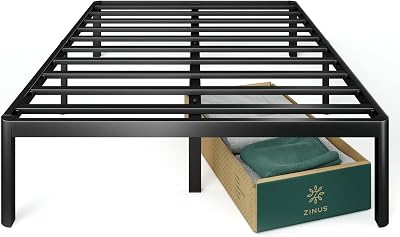
| ZINUS Van 16 Inch Metal Platform Bed Frame / Steel Sl… | — | ★ 4.5 | 70.6k | $87.44 |
Frequently Asked Questions
What is the best heater for van life in winter?
A diesel (or gasoline) air heater like a Webasto, Espar, or budget clone is widely considered the best for winter van life. It produces dry heat, vents combustion outside so there’s no indoor moisture or fumes, runs on a thermostat all night, and sips fuel. It’s the top choice for anyone serious about cold-weather travel.
How do I stop condensation in my van in winter?
Use a dry-heat source like a diesel air heater, ventilate deliberately by cracking a vent or window, run your roof fan on low, ventilate while cooking, and wipe down condensation each morning. Condensation forms when warm humid air meets cold metal, so reducing indoor moisture and adding airflow are the keys.
Can you use a propane Buddy heater in a van safely?
You can use one to take the chill off, but with caution. Most portable propane heaters release water vapor and carbon monoxide indoors, so you must ventilate and use a carbon monoxide detector. Never run an unvented propane heater while sleeping. For overnight heat, a vented diesel air heater is far safer.
How cold is too cold for van life?
With a diesel air heater, strong insulation, and a good sleeping bag, many people comfortably live in vans through sub-freezing and even single-digit temperatures. The bigger challenges below freezing are protecting your water system from freezing and keeping lithium batteries from charging while too cold, both of which require planning.
Will my van batteries work in freezing temperatures?
Lithium (LiFePO4) batteries can discharge in the cold but should not be charged below freezing without a heated battery or built-in low-temperature protection, or they can be damaged. Many winter vanlifers use self-heating lithium batteries or keep the bank in the heated cabin to avoid this issue.
The Bottom Line
Winter van heating is a system, not a single gadget. Start with strong insulation and window covers, then choose a dry-heat source, with a diesel air heater being the gold standard for off-grid winter travel. Battle condensation aggressively with ventilation and dry heat, layer your warmth with a good sleeping bag and heated bedding, and protect your batteries and water from freezing. Nail those pieces and you can keep chasing snowy mountains and quiet winter trailheads in genuine comfort.