Last updated: September 12, 2026
⚡ Key Takeaways
As an Amazon Associate we earn from qualifying purchases at no extra cost to you.


- Overnight parking generally falls into two buckets.
- The American West is full of free, legal camping on public land.
- When you're passing through a city or just need a quick, safe place to sleep, business lots fill the gap.
- Sleeping on a public street in a city is the trickiest option.
Once your van is built out and you hit the road, one question dominates every single evening: where to park a van overnight legally and safely. Unlike RV parks with reservations, van life runs on a patchwork of public land, business lots, and quiet streets, and the rules vary by city, county, and agency. Park in the wrong spot and you’ll get the dreaded midnight knock from a police officer or security guard. Park smart and you’ll sleep soundly for free in stunning places. This guide covers the legal options, how to read the rules, and the etiquette that keeps these spots open for everyone.
Related: best portable water systems for van life.
🛒 Best Price Today on Amazon
Prime members get fast, free shipping on everything above, plus member-only deals. New members get a 30-day free trial — cancel anytime.
- The Two Big Categories: Public Land and Private Lots
- Free Public Land: Your Best Friend
- Urban and Business Overnight Parking
- Stealth Street Parking in Cities
- How to Read the Rules and Stay Legal
- Staying Safe Wherever You Park
- Etiquette That Keeps Spots Open
- Top-Rated Picks
- Frequently Asked Questions
- The Bottom Line
- Related Articles
The Two Big Categories: Public Land and Private Lots
Overnight parking generally falls into two buckets. Public land, like BLM and national forests, is owned by all of us and often allows free dispersed camping. Private lots, like Walmart or truck stops, are owned by businesses that may permit overnight parking at their discretion. Knowing which category you’re in tells you what rules apply and who to ask.
Common Overnight Parking Options Compared
| Location Type | Cost | Typical Limit | Vibe |
|---|---|---|---|
| BLM dispersed land | Free | 14 days/area | Remote, scenic, no services |
| National forest dispersed | Free | 14-16 days | Forested, quiet, no hookups |
| Walmart / Cabela’s lot | Free | 1 night | Urban, lit, convenient |
| Truck stops (Pilot, Love’s) | Free | 1 night | Loud, 24-hr, fuel & showers |
| Cracker Barrel / Casinos | Free | 1 night | Lit, often RV-friendly |
| Rest areas | Free | Varies by state | Highway-side, short stays |
| Paid campgrounds | $15-$45 | Multi-night | Hookups, showers, dump |
Free Public Land: Your Best Friend
See also: Granblue Fantasy GBF Tier List: Best Characters • Frostwyrm to Avalanchewyrm Guide: Frost Evolution Event
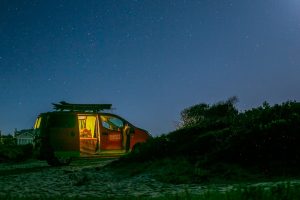
The American West is full of free, legal camping on public land. The two main agencies are the Bureau of Land Management (BLM) and the U.S. Forest Service. Both allow “dispersed camping” on most of their land, meaning you can pull off a forest road and camp for free, typically for up to 14 days in one area before you must move on.
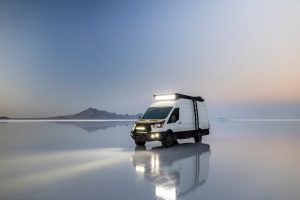
- BLM land is concentrated in western states like Arizona, Utah, Nevada, New Mexico, Colorado, and California. It’s often wide-open desert or high plains with incredible stargazing.
- National forests cover huge swaths of the country and offer shadier, cooler dispersed sites along forest service roads.
- Look for existing sites. Camp on durable surfaces in spots that have clearly been used before. Don’t create new clearings.
- Check fire restrictions. During dry seasons, campfires (and sometimes generators) are banned. Always verify current rules.
Apps like iOverlander, Campendium, and FreeRoam map thousands of these free sites with reviews, cell signal notes, and access info. They’re essential tools for finding where to park your van overnight.
Urban and Business Overnight Parking
When you’re passing through a city or just need a quick, safe place to sleep, business lots fill the gap. Many businesses tolerate or welcome overnight stays, but always with permission and good manners.
- Walmart historically allows overnight RV and van parking, but it’s store-by-store now. Call ahead and ask the manager. Many city locations have banned it due to local ordinances.
- Truck stops (Pilot, Flying J, Love’s, TA) are open 24/7 and used to overnighters. Park away from the truck-only lanes, which truckers need.
- Cracker Barrel, casinos, and some Cabela’s/Bass Pro stores are known for being RV- and van-friendly.
- Rest areas on interstates allow short overnight stops in many states, though some limit it to a few hours. Check posted signs.
Stealth Street Parking in Cities
Sleeping on a public street in a city is the trickiest option. Many municipalities have ordinances against “vehicle habitation” or oversized-vehicle overnight parking, and enforcement varies wildly. If you must park on a street:
- Arrive late and leave early. The fewer hours you’re parked, the lower your profile.
- Look the part of a work van. A plain, cargo-style van with no curtains in the front blends in. Avoid obvious “camper” signals.
- Stay quiet and dark. No lights spilling out, no music, no setting up chairs outside.
- Park in mixed commercial/residential areas. Industrial zones are often legal but feel sketchy; quiet residential streets draw neighbor complaints.
- Read every sign. Street cleaning, permit zones, and time limits will get you ticketed or towed.
How to Read the Rules and Stay Legal
The golden rule: when in doubt, ask. A two-minute call to a store manager, ranger district, or non-emergency police line removes all ambiguity. For public land, check the managing agency’s website or a posted kiosk for stay limits and fire rules. For cities, search “[city name] overnight parking ordinance.” A little research prevents a stressful midnight relocation.
Pay close attention to signage on the ground, which always overrides what an app told you. “No Overnight Parking,” “Tow-Away Zone,” “Permit Parking Only,” and posted time limits are enforced, and a single missed sign can mean a ticket or a tow. On public land, look for boundary signs distinguishing dispersed-camping-allowed areas from day-use-only zones, wilderness areas (where motor vehicles are banned), and private inholdings. When a spot feels ambiguous, it’s almost always faster and cheaper to move on to a clearly legal site than to gamble on a gray area.
Staying Safe Wherever You Park
Legal and safe aren’t the same thing, so trust your gut. If a spot feels wrong when you pull in, leave; there’s always another. A few habits keep you secure: arrive with enough daylight to scope the area, back into spots so you can drive away quickly, keep your doors locked and keys within reach, and avoid spots near bars, busy intersections, or isolated dead ends. A window-covering setup that gives you full privacy also signals to passersby that the van is “closed for the night,” reducing unwanted attention. Staying fully self-contained with a portable power station also means you won’t need to run a noisy generator or seek out hookups, helping you blend in quietly wherever you park.
Etiquette That Keeps Spots Open
Every spot that gets shut down was usually ruined by a few inconsiderate people. Protect access for the whole community:
- Leave no trace. Pack out all trash, never dump gray or black water, and leave the site cleaner than you found it. A solid portable toilet setup keeps you self-contained and respectful of the land.
- Don’t overstay. Respect the one-night limit at businesses and the 14-day limit on public land.
- Keep it low-key. No awnings, chairs, or grills in a Walmart lot. Save the camp setup for actual campsites.
- Spend a little money. Buy gas or groceries at the business hosting you. It’s good karma and good business.
Staying self-contained also means managing water wisely. Our guide to water tanks helps you carry enough to camp remotely for days without resupplying.
Top-Rated Picks



| Product | Brand | Rating | Reviews | Price |
|---|---|---|---|---|
| Anker Soundcore 2 Portable Bluetooth Speaker with Ste… | — | ★ 4.6 | 150.7k | $29.98 |
| Amazon Basics Bed Frame with Storage, Foldable Metal … | AmazonBasics | ★ 4.7 | 106.5k | $104.99 |
| GCI Outdoor Freestyle Rocker Camping Chair | Portable… | GCIOUTDOOR | ★ 4.8 | 45.9k | $80.00 |
| GCI Outdoor Freestyle Rocker Camping Chair | Portable… | GCIOUTDOOR | ★ 4.8 | 45.9k | $80.00 |
| ZINUS Van 16 Inch Metal Platform Bed Frame / Steel Sl… | — | ★ 4.5 | 70.6k | $87.44 |
Frequently Asked Questions
Where can you legally park a van overnight for free?
The best free legal options are BLM land and national forests (dispersed camping, usually up to 14 days), plus business lots like Walmart, Cracker Barrel, truck stops, and casinos that permit overnight stays. Always confirm local rules, since both public-land limits and store policies vary by location.
Is it illegal to sleep in your van?
It’s not federally illegal, but many cities have ordinances banning “vehicle habitation” or overnight street parking. On public land and in business lots that allow it, sleeping in your van is perfectly legal. The legality depends entirely on where you park, so check local rules.
Can you still park overnight at Walmart?
Sometimes. Many Walmart locations still allow free overnight RV and van parking, but it’s now decided store by store, and some city locations have banned it due to local ordinances. Always call the specific store and ask the manager before relying on it.
How long can you camp on BLM land?
Most BLM land allows dispersed camping for up to 14 days within a 28-day period in a given area. After that, you’re required to move at least a set distance (often 25 miles) to a new area. Always check the specific field office’s rules, as some popular areas have shorter limits.
What apps help find legal van parking?
iOverlander, Campendium, FreeRoam, and The Dyrt are the most popular. They map free dispersed sites, paid campgrounds, and overnight-friendly lots, with user reviews covering cell signal, noise, safety, and access conditions.
The Bottom Line
Knowing where to park your van overnight is a skill you’ll sharpen fast. Lean on free public land like BLM and national forests for scenic, legal stays, use business lots and truck stops for convenient overnights, and treat stealth street parking as a last resort with arrive-late-leave-early discipline. Always check local rules, stay self-contained, and follow good etiquette so these spots stay open for the next traveler.