Last updated: September 12, 2026
⚡ Key Takeaways
As an Amazon Associate we earn from qualifying purchases at no extra cost to you.





Get instant results in seconds — no signup.
- Understanding how these fit together lets you design a system that matches your real energy use.
- The key is to know your daily energy budget in watt-hours.
- Water systems range from a single jug to a pressurized setup rivaling a small RV.
- Refilling is easier than beginners fear.
Mastering van life water and power is what separates a weekend camper from someone who can disappear into the backcountry for a week without missing a beat. These two systems are the lifeblood of off-grid living: power runs your fridge, fans, lights, and laptop, while water keeps you hydrated, fed, and clean. The challenge is that both are finite resources you carry with you, so the goal is to generate, store, and conserve them efficiently. This guide explains how to build reliable water and power systems for your van and how to make them last between resupply stops.
Related: best portable water systems for van life.
🛒 Best Price Today on Amazon
Prime members get fast, free shipping on everything above, plus member-only deals. New members get a 30-day free trial — cancel anytime.
- Building Your Off-Grid Power System
- Sizing Power to Your Needs
- Building Your Off-Grid Water System
- Where to Find Water and Dump Gray Water
- Conservation: Making Resources Last
- Common Off-Grid System Mistakes
- Backup and Redundancy
- Top-Rated Picks
- Frequently Asked Questions
- The Bottom Line
- Related Articles
- Related Guides
Building Your Off-Grid Power System
Van electrical systems have four core parts: a way to generate power (solar, alternator, shore power), a battery to store it, a charge controller to manage the flow, and an inverter to run household AC devices. Understanding how these fit together lets you design a system that matches your real energy use.
The Four Power Components
- Battery bank. This stores your energy. Lithium (LiFePO4) is the modern standard because it’s light, lasts thousands of cycles, and can be discharged nearly fully. A 100-200Ah lithium bank covers most full-timers.
- Solar panels. Your primary off-grid charging source. Most full-time setups run 300-450 watts on the roof, enough to refill the bank on a sunny day.
- Charge controller. An MPPT controller maximizes how much of your panels’ output reaches the battery, 15-30% more efficient than cheaper PWM units.
- DC-to-DC charger. This charges your house battery from the van’s alternator while you drive, a crucial backup for cloudy stretches.
Plug-and-Play vs. Hardwired
Beginners often start with an all-in-one portable power station, which bundles a battery, inverter, and controller into one box you can charge from solar, your vehicle, or a wall outlet. It requires no wiring and can be moved between vehicles. Hardwired systems cost more effort but scale to higher capacity and integrate cleanly into the build. Many full-timers run a hardwired system; many part-timers happily run a power station for years.
Sizing Power to Your Needs
See also: Granblue Fantasy GBF Tier List: Best Characters • Frostwyrm to Avalanchewyrm Guide: Frost Evolution Event
The key is to know your daily energy budget in watt-hours. Add up each device’s wattage times its daily hours of use. A typical full-time setup without air conditioning uses 700-1,100 Wh per day, dominated by the fridge. Once you know that number, size your battery to store one to two days of it, and size your solar to refill it.
Daily Power Use Example
| Device | Avg Draw | Hours/Day | Daily Wh |
|---|---|---|---|
| 12V fridge | 20 W avg | 24 | 480 |
| Roof fan | 15 W | 8 | 120 |
| LED lights | 12 W | 4 | 48 |
| Laptop | 60 W | 3 | 180 |
| Phone/USB | 15 W | 3 | 45 |
| Total | ~873 Wh |
The fridge is almost always your single largest continuous load, which is why an efficient model matters so much. Our comparison of 12V fridges can help you pick one that sips power rather than draining your bank.
Building Your Off-Grid Water System
Water systems range from a single jug to a pressurized setup rivaling a small RV. The basic components are a fresh water tank, a pump, a faucet, and a gray water tank to catch used water (since dumping on the ground is bad practice and often illegal).
- Fresh water storage. Plan for 2-5 gallons per person per day for drinking, cooking, and basic washing. A 20-40 gallon fresh tank gives most solo travelers a week or more between fills.
- Water pump. A 12V diaphragm pump pressurizes the system so you get running water at a faucet, just like home.
- Gray water tank. Catches sink runoff. Empty it at dump stations, RV parks, or designated disposal sites, never on the ground.
- Filtration. A carbon or sediment filter lets you safely fill from a wider range of sources.
If you want to maximize range between resupplies, choosing the right tank matters. See our guide to camping water tanks for sizing and placement tips.
Where to Find Water and Dump Gray Water
Refilling is easier than beginners fear. Common free or cheap fresh water sources include city parks, rest areas, visitor centers, gas stations, grocery store refill machines, and campgrounds. For dumping gray water, use RV dump stations (often free or a few dollars), some gas stations, and designated disposal sites. Apps like iOverlander and Sanidumps map both fill and dump locations across the country.
Conservation: Making Resources Last
The fastest way to extend your off-grid range is to use less. Smart conservation habits stretch a small system far.
- Use a foot or hand pump for the sink. It naturally limits flow and uses a fraction of the water of a pressurized faucet.
- Wipe dishes before washing. Less rinsing means less fresh water used and less gray water generated.
- Run an efficient fridge and dim your lights. Small continuous loads add up; LED lighting and an efficient fridge protect your battery.
- Charge devices during peak sun. Run laptops and charge banks midday when solar is producing, so you’re not drawing down the battery at night.
- Carry a spray bottle for hygiene. A misting bottle and washcloth use a cup of water where a shower uses gallons.
Common Off-Grid System Mistakes
A few avoidable errors trip up most beginners. Undersizing the battery bank is the biggest one: people buy enough solar but too little storage, so they run out of power overnight and on cloudy days. Skipping the DC-to-DC charger is another, leaving travelers stranded with dead batteries during a week of overcast skies. On the water side, forgetting a gray tank means you either dump irresponsibly or can’t use your sink, and undersizing the fresh tank turns every other day into a water run. Finally, many builders ignore winter realities, where solar output can halve and lithium batteries shouldn’t be charged below freezing. Designing for your worst-case conditions, not your best, is what keeps an off-grid system dependable.
Backup and Redundancy
Off-grid systems should never have a single point of failure. For power, pair solar with a DC-to-DC charger so you can always recharge by driving. Carry a portable jump pack. For water, always keep a few gallons of emergency drinking water in jugs separate from your main tank. Redundancy is what keeps a minor failure from becoming a stranded emergency.
Top-Rated Picks




| Product | Brand | Rating | Reviews | Price |
|---|---|---|---|---|
| Anker Soundcore 2 Portable Bluetooth Speaker with Ste… | — | ★ 4.6 | 150.7k | $29.98 |
| Amazon Basics Bed Frame with Storage, Foldable Metal … | AmazonBasics | ★ 4.7 | 106.5k | $104.99 |
| GCI Outdoor Freestyle Rocker Camping Chair | Portable… | GCIOUTDOOR | ★ 4.8 | 45.9k | $80.00 |
| GCI Outdoor Freestyle Rocker Camping Chair | Portable… | GCIOUTDOOR | ★ 4.8 | 45.9k | $80.00 |
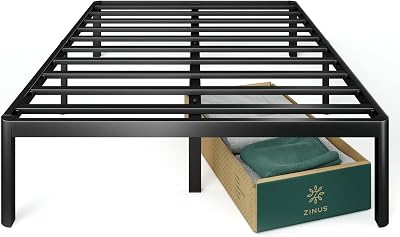
| ZINUS Van 16 Inch Metal Platform Bed Frame / Steel Sl… | — | ★ 4.5 | 70.6k | $87.44 |
Frequently Asked Questions
How do you get water and power off-grid in a van?
For power, you generate electricity with solar panels (and a DC-to-DC charger from the alternator), store it in a lithium battery bank, and run devices through an inverter. For water, you carry fresh water in a tank, pressurize it with a 12V pump, and capture used water in a gray tank to dump responsibly. Resupply both at parks, gas stations, and dump stations.
How much water do I need for van life?
Plan for roughly 2-5 gallons of water per person per day for drinking, cooking, and light washing. A 20-40 gallon fresh tank gives a solo traveler about a week between refills. Heavy users who shower in the van need more capacity or more frequent fills.
Can solar power run everything in a van?
Solar can power lights, fans, a fridge, and device charging easily in a well-sized system. It struggles with high-draw appliances like air conditioners, microwaves, and induction cooktops, which need large battery banks. In winter or cloudy regions, pair solar with a DC-to-DC charger that recharges while you drive.
Where do vanlifers dump gray water?
At RV dump stations, some gas stations and travel centers, campgrounds, and designated disposal sites. Never dump gray water on the ground or down storm drains. Apps like iOverlander and Sanidumps map legal dump locations across the country.
Do I need an inverter in my van?
Only if you run household AC devices like a laptop charger that lacks a 12V option, a blender, or power tools. Many van systems run mostly on 12V DC (fridge, fans, lights, USB) and use a small inverter only for occasional AC needs. Size the inverter to your largest AC load.
The Bottom Line
Reliable van life water and power come down to generating, storing, and conserving two finite resources. Build a power system with solar, a lithium battery, a charge controller, and a DC-to-DC backup, sized to your daily watt-hour budget. Build a water system with a fresh tank, pump, and gray tank, sized to a few gallons per person per day. Add redundancy, learn where to resupply, and adopt conservation habits, and you’ll roam off-grid for days at a time with confidence.
Related: July 2026 Road-Trip Essentials: Stay Cool and Powered Off-Grid