- Top Pick: AQUASTRONG 1 HP Sump Pump 4500 GPH Submersible Water Pump for Water Removal
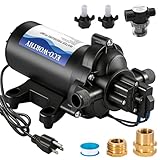
- Best Value: ECO-WORTHY 33-Series Industrial Water Pressure Pump 110V AC 4.0GPM 50PSI RV Fresh Water Diaphragm Pump include Garden Hose Adapters for Irrigation Marine Boat Sprinkler Faucet
- Premium Choice: WASSERMANN Pre-Pressurized Accumulator Tank,33.8 oz (1 L) 125 PSI Water Pump Flow Control with Internal Bladder Reduced Pump Cycling, Suitable for RV, Boat, Travel Trailer, Caravan
Last updated: September 18, 2026
Choosing between a water pump and an accumulator tank for your camper van is not really about which one moves water. Both can do that. The real decision is about how you want water to feel when you turn on the tap at 6 a.m. in a quiet campsite or wash dishes after a dusty trail day. A standard diaphragm pump alone gives you pressurized water on demand, but it cycles on and off with every small use, which means noise, pulsating flow, and extra wear. An accumulator tank does not pump anything by itself. It stores pressurized water so your pump can run less often, more smoothly, and more quietly. For most van builders, the question is not pump or tank. It is whether you need just the pump, or the pump plus the tank.
Quick Verdict
If you want the simplest, lowest-cost way to get running water in a camper van, a 12V or 110V diaphragm pump by itself is enough. It is compact, easy to install, and handles daily tasks like filling a sink or running an outdoor shower. If you want that same system to feel more like home — steady pressure, less juddering, and no pump chattering every time you rinse a cup — add a small pre-pressurized accumulator tank.
As an Amazon Associate we earn from qualifying purchases at no extra cost to you. Product prices and availability are accurate as of the date shown and are subject to change.



For weekend and solo travelers on a tight budget or with very limited space, pump-only wins. For couples, full-timers, and anyone sensitive to noise or who wants to protect their pump from short-cycling, the pump plus accumulator combination is worth the extra $25 to $75 and the extra half-hour of install time.
Side by Side
See also: Best Van Water Filter for Refill Stations in 2026: Tested and Ranked • How to Winterize a Van Water System (2026): Step-by-Step
| Feature | Water Pump Only | Water Pump + Accumulator Tank |
|---|---|---|
| Comfort / Water Flow | Pulsating flow at low volumes. Pressure fluctuates as pump cycles on at ~30 PSI and off at ~50-55 PSI. | Smooth, consistent flow. Tank delivers stored water first, reducing pulsation and sputtering. |
| Noise Level | Louder. Pump kicks on for every small draw, even a quick hand wash. | Noticeably quieter. Pump runs for longer, less frequent cycles. Ideal for nighttime use. |
| Durability / Pump Life | More starts and stops accelerate wear on pressure switch and diaphragm. Typical pump lifespan 5-7 years with frequent use. | Fewer cycles extend pump life by 30-50%. Internal bladder in tank is replaceable on most models. |
| Price Range | $60 to $130 for a quality RV diaphragm pump. Example: ECO-WORTHY 33-Series Industrial Water Pressure Pump at $72.99 delivers 4.0 GPM at 50 PSI. | Add $24 to $45 for the tank. Example: WASSERMANN Pre-Pressurized Accumulator Tank at $24.99 (1L, 125 PSI) or the RV Pre-Pressurized Accumulator Tank at $24.44 (0.75L). |
| Maintenance | Low. Clean inlet strainer every 3-6 months, check for leaks, winterize. | Low to moderate. Same pump care plus checking tank pre-charge pressure (usually 20-30 PSI) once or twice a year with a tire gauge. |
| Space Needed | Very compact. Most diaphragm pumps are about 8 x 5 x 4 inches and weigh 3 to 6 lbs. | Small addition. A 0.75L to 1L tank is about 8-9 inches long, 4-5 inches in diameter, and weighs 2-3 lbs. Mounts inline near the pump. |
| Look / Installation | Simple single-unit install with two water lines and two wires. Fits under sink or bench. | Requires one extra T-fitting or inline connection and a mounting bracket. Still a DIY job under an hour. |
| Power Draw | Higher instantaneous cycling. A typical 12V pump draws 7-10 amps while running; a 110V model like the ECO-WORTHY 33-Series draws about 1.5-2 amps AC. | Lower average draw over time. Fewer starts save battery and reduce inrush current, helpful for solar setups. |
| Best For | Budget builds, minimalists, weekend vans, systems used a few times per day. | Full-time living, families, light sleepers, and anyone wanting home-like pressure for showers and faucets. |
Where Water Pump Wins
A good diaphragm pump is the heart of any camper van water system, and for many builds it is all you need. Modern RV pumps are designed to be self-priming, run dry without damage for short periods, and provide 3.0 to 5.5 GPM which is more than enough for a single faucet and shower head.
The biggest advantages are simplicity and cost. You can install a pump like the ECO-WORTHY 33-Series Industrial Water Pressure Pump with just garden hose adapters and PEX fittings, connect it to your fresh tank, and have pressurized water in an afternoon. There is no pre-charge to set and no bladder to monitor. That matters if you are building in a tight footprint under a bench where every inch counts.
A standalone pump also makes sense if your water use is intermittent. If you mostly use a manual foot pump or fill bottles and only turn on the electric faucet for dishes once a day, the drawbacks of cycling are minimal. You avoid paying for and mounting a component that will rarely be useful.
It is worth noting what a water pump is not. A heavy-duty clean water pump such as the AQUASTRONG 1 HP Sump Pump at $65.99, rated at 4500 GPH, is built for very different jobs like draining a flooded basement or emptying a large tank. That scale of flow and a 1 HP (about 750 watt) motor is far beyond what a camper van needs and would overwhelm typical 1/2 inch RV plumbing. For van life, you want a low-flow, high-pressure diaphragm pump designed for 40 to 55 PSI, not a high-volume sump pump.
Where weight and power are at a premium, pump-only also keeps your electrical system simple. A single pump drawing under 100 watts for a few seconds at a time is easy for even a small 100Ah lithium battery and a basic solar setup to handle.
Where Accumulator Tank Camper Van Wins
An accumulator tank shines the moment you start living in the van daily. It is a small steel or composite canister with an internal rubber bladder. One side holds air pre-charged to about 20 to 30 PSI, the other side holds water. When the pump runs, it pushes water into the tank and compresses the air. When you crack the faucet for a small amount of water, the tank pushes it out without the pump needing to start at all.
The result is three immediate improvements you can feel. First, the flow stays even instead of pulsing. Second, the pump does not click on and off every second when you are trying to wash hands quietly. Third, you get a small reserve of water — about 0.2 to 0.4 liters of usable draw from a 0.75L to 1L tank like the WASSERMANN Pre-Pressurized Accumulator Tank or the smaller RV Pre-Pressurized Accumulator Tank — even if the pump is switched off.
This reduced cycling is more than a comfort feature. Each pump start puts stress on the motor and pressure switch. In a pump-only system, brushing your teeth can trigger 5 to 10 rapid cycles. With a 1-liter tank in the line, that same task may cause one or zero cycles. Over months of full-time use, that adds up to less wear, fewer annoying pressure spikes, and less chance of leaks at fittings.
Tanks are also tiny and forgiving. At 33.8 oz capacity (1 liter) and a max rating of 125 PSI, the WASSERMANN model mounts horizontally or vertically on a wall within 12 inches of the pump outlet. The 0.75L RV Pre-Pressurized Accumulator Tank is even smaller and uses a standard 1/2 inch MNPT male thread, so it tees directly into existing PEX without special tools. Pre-charge is checked with a standard Schrader valve, exactly like a bicycle tire. If you are already installing a new pump, adding the tank adds about 15 to 20 minutes of work.
For couples or anyone doing nighttime bathroom runs, the noise difference alone is often worth it. In 2026, as more vans adopt lithium batteries and quieter all-in-one electrical systems, that soft, tank-buffered flow has become the standard for comfortable builds.
Cost Over 5 Years
Upfront, a pump-only system is cheaper. Expect to spend $65 to $130 for the pump, plus $15 to $25 for strainer, fittings, and PEX. Total initial cost: $80 to $155.
A pump plus tank system adds $24 to $45 for the accumulator and about $8 to $12 for a tee fitting and extra hose clamps. That puts the total at $112 to $212. The difference is less than a single night in a campground with hookups.
Over five years, the tank often pays for itself. A diaphragm pump that cycles constantly typically needs a pressure switch replacement ($18 to $30) or a full replacement after 3 to 4 years of heavy use. A buffered system can reliably stretch that to 5 to 7 years. You also save a small amount of power — fewer motor starts mean less inrush current — and you reduce water waste from pressure surges that splash out of a shallow van sink.
Maintenance cost for the tank is near zero. The bladder is sealed and does not need replacement unless punctured, which is rare when pre-charge is kept correct. Check pressure at the start of each season, drain and winterize before freezing temperatures, and the tank will typically last 8 to 10 years. If you need to replace an accumulator after five years, you are spending another $24 to $45, not another $70-plus pump.
Energy costs are modest in either case. A 12V pump running 20 minutes per day at 8 amps uses about 2.6 amp-hours per day. With the tank reducing run time by roughly 15 to 25 percent, you save a fraction of an amp-hour daily — small on paper, but helpful when parked off-grid for a week.
Which One for Your Home
The right choice depends less on specs and more on how you live in your space. A camper van is a home, but so is the apartment or house where you park it between trips.
Small Apartment or Studio Van
Go pump-only if space is extremely tight and you use water sparingly. A single diaphragm pump under a 24-inch galley cabinet leaves room for storage and keeps plumbing runs short. If your van doubles as a daily driver and you only camp on weekends, the simplicity outweighs the comfort gain. Choose the smallest accumulator only if you find pulsation genuinely annoying after your first few trips — you can always add it later without re-plumbing the whole system.
Family with Kids or Pets
Choose pump plus accumulator tank. Kids and dogs mean frequent, small water draws — hand washing, bottle rinsing, paw cleaning — which makes a pump-only system chatter constantly. The smooth flow prevents splashing and helps little hands control the faucet. The 1-liter WASSERMANN size is ideal here, giving you a steadier shower for rinsing off after hikes without the pump surging every few seconds.
Rental or Shared Van
Add the accumulator. Renters are less tolerant of noisy, pulsing faucets and are more likely to mistake short-cycling for a fault. The tank makes the system feel professionally built and reduces service calls. It also protects your pump when different users leave the faucet barely cracked open, a common cause of rapid cycling. The $24.44 RV Pre-Pressurized Accumulator Tank is inexpensive insurance for a rental fleet or a van you loan to friends.
Long-Term Home or Full-Time Van Life
Invest in pump plus tank from day one. If the van is your primary residence for months at a time, comfort and component longevity matter more than saving $25. Pair a reliable 4.0 GPM diaphragm pump with a 0.75L to 1L pre-pressurized tank set to 30 PSI pre-charge. Mount the tank close to the pump outlet, use flexible hose to reduce vibration, and install an inline strainer before the pump. This combination delivers home-like pressure, quiet nights, and the longest service life for your plumbing.
FAQ
Do I need an accumulator tank if I already have a good water pump?
No, you do not need one for the system to work. A quality diaphragm pump will pressurize your van on its own. The tank is an upgrade for comfort and longevity. It smooths flow, quiets operation, and reduces wear. Most owners add it after living with pump-only for a few weeks and noticing the pulsation. It can be added at any time without replacing the pump.
What size accumulator tank is best for a camper van?
For most vans, 0.75L to 1L is the sweet spot. The 0.75L size saves space and still buffers small draws like hand washing. The 1L size, such as the 33.8 oz WASSERMANN tank, gives a bit more reserve for a short shower or dish rinse without cycling. Larger 2-liter tanks are available but are unnecessary unless you have a high-flow shower or multiple outlets running at once. Any tank rated to at least 100 PSI is safe for typical 50 PSI RV pumps.
Will an accumulator tank increase my water pressure?
It does not increase maximum pressure. Maximum pressure is still set by the pump, usually 50 to 55 PSI. What the tank does is keep pressure more stable between the pump’s cut-in and cut-out points, so you do not feel the drop each time the pump starts. The result feels like stronger, more consistent pressure, especially at low flow.
Can I use a sump pump or household water pump in a camper van?
Generally no. Sump pumps like the 1 HP AQUASTRONG model are designed to move large volumes at low pressure for drainage, not to hold steady pressure for faucets. They are also 110V AC with high wattage and large outlets that do not match RV plumbing. Use a dedicated RV or marine diaphragm pump rated for potable water, with a built-in pressure switch and check valve. That is what models like the ECO-WORTHY 33-Series are built for.
Ready to decide? Our #1 pick for 2026 is the Comfort / Water Flow.
Live price & availability on Amazon.