Last updated: September 9, 2026
As an Amazon Associate we earn from qualifying purchases at no extra cost to you.




🛒 Best Price Today on Amazon
Prime members get fast, free shipping on everything above, plus member-only deals. New members get a 30-day free trial — cancel anytime.
Introduction
One of the most-asked questions in van life is how to handle bathroom needs on the road. The good news is there are several practical, odor-free toilet solutions that work beautifully in a van conversion. Whether you prefer a simple portable unit or a more permanent setup, this guide covers the top picks and helps you match the right van life toilet to your travel style and budget.
What to Look For
See also: Best Ways to Keep a Van Tidy on the Road • Best Cyber Monday Cologne Deals
- Waste handling method: Cassette toilets require dumping at RV stations, while composting units separate liquid and solid waste to minimize odor and disposal frequency.
- Size and footprint: Van space is precious — look for compact designs that can fit under a bench seat or in a dedicated cabinet without eating up living area.
- Odor control: Quality seals, carbon filters, and proper ventilation are essential. Choose models with proven odor-blocking systems for comfortable daily use.
Top Picks
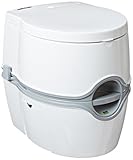
Thetford Porta Potti 565E Curve
The Thetford Porta Potti 565E is a van lifer favorite thanks to its ergonomic curved design, comfortable seat height, and built-in level indicator. The electric pump flush is smooth and quiet, and the 5.5-gallon waste tank holds up well for 2-3 days of use between dumps. It fits neatly under most bench builds and seals tightly to prevent any odor leakage. The full-size seat is a genuine comfort advantage over smaller units, and the separate fresh-water flush tank means you're not relying on your main water supply for the bathroom.
Camco 41541 Portable Travel Toilet
Camco's portable travel toilet is a budget-friendly cassette-style option that punches above its price point. It features a rotating pour spout for easy emptying, a bellows-style flush pump, and a 5.3-gallon holding tank. The lid locks securely during travel so there are no surprise spills on bumpy roads. A solid starter toilet for van lifers on a tighter budget. Its simplicity is also a strength — with no electronics to fail, it's an easy first toilet that many people keep as a backup even after upgrading.
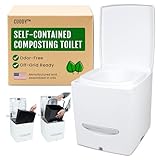
Nature's Head Self-Contained Composting Toilet
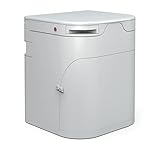
Nature's Head is the gold standard composting toilet for van and RV conversions. It separates liquid and solid waste, virtually eliminating odor when used correctly with coconut coir as the composting medium. The urine bottle holds about 2 gallons and needs emptying every 2-3 days, while the solids chamber can go 4-6 weeks between changes for one user. It requires a small 12V fan for ventilation — easily wired into your van electrical system. The higher upfront cost pays back for full-timers who boondock far from dump stations and want to go weeks without a disposal run.
How to Choose the Right Van Toilet
The single biggest factor is how you travel. If you mostly stay at campgrounds and RV parks with dump stations, an affordable cassette or portable toilet is all you need, and the low upfront cost frees budget for the rest of your build. If you boondock on public land for a week or more at a stretch, a composting toilet's long service intervals and reduced disposal hassle justify the higher price. Consider your water situation too — flush toilets consume fresh water and fill a black-water tank quickly, while composting units use no water at all, which matters when your tank refills are days apart.
Cassette vs Composting: The Real Trade-offs
Cassette and portable toilets are cheaper, familiar, and simple, but you dump a tank of liquid waste every few days and rely on chemicals or good seals to control odour. Composting toilets cost more and take a short learning curve, but they separate liquids from solids so nothing smells, and the solids bin only needs attention every few weeks. Composting also removes the need to find an approved black-water dump, which is genuinely liberating for off-grid travellers, though you'll still empty the urine bottle regularly and dispose of composted solids responsibly.
Space, Ventilation, and Installation
Measure the exact footprint before buying, including the swing room to open the lid and the height needed to sit comfortably. Portable units can live in a cupboard and come out when needed, while fixed composting toilets want a permanent spot with a vent hose routed through the floor or wall and a small fan wired to your 12V system. Plan the vent path early in your build, because retrofitting a through-wall or through-floor vent after the walls are finished is far more work than roughing it in from the start.
Odor Control and Maintenance Habits
No toilet is odour-free without good habits. For cassette units, use quality tank treatments, empty before the tank is completely full, and rinse the holding tank when you dump. For composting toilets, keep the coir medium at the right moisture, run the vent fan continuously, and never let liquids into the solids chamber. Across all types, a small vent or cracked window, hand sanitiser, and a lined bin for used paper keep the whole bathroom experience pleasant even in a tight van.
Final Thoughts
Your van toilet choice comes down to how long you boondock versus stay at campgrounds with dump stations. Cassette toilets are affordable and familiar; composting toilets are the premium off-grid solution. Either way, having a dedicated toilet setup dramatically improves the van life experience — especially in bad weather.
Frequently Asked Questions
Do composting toilets really not smell?
When used correctly, composting toilets are genuinely close to odour-free because they separate liquid from solid waste, and it's the mix of the two that creates the classic bathroom smell. Keeping the coconut coir medium at the right moisture, running the small vent fan continuously, and diverting urine into its own bottle are the keys. Neglect any of those and odour returns, so the low-smell reputation depends entirely on consistent, correct use rather than the toilet alone.
How often do I need to empty a van toilet?
A portable or cassette toilet with a 5- to 6-gallon tank typically needs emptying every two to three days for a couple, and the black-water tank fills faster the more you flush. A composting toilet's urine bottle needs emptying every two to three days as well, but the solids chamber can go four to six weeks for a single user. Your actual interval depends on how many people use it and how much you rely on it versus campground facilities.
Where can I legally empty a van toilet?
Cassette and portable toilet waste should go into approved RV dump stations, campground sanitation points, or designated facilities — never into storm drains, pit toilets not designed for it, or the environment. Composted solids from a composting toilet can often go into a trash receptacle when fully bagged, following local regulations, while the liquid can be diluted and disposed of appropriately. Always check the rules for the area you're in, since disposal laws vary by region and land type.
Do I need a toilet in my van at all?
Not everyone does — some van lifers rely on campground, gym, and public restrooms and skip an onboard toilet to save space. But a dedicated toilet is invaluable in bad weather, at night, when you're parked in remote areas, or during illness, and it removes the stress of always needing to find facilities. Even a simple, inexpensive portable unit stored in a cupboard provides peace of mind for the situations where an outside restroom simply isn't available.
Which van toilet is best for full-time boondocking?
For full-time off-grid living far from dump stations, a composting toilet is usually the best fit because it uses no water, controls odour well, and only needs the solids chamber emptied every few weeks. That drastically reduces how often you must hunt for a black-water dump. Cassette toilets remain a fine budget choice if you pass through towns regularly, but the freedom of long service intervals is why so many committed boondockers eventually upgrade to composting.