- Top Pick: Motor Trend Heavy Duty Rear Back Seat Floor Mats 2nd or 3rd Row Floor Mat for Car, SUV & Van – All Weather SUV Black Runner Rubber Mat – Floor Runner Back Row Floor Mat Interior Accessories 57" x 15"
- Best Value: Rubber-Cal Coin-Grip Flooring and Rolling Mat, Dark Grey, 2mm x 4 x 8-Feet
- Premium Choice: CAR PASS Waterproof Universal Fit Car Floor Mats, Faux Leather Car Carpet Mats, Black Car Mats with Anti-Slip Nibbs Backing & Driver Heel Pad Fit for SUV,Vans,sedans, Trucks,Set of 4pcs(All Black)
Last updated: October 9, 2026
As an Amazon Associate we earn from qualifying purchases at no extra cost to you.


🛒 Best Price Today on Amazon
Prime members get fast, free shipping on everything above, plus member-only deals. New members get a 30-day free trial — cancel anytime.
Van Life Flooring: Choose the Right Material for Your Build
Flooring might seem like a minor detail, but it sets the foundation—literally—for your entire van build. The right flooring is durable, moisture-resistant, good-looking, and easy to clean. The wrong flooring warps, grows mold, or looks terrible after six months of van life wear and tear. Here’s a breakdown of the best options and the products to use for each.
1. Luxury Vinyl Plank (LVP) Flooring
LVP is the most popular van flooring choice among serious builders. It’s 100% waterproof, extremely durable, looks great, and installs easily with a click-lock system. Brands like LifeProof (Home Depot exclusive) and Pergo offer excellent van-appropriate LVP that can handle foot traffic, moisture, and temperature swings.



As an Amazon Associate we earn from qualifying purchases. Product prices and availability are accurate as of the date/time indicated.
2. Vinyl Sheet Flooring
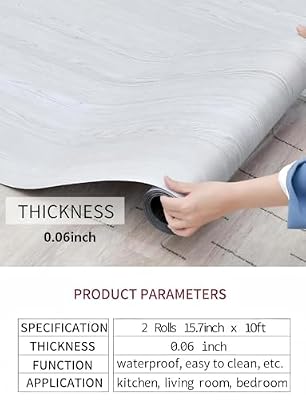
Sheet vinyl is a budget-friendly alternative that’s fully waterproof and very easy to cut to fit the complex curves of a van floor. It doesn’t have the plank aesthetic of LVP, but it creates a seamless surface with no joints for water to seep through. Great for bathroom or wet area sections of a van build.
3. Interlocking Rubber Floor Tiles
For utility-focused van builds (cargo hauling, mobile workshops, or adventure rigs), interlocking rubber tiles are nearly indestructible and can be removed and reinstalled easily. They’re anti-slip, easy to clean, and handle heavy gear and wet boots without complaint.


As an Amazon Associate we earn from qualifying purchases. Product prices and availability are accurate as of the date/time indicated.
Buying Guide: Van Flooring Material Comparison
See also: Best Ways to Keep a Van Tidy on the Road • Best Cyber Monday Cologne Deals
- Waterproofing: All van flooring should be 100% waterproof—avoid laminate, hardwood, and cork.
- Subfloor: Use 1/4” or 3/8” plywood over the van floor ribs; cover with CCF foam for insulation before your finish floor.
- Thickness: Thinner flooring (4–6mm) adds less height; important if you have limited headroom.
- Temperature Stability: Choose flooring rated for high temperature variation; LVP can expand and buckle in extreme heat if not properly installed.
- Underlayment: Most LVP includes attached underlayment; additional foam underlayment aids insulation and reduces noise.
- Aesthetics: Wood-look LVP creates a warm, home-like feel; utility builders often prefer neutral rubber or vinyl.
Final Thoughts
Luxury vinyl plank is the best van flooring material for most builds: it looks great, lasts for years, and handles everything van life throws at it. Invest in a quality LVP product, properly insulate your subfloor, and your floor will look new years down the road. Don’t cut corners here—the floor is one of the most-touched surfaces in your van.
Frequently Asked Questions
What flooring material holds up best in a van?
Luxury vinyl plank is the most common choice because it is waterproof, tolerates flexing, and can be installed as a floating floor with no adhesive. Marine grade vinyl sheet is even better against water since there are no seams. Laminate and engineered wood swell permanently once water finds an edge.
Do I need insulation under the floor?
Yes, if you use the van in cold weather. The floor is a large uninsulated steel plate directly exposed to airflow underneath. Half inch XPS or polyiso between furring strips gives roughly R-2.5 to R-3 and eliminates the cold slab feeling. Any more thickness starts eating precious standing height.
How thick can the total floor build be?
Most builds land between one and two inches including insulation, plywood subfloor, and finished surface. Every inch you add is an inch of headroom lost, so in a low roof van keep it under an inch and a quarter. Also remember it raises your step-in height and can interfere with door operation.
Should I glue the floor down or float it?
Float it. Vans flex constantly and adhesives that are fine in a house crack or release in a vehicle. A floating floor with a perimeter held by the wall furring and cabinets stays put, and it can be lifted later if you need to inspect for rust or run new wiring.
How do I stop rust and moisture under the floor?
Treat any existing surface rust before you cover it, and use closed cell foam rather than fibrous insulation that can hold moisture against metal. Avoid trapping water in the factory floor channels by filling them with foam board offcuts, and check the floor for dampness once a year in the first few years.