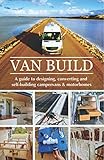
- Top Pick: Van Build: A complete DIY guide to designing, converting and self-building your campervan or motorhome
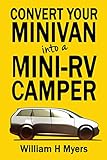
- Best Value: Skoolie!: How to Convert a School Bus or Van into a Tiny Home or Recreational Vehicle
- Premium Choice: ZIMISI LCD Display Tire Tread Depth Gauge, Digital Tire Depth Gauge with Inch/MM Conversion of 0-1 Inches, Tread Checker Tester Measuring Gauge Tool for Car Motorcycle Truck SUV (Silver)
Last updated: September 7, 2026
As an Amazon Associate we earn from qualifying purchases at no extra cost to you.



🛒 Best Price Today on Amazon
Prime members get fast, free shipping on everything above, plus member-only deals. New members get a 30-day free trial — cancel anytime.
Introduction
A van conversion is a significant construction project, and having the right tools from the start saves time, money, and significant frustration. You don't need a professional woodworking shop — but you do need a core set of quality tools that handle the cutting, fastening, and fitting work that a van build demands. The single biggest mistake first-time builders make is buying cheap tools that fail mid-cut or lack the torque to drive fasteners into steel framing, then replacing them anyway. Buy once, cry once. Here's what experienced van builders consider essential, and how to prioritize your tool budget so you spend on what you'll actually reach for every build day.
What to Look For in Conversion Tools
See also: Best Ways to Keep a Van Tidy on the Road • Best Cyber Monday Cologne Deals
- Cutting versatility: Van builds require cutting wood, metal, and insulation in a tight, irregular workspace. A compact circular saw, jigsaw, and oscillating multi-tool cover most cutting scenarios without requiring a full workshop setup. The oscillating tool in particular excels at flush cuts and plunge cuts in cramped corners where nothing else fits.
- Fastening power: A quality drill/driver combo kit handles 95% of van build fastening — drilling pilot holes, driving screws into framing, and mixing adhesives. Brushless motor models deliver more torque with longer battery life than older brushed-motor designs, which matters when you're driving hundreds of self-tappers into steel.
- Measuring precision: Van walls and floors are rarely perfectly flat or square. A quality digital level, laser measure, and tape measure catch errors before they become expensive mistakes in expensive lumber and materials.
- Battery platform commitment: Picking one cordless ecosystem early means every future tool shares batteries and chargers, saving money and clutter over the length of the build.
Top Picks for Van Conversion Tools
Milwaukee M18 FUEL Drill/Impact Combo Kit
Milwaukee's M18 FUEL system is the top choice among professional van builders. The combo kit includes a drill/driver and impact driver — two tools you'll reach for constantly throughout a build. Brushless motors deliver exceptional torque and runtime, the M18 battery system is compatible with dozens of Milwaukee tools, and the build quality is genuinely professional-grade. Many van builders start with this kit and gradually expand into other M18 tools (oscillating tool, circular saw) as the build progresses. The impact driver is the unsung hero here — it drives long screws into steel framing without stripping heads or wearing out your wrist, a task that punishes a standard drill.
DEWALT 20V Jigsaw DCS334B
A jigsaw is the most-used cutting tool in most van builds — it handles curved cuts for wheel well covers, irregular insulation trimming, countertop cutouts for sinks, and access panel cuts in paneling. The DEWALT DCS334B is a compact, brushless orbital jigsaw that accepts all standard T-shank blades and fits the 20V DEWALT battery platform. The keyless blade change and variable-speed trigger make it genuinely easy to use in the awkward positions that van building constantly demands. Keep a few blade types on hand — fine-tooth for laminate, coarse for framing lumber, and metal-cutting for trimming the van's ribs — and this one tool handles the vast majority of your shaping work.
Bosch GLM50CX Laser Distance Measure
Measuring inside a cargo van accurately is harder than it looks — floor-to-ceiling heights vary, walls angle inward, and wheel wells create complex geometry. The Bosch GLM50CX laser measure handles distances up to 165 feet with ±1/16 inch accuracy and calculates area and volume automatically. Continuous measurement mode makes fitting cabinets and framing much faster than running a tape measure alone. One of the tools van builders say they wish they'd bought sooner. Because van interiors are full of curves and one-person measuring is awkward, the laser lets you take precise readings solo against the far wall without a helper holding the tape — a small convenience that saves hours over a full build.
How to Prioritize Your Tool Budget
You don't need everything on day one. Sequence your purchases to match your build phases. Start with the drill/impact combo and a jigsaw — these cover framing, subfloor, and paneling, the first stages of any build. Add a laser measure early because it prevents costly cutting mistakes from the very beginning. Save the oscillating multi-tool, circular saw, and rivet nut tool for when you actually hit tasks that require them. For one-off jobs like a single sheet of plywood, borrowing or renting a track saw from a home improvement store makes more sense than buying. Committing to a single battery platform (M18 or 20V MAX) from your first purchase means every later tool shares batteries, which compounds into real savings across a full conversion.
Tools People Forget to Budget For
Beyond the power tools, a handful of inexpensive items make or break your build day. A good set of clamps holds panels in place while adhesive cures or while you fasten one-handed. Quality drill and driver bits — especially self-centering and impact-rated bits — prevent stripped screws. A shop vacuum keeps metal shavings out of your electrical runs and your lungs. Safety gear is non-negotiable: eye protection, hearing protection, a respirator for spray foam and sanding, and gloves for handling cut sheet metal edges. Budget for these alongside the headline tools rather than treating them as afterthoughts.
Final Thoughts
You don't need to own every tool before you start your van build — many builders start with rented tools and buy only what they use constantly. That said, the drill/driver combo, jigsaw, and laser measure are three tools you'll use every single build day and are worth owning outright. Invest in quality here; cheap tools fail at critical moments and cost you more in time and frustration than the price difference ever justified. Commit to one battery platform, buy the essentials first, and let your tool collection grow naturally as the build reveals what you actually need.
Frequently Asked Questions
What tools do I absolutely need to start a van conversion?
At minimum, you need a drill/driver and impact driver combo, a jigsaw, a tape measure or laser measure, and basic safety gear. These handle framing, subfloor, insulation trimming, and paneling — the first stages of nearly every build. You can add specialty tools like a rivet nut tool or circular saw later as specific tasks come up rather than buying everything upfront.
Should I buy corded or cordless tools for a van build?
Cordless is strongly preferred because van builds happen in tight spaces, often away from a reliable power outlet, and trailing cords are a hazard in a cramped interior. Modern brushless cordless tools deliver plenty of power for van work. Commit to a single battery platform so every tool shares batteries and chargers, which saves money and clutter across the whole project.
Is it worth investing in a laser measure for a van conversion?
Yes, more than most people expect. Van interiors are full of curves, angled walls, and wheel wells that make tape measuring awkward and error-prone, especially when working alone. A laser measure gives precise solo readings, calculates area and volume automatically, and prevents costly miscuts in expensive plywood and hardwood. Builders routinely call it a tool they wish they'd bought sooner.
Can I do a van conversion without a full workshop?
Absolutely. The vast majority of van builds are completed in a driveway or parking spot with a compact set of cordless tools. You don't need a table saw or fixed workbench — a good jigsaw, a circular saw with a straightedge guide, and a folding sawhorse or work table cover almost all your cutting needs in the space you have available.
How much should I budget for van conversion tools?
A solid starter kit of a quality drill/impact combo, a brushless jigsaw, a laser measure, and safety gear runs a few hundred dollars, and you can add specialty tools over time. Buying quality upfront costs more initially but saves money over the build because cheap tools fail mid-project and get replaced anyway. Renting one-off tools you'll rarely use keeps the total lower.