Last updated: September 7, 2026
🛒 Best Price Today on Amazon
Prime members get fast, free shipping on everything above, plus member-only deals. New members get a 30-day free trial — cancel anytime.
Introduction
A high roof van is the most livable configuration for full-time van life — the ability to stand upright inside changes everything about daily comfort, from getting dressed to cooking to working at a standing desk. Ford Transit High Roof, Mercedes Sprinter 170 High Roof, and Ram ProMaster High Roof are the three dominant platforms, and each one rewards a thoughtful conversion that takes full advantage of the extra vertical space. Here's the gear that makes high roof builds sing, along with the design thinking that turns extra headroom into a genuinely better home on wheels.
As an Amazon Associate we earn from qualifying purchases at no extra cost to you.



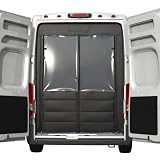


What to Look For in a High Roof Conversion
See also: Best Ways to Keep a Van Tidy on the Road • Best Cyber Monday Cologne Deals
- Overhead Storage Utilization: The extra height in a high roof van opens up overhead cabinet space that standard roof vans simply can't offer. Well-designed overhead cabinets for clothing, gear, and kitchen supplies can dramatically reduce the furniture footprint on the floor.
- Standing Desk Clearance: With 6'3" or more of interior height, a high roof van can accommodate a genuine standing workstation. Wall-mounted fold-down desks work beautifully in this configuration without consuming floor space when not in use.
- Roof Ventilation Placement: A high roof van benefits enormously from a roof vent fan placed at the rear peak of the ceiling. Hot air rises and collects at the roof apex — proper fan placement exhausts this heat efficiently, reducing the load on any cooling system.
- Insulation for the Extra Surface Area: More height means more wall and ceiling surface to insulate. Budget for enough Thinsulate or wool insulation to cover the added area, or you'll lose the comfort advantage the tall shell gives you.
- Weight and Center of Gravity: Tall builds tempt you to store heavy items up high. Keep water tanks, batteries, and dense gear low to preserve stable handling on windy highways and mountain passes.
Top Picks for High Roof Van Builds
Maxxair MaxxFan Deluxe Roof Vent Fan
The Maxxair MaxxFan Deluxe is the preferred roof vent fan for high roof van conversions because its dome-style lid opens independently of the fan — meaning you can ventilate without rain getting in. The 10-speed motor handles everything from quiet overnight circulation to high-volume exhaust during cooking. At 10 inches of ceiling cutout, it fits perfectly in the standard 14×14 inch vent opening and draws just 2-3A at low speed. In a tall van where hot air pools at the ceiling peak, this fan's exhaust capability is the single most effective way to keep the interior comfortable.
Murphy Wall Bed Hardware Kit
In a high roof van conversion, a wall-mounted Murphy bed is the ultimate space multiplier — the bed folds against the wall during the day, freeing the entire floor plan for living and working. Murphy bed hardware kits provide the spring-loaded mechanism that makes raising and lowering a full mattress effortless. Paired with custom-built cabinetry, this setup turns the bedroom into a full living room every morning. The extra ceiling height is what makes a vertical Murphy bed practical in the first place — there simply isn't room to swing a mattress up in a standard roof van.
Flexi-Mount Heavy Duty Overhead Garage Storage
Flexi-Mount overhead storage systems can be adapted for high roof van ceilings to create suspended storage platforms above the main living area. Custom van builders use similar systems to suspend gear hammocks, kayak racks, and overhead storage compartments from the van's ceiling ribs. For high roof overlanders who carry bulky gear, overhead storage is a game-changer that keeps the floor clear for living. Just mind the weight — anchor these systems to the van's structural ribs, not just the sheet metal, and keep the heaviest items lower down.
Designing a High Roof Layout That Works
The temptation with all that headroom is to build tall furniture everywhere, but the best high roof layouts use vertical space strategically. Reserve the upper zone for lightweight, infrequently accessed storage — spare bedding, off-season clothes, camp chairs — and keep your daily-use items at counter and eye level. This keeps the center of gravity manageable and stops the interior from feeling like a cramped hallway between two walls of cabinets.
A standing area near the kitchen or the sliding door is worth protecting in your floor plan. The whole point of a high roof is being able to stand, stretch, cook, and get dressed comfortably, so don't fill every square foot with furniture. Even a modest clear zone dramatically improves how the space feels to live in day after day.
Ventilation and Climate in a Tall Van
Tall vans have more air volume to move and more surface area exchanging heat with the outside, which cuts both ways. In summer, the extra ceiling height means hot air stratifies at the top, so a roof fan mounted at the rear peak exhausts that heat far more effectively than a fan placed low. In winter, that same volume takes more energy to keep warm, making quality insulation across the larger wall and ceiling area essential. Plan both your ventilation and your insulation around the reality that a high roof van is a bigger box to condition than a standard one.
Frequently Asked Questions
Which high roof van platform is best — Transit, Sprinter, or ProMaster?
Each has strengths. The Ram ProMaster is the widest and has near-vertical walls, making cabinetry and a sideways bed easier, plus it's front-wheel drive and the most affordable. The Mercedes Sprinter offers the tallest interior, available 4×4, and a premium driving experience at a higher price. The Ford Transit splits the difference with available AWD, a strong dealer network, and competitive pricing. For maximum standing room the Sprinter 170 leads; for easiest DIY buildout and value, many choose the ProMaster.
How much interior standing height does a high roof van actually give you?
It varies by platform, but high roof vans generally offer around 6'2" to 6'5" of interior standing height before you add flooring and ceiling finishes. After insulation and floor buildout, expect to lose an inch or two. That's enough for most people to stand fully upright, which is the defining comfort advantage over standard roof vans that leave you stooped. If you're taller than about 6'3", check the specific model's finished height carefully before committing.
Does a high roof hurt fuel economy or drivability?
A taller profile adds aerodynamic drag and catches more crosswind, so you'll typically see slightly lower fuel economy and more steering input needed in strong side winds compared to a standard roof. The difference is modest for most drivers and well worth the livability gain for full-timers. Keeping heavy items (water, batteries) mounted low preserves a stable center of gravity and noticeably improves how the tall van handles on highways and mountain passes.
Where should I mount the roof fan in a high roof van?
Mount your primary exhaust fan toward the rear peak of the ceiling, where hot air naturally collects. Because heat rises and stratifies at the top of a tall van, a fan placed there pulls out the hottest air most efficiently. Many builders add a second intake vent or crack a window near the front to create cross-flow, drawing cool air in low at one end and exhausting warm air high at the other for effective passive-assisted ventilation.
Can I put a Murphy bed in any high roof van?
A vertical wall-mounted Murphy bed generally requires the standing height a high roof provides, since you need room to swing a full mattress up against the wall. It works well in Sprinter 170, Transit High Roof, and ProMaster High Roof builds. In a standard roof van there usually isn't enough clearance for a vertical fold, which is why fixed platform beds or convertible dinettes are more common there. Confirm your specific model's finished interior height against the bed hardware's clearance requirements before building.
Final Thoughts
A high roof van is the most capable and comfortable platform for full-time van life, and the extra vertical space rewards creative design. Prioritize standing height ceiling work, proper overhead ventilation, and overhead storage utilization — these are the benefits that make a high roof build categorically different from a standard roof conversion. If you're choosing between roof heights, high roof is almost always the right answer for full-time living.