- Top Pick: Phueut Pressurized Handheld Multi-Surface Natural Steam Cleaner with 12 pcs Accessories, Multi-Purpose Steamer for Home Use, Steamer for Cleaning Floor, Upholstery, Grout and Car (Grey)
- Best Value: BASF PT 221L Pressurized Insecticide Aerosol Spray, Kills Wide Range of Crawling Insects & Bugs, Non Repellent, Ready to Use Indoor or Outdoor, 14 Ounce
- Premium Choice: Yuclet Gravity Water Filter System w/ 2-Gal Bag & 0.1-Micron Filter Straw
Last updated: September 18, 2026
Choosing between a pressurized and gravity water system van is less about finding the “best” setup and more about deciding how you want water to behave in daily life. A pressurized system delivers water through a pump when you open a faucet, creating a familiar residential feel. A gravity system relies on the height of the tank and filter, so it uses fewer components but usually produces a slower, gentler flow.
That difference affects far more than shower speed. It changes cabinet space, electrical demand, noise, winterization, leak risk, installation cost, and how easily you can repair the system away from home. The right choice for a weekend camper may be frustrating for a family living in a van full time. Before buying tanks and fittings, consider your water habits, available battery capacity, and whether a simple system is more valuable than a residential-style experience.
As an Amazon Associate we earn from qualifying purchases at no extra cost to you. Product prices and availability are accurate as of the date shown and are subject to change.


Quick Verdict
Choose a pressurized water system if you want a normal faucet, faster rinsing, an indoor shower, or the ability to run several fixtures with reasonable water pressure. Expect a more involved installation, pump noise, electrical use, and more parts that can eventually need replacement.
Choose a gravity water system van setup if low power consumption, low cost, easy repairs, and simplicity matter most. Gravity systems are particularly practical for drinking water, cooking, handwashing, and compact builds. Their limitations are slower flow, less consistent pressure, and reduced convenience for showers or multiple fixtures.
For many owners, the most balanced solution is a hybrid: a gravity-fed drinking-water filter paired with a small pressurized tank and pump for sinks or showers.
Side by Side
See also: Best Van Water Filter for Refill Stations in 2026: Tested and Ranked • How to Winterize a Van Water System (2026): Step-by-Step
| Factor | Pressurized system | Gravity system |
|---|---|---|
| Comfort | Faucet flow commonly feels closer to home plumbing; showers are more practical. | Quiet and straightforward, but flow may be slow and pressure varies with tank height. |
| Typical cost | About $250–$900 for a basic installed system; larger builds can exceed $1,200. | About $75–$400, depending on tanks, filtration, taps, and cabinetry. |
| Durability | Durable when protected from freezing and dry running, but includes a pump, switches, and more connections. | Fewer mechanical parts mean fewer failure points; tanks and tubing still require inspection. |
| Maintenance | Sanitize the tank and lines, inspect the pump strainer, and replace filters as directed. | Clean the tank, wash containers, and replace or clean gravity filters on schedule. |
| Space needed | Often needs room for a 10–25-gallon tank, pump, accumulator, filter, and plumbing. | A 2–10-gallon elevated container may be enough for basic use, but vertical clearance is important. |
| Power use | Usually a 12-volt pump drawing roughly 3–7 amps while operating. | None for water delivery; some purification devices may still need power. |
| Look and feel | Can support residential-style faucets, pull-out sprayers, and indoor showers. | Usually has a simpler tap, spigot, or portable dispenser appearance. |
| Resale appeal | Often attractive to buyers seeking a move-in-ready van with familiar amenities. | Appeals to buyers who value low maintenance, off-grid simplicity, and fewer electronics. |
| Best for | Full-time living, frequent showers, families, and owners who prioritize convenience. | Weekend trips, minimalist builds, drinking water, and low-power travel. |
Where Pressurized Wins
The biggest advantage is consistent usability. A demand pump turns on when you open the faucet and stops when the line reaches its set pressure. A typical 12-volt pump may be rated around 2–5 gallons per minute, although actual flow at the faucet is lower after accounting for filters, hose length, fittings, and elevation. Even a modest system feels substantially better than pouring water from a container.
Pressurized plumbing also makes an indoor shower realistic. A 10–25-gallon fresh tank can support several short showers when paired with a low-flow showerhead, though hot-water use will usually be the limiting factor. Owners can add a water heater, accumulator tank, exterior shower, or multiple faucets without redesigning the entire system.
This setup is especially useful for households with children or pets. Washing muddy feet, rinsing dishes, and filling a bowl are quicker when the water arrives at the turn of a handle. A pressurized system can also feed a filtered drinking faucet and a separate utility faucet, helping keep drinking-water components cleaner.
The trade-off is complexity. Installation commonly includes a tank, 12-volt pump, inline strainer, check valve, flexible tubing, shutoff valves, and pressure-rated fittings. Depending on the layout, the pump may need a fused circuit and a service panel. It also makes noise, usually as a short vibration or hum, and an improperly mounted pump can transmit sound through cabinetry.
Protect the pump from dry running and freezing temperatures. A leak sensor or automatic shutoff is worthwhile, especially when the tank is under a bed or inside a cabinet. The related Phueut pressurized handheld steam cleaner, listed at $49.99, is a separate cleaning appliance rather than a plumbing component; products like it may be useful for general van upkeep, but they do not replace water-system sanitation.
Where Gravity Water System Van Wins
A gravity system wins on simplicity. Raise a clean-water container above the outlet, connect a filter or food-safe hose, and water moves downward without a pump, battery, fuse, or pressure switch. That makes troubleshooting easy: if flow stops, check the water level, filter, tubing, and outlet height.
Gravity is also efficient for small-scale use. A 2-gallon container can handle drinking and basic cooking for a short trip, while a 5–10-gallon reservoir suits a minimalist weekend setup. A gravity tank does not have to be permanently installed, which can preserve storage space and make it easier to carry water to a refill point.
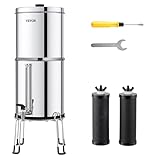
Filtration is a common reason buyers choose this design. For example, a Yuclet gravity water filter system with a 2-gallon bag and 0.1-micron filter straw is priced at $43.99. A countertop-style VEVOR gravity-fed system with a 2.25-gallon stainless-steel body is listed at $80.99. These products illustrate the range between portable and more furniture-like gravity filtration, but filter capacity, certifications, replacement schedules, and installation dimensions should be checked before relying on any system for a particular water source.
The limitations are most obvious in the shower. Flow depends on the height difference between the water surface and outlet. A tank placed only a few inches above a faucet may produce a trickle, especially as the tank empties or the filter becomes clogged. Raising a heavy container also creates a safety issue: 1 gallon of water weighs about 8.3 pounds, so a full 10-gallon tank weighs more than 83 pounds before the container and mounting hardware are counted.
Gravity systems can also look less integrated. A visible container, hose, or countertop filter may not suit a carefully finished interior. However, for owners who prioritize repairability and low electrical demand, those compromises are often worthwhile.
Cost Over 5 Years
Up-front pricing favors gravity. A basic gravity setup may cost $75–$200, while a more polished system with a stainless tank, stand, dedicated faucet, and replacement filters may reach $250–$400. Over five years, budget roughly $50–$250 for replacement filters, seals, tubing, and occasional containers, putting a realistic total near $125–$650.
A pressurized system commonly costs $250–$900 when the tank, pump, fittings, filter, wiring, and installation materials are included. A five-year maintenance budget might add $100–$350 for filters, pump strainers, tubing, sanitizing supplies, and a possible pump replacement. That produces a broad five-year range of about $350–$1,250, before adding a water heater or professional installation.
Energy costs are usually modest because a 12-volt pump runs only while water is flowing. Still, owners with limited solar capacity should account for the pump’s roughly 3–7 amp draw and any water heater, which can consume far more power. Do not confuse plumbing pressure with cleaning products: a BASF PT 221L pressurized insecticide aerosol, priced at $18.94, is a pest-control product and should be stored and used according to its label, away from drinking-water equipment.
Which One for Your Home
Small apartment
If “home” means a compact van or apartment-like micro-space, choose gravity for drinking and cooking when you have limited cabinetry or battery capacity. A 2–5-gallon container can fit on a counter or shelf, but secure it against movement. Choose pressurized plumbing if you need an indoor shower or a faucet that feels like standard home hardware.
Family with kids or pets
Pressurized is usually the better choice. The faster, predictable flow makes handwashing, dishwashing, pet cleanup, and short showers less frustrating. Use a 15–25-gallon tank if space and payload allow, and install accessible shutoff valves so an adult can isolate a leak quickly.
Rental
Renters and temporary occupants should favor a portable gravity system. It requires minimal modification, can be removed without leaving extensive plumbing behind, and does not depend on permanent electrical wiring. A compact pressurized unit can work if it is self-contained, but confirm that its tank, pump, and hoses can be safely secured without drilling into the structure.
Long-term home
For full-time van living or a permanent small home, pressurized plumbing generally offers the best everyday comfort. Build in service access, use food-safe tubing, insulate vulnerable lines, and leave room to replace the pump and filters. A hybrid arrangement is compelling: gravity filtration for drinking water and a separate pressurized loop for washing.
FAQ
Can a gravity system run a shower?
Yes, but performance may be weak. The tank must sit well above the showerhead, and the filter and tubing must allow enough flow. A small 12-volt pump can be added, but that turns the setup into a hybrid rather than a purely gravity-fed system.
How large should a van water tank be?
For one person using water carefully, 10–15 gallons may cover basic daily needs. Two people or frequent showering can justify 20–30 gallons. Tank size should be balanced against available storage and weight: every additional 10 gallons adds more than 83 pounds of water.
Is pressurized plumbing unsafe?
It is safe when installed with food-safe components, correct fusing, secure mounting, and a reliable shutoff. Keep electrical connections dry, protect hoses from abrasion, and never leave an accessible pump running against a closed or blocked line indefinitely.
How often should either system be sanitized?
Sanitize the fresh-water tank and lines at least several times a year, after long storage, and whenever water develops an odor or unusual taste. Follow the tank, filter, and sanitizer manufacturer’s directions, and replace disposable filters at their stated capacity or sooner if flow declines.
Ready to decide? Our #1 pick for 2026 is the Comfort.
Live price & availability on Amazon.