Last updated: September 7, 2026
As an Amazon Associate we earn from qualifying purchases at no extra cost to you.

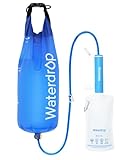



🛒 Best Price Today on Amazon
Prime members get fast, free shipping on everything above, plus member-only deals. New members get a 30-day free trial — cancel anytime.
Clean Water on the Road: Why a Camping Water Filter Is Essential
Reliable access to clean drinking water is one of the most critical aspects of van life and overlanding. A quality camping water filter means you can refill from streams, spigots, questionable sources, and natural water while staying healthy on the road. The technology has advanced enormously — today's filters are lightweight, fast, and capable of removing bacteria, protozoa, and even viruses depending on the type. Whether you are topping off a tank from an unfamiliar campground spigot or drawing straight from a mountain creek, the right filter turns an uncertain water source into a safe one. Here are the best options for van lifers in 2025.
Top Picks: Best Camping Water Filters
See also: Best Ways to Keep a Van Tidy on the Road • Best Cyber Monday Cologne Deals
1. Sawyer Squeeze Water Filter System
The Sawyer Squeeze is the most popular backpacking and van life water filter on the market for good reason. It weighs just 3 ounces, filters 0.1 micron to remove 99.99999% of bacteria and 99.9999% of protozoa, and can filter up to 100,000 gallons before replacement. The squeeze pouches fill from any source and squeeze through the filter into a bottle or hydration bladder. It's also inline-adaptable for gravity filtration setups. Backflush with the included syringe to maintain flow rate. Its versatility — squeeze, gravity, or inline — is exactly why it lives in so many van kits.
2. Katadyn BeFree 1.0L Water Filter Bottle
The Katadyn BeFree combines a soft-flask bottle with an integrated 0.1-micron filter for the most convenient on-the-go filtration. Fill it from any stream or tap, squeeze, and drink directly — no pumping, no waiting, no separate containers. The EZ-Clean membrane shakes out to restore flow. At just 2.3 ounces, it disappears into a van lifer's day bag. A perfect companion for hikes from camp, topping up at trailheads, or city tap water that tastes questionable. Its collapsible flask also packs flat when empty, saving precious space.
3. MSR Guardian Purifier
When you need the highest level of water protection — international travel, heavily contaminated sources, or immunocompromised campers — the MSR Guardian is the definitive answer. It's the only pump purifier that removes viruses (99.9999%), bacteria, protozoa, and sediment in a single pass. Military-grade construction, self-cleaning mechanism, and a fast flow rate of 2.5L per minute make it the premium choice for serious overlanders. Expensive but irreplaceable in truly remote areas, and its self-backflushing design means it never clogs the way squeeze filters can.
Buying Guide: Choosing the Right Camping Water Filter
- Filter vs. purifier: Filters remove bacteria and protozoa; purifiers also eliminate viruses — essential for international travel or unknown water sources.
- Flow rate: Gravity and squeeze filters are slow; pump purifiers are faster — consider how much water you process daily.
- Filter lifespan: Sawyer filters 100,000 gallons; hollow fiber membranes generally outlast activated carbon elements.
- Maintenance: All filters require backflushing or cleaning to maintain flow rate — check ease of field maintenance.
- System integration: Sawyer and Katadyn work inline with most hydration bladders for van gravity feed setups.
- Taste: Activated carbon elements improve taste by removing chlorine and odors — important for city tap water sources.
How to Choose a Filter for Your Water Sources
The right filter depends entirely on where your water comes from. If you refill mostly from municipal spigots, campground taps, and the occasional clear stream, a hollow-fiber filter like the Sawyer or Katadyn handles bacteria and protozoa perfectly and adds carbon-free simplicity. If you travel internationally or draw from stagnant, agricultural, or heavily used water, a true purifier like the MSR Guardian that also kills viruses is worth the extra cost and weight.
Think in layers for a van build. Many full-timers pair a personal squeeze filter for hikes with an inline or gravity filter feeding the van's tank, so both their bodies and their plumbing get protection. A pre-filter or settling step for silty water extends the life of any main filter dramatically by keeping sediment out of the membrane.
Integrating a Filter Into Your Van Plumbing
Hollow-fiber filters like the Sawyer adapt easily to gravity and inline setups, letting you filter water as it enters your tank or as it leaves the tap. A gravity bag hung from a hook filters slowly but hands-free, ideal for filling large containers at camp. For pressurized systems, an inline filter on the output line gives you filtered water at the faucet, though you should still sanitize the tank periodically since filters address biological contaminants, not stale-tank taste and buildup.
Related Guides
- Best Dog Car Seat and Crate for Van Life 2026
- Overlanding Gear Essentials: Must-Have Kit for Off-Road
- Van Life Bedding Guide: Best Mattresses, Sleeping Bags & Sheets for Van Dwellers
Frequently Asked Questions
What is the difference between a water filter and a water purifier?
A filter physically strains out bacteria and protozoa but generally cannot remove viruses, which are small enough to pass through the membrane. A purifier removes viruses as well, either mechanically like the MSR Guardian or via chemical or UV treatment. In North America, viruses in wild water are rare, so a good filter suffices; for international travel or heavily contaminated sources, a purifier is the safer choice.
How often do I need to replace or clean my filter?
Cleaning is frequent, replacement is rare. Hollow-fiber filters like the Sawyer and Katadyn need regular backflushing or shaking to restore flow as they trap debris, especially after silty water. The membranes themselves last a very long time — the Sawyer is rated for up to 100,000 gallons — so with routine maintenance you may go years before replacement. Carbon elements, where present, have shorter lives and need periodic swapping to keep improving taste.
Can I filter tap water to improve the taste in my van?
You can, but choose the right tool. Hollow-fiber filters remove biological contaminants but do little for chlorine taste or odor, so for taste you want a filter with an activated carbon element. Many van lifers run city water through a carbon filter specifically to strip the chlorine flavor and any tank staleness, making the water far more pleasant to drink and cook with.
Will a camping filter remove chemicals or heavy metals?
Standard hollow-fiber filters are designed for microorganisms, not dissolved chemicals, so they do not reliably remove heavy metals, pesticides, or industrial contaminants. If you draw from sources near agriculture or old mining areas, you need a filter rated specifically for chemical reduction, often one with a substantial carbon stage, or you should avoid that source. When in doubt about chemical contamination, choose a different water source rather than trusting a biological filter.
How should I store my filter to keep it from freezing or clogging?
Protect it from freezing above all. If water inside a hollow-fiber filter freezes, the ice can rupture the membrane and let contaminants through without any visible sign of damage. In cold weather, keep your filter inside the insulated van or in a sleeping bag overnight, and always backflush and drain it after use so it stays clean and ready. Store it dry when possible to discourage mold growth during long idle periods.
Final Thoughts
For the vast majority of North American van life and camping, the Sawyer Squeeze delivers incredible protection at an unbeatable price and weight. The Katadyn BeFree adds convenience for daily use on hikes and around camp. And for international overlanding or truly wild water sources, the MSR Guardian provides complete protection that justifies its premium price. Add a quality filter to your van kit — ideally matched to where you actually draw water — and water worries disappear from your list of road challenges.