- Top Pick: LOFTANK 65 Gallon Portable Water Storage Tank, Large Bladder Container With 3/4" PVC Spigot Overflow Kit for Camping, Garden, Emergency – Black
- Best Value: WaterPrepared 35 Gallon Portable Utility Water Tank, Blue
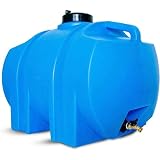
- Premium Choice: 20 Gallon Water Storage Tank, Non-Standard Wheel Well RV Water Tank for Drinking and Water Holding, Utility Water Tank for Camping(47" x 16" x 11"), 75 Liter
Last updated: September 7, 2026
As an Amazon Associate we earn from qualifying purchases at no extra cost to you.



🛒 Best Price Today on Amazon
Prime members get fast, free shipping on everything above, plus member-only deals. New members get a 30-day free trial — cancel anytime.
Fresh Water on the Road: Best Portable Water Tanks for Van Life
Access to fresh water is one of the most fundamental logistics challenges in van life. A quality portable water tank for your van gives you independence from campground spigots, extends your ability to dry camp, and supports cooking, drinking, and washing needs for days at a time. From rigid tanks that mount permanently to collapsible containers for flexible storage, the right water storage solution depends on your van layout, consumption habits, and how long between refills you need to go.
1. WaterBrick Stackable Water Storage Container (3.5 Gallon)
WaterBrick's stackable containers are the most space-efficient portable water storage solution for vans. The rectangular shape stacks and interlock securely, making them ideal for under-bed or side-wall storage without wasting cubic inches. Each 3.5-gallon brick weighs 29 lbs when full — manageable to carry individually. BPA-free food-grade plastic, an integrated handle, and a secure spout make filling and dispensing easy. Build a modular water system by adding bricks as your storage space allows. They also work for emergency water storage at home.
2. Reliance Products Aqua-Tainer 7 Gallon Water Jug
The Reliance Aqua-Tainer is the workhorse of camp water storage. The 7-gallon capacity provides 56 lbs of water when full, enough for several days of cooking and drinking for two. The ergonomic handle, side-spigot, and large fill opening make it easy to use at a campsite. The blue tint protects water from UV degradation and the BPA-free plastic is safe for long-term storage. A pair of these stores 14 gallons — a solid water supply for a van life couple. Affordable enough to own multiples for different configurations.
3. Scepter 5-Gallon Military Water Can (Jerrycan Style)
For van lifers who want rugged, off-road-grade water storage, the Scepter military-style water can is unsurpassed. The vented cap prevents sloshing expansion and the robust handle and pour spout make dispensing clean and controlled. Compatible with standard jerrycan mounting brackets, they can mount externally on a rear rack or roof rack for vehicles with the space. BPA-free and designed to withstand harsh conditions that would crack cheaper containers. A favorite among overlanders who need reliable water storage on rough terrain.
Buying Guide: Sizing Your Van Water Storage System
See also: Best Ways to Keep a Van Tidy on the Road • Best Cyber Monday Cologne Deals
- Calculate daily consumption: Budget 1-2 gallons per person per day for drinking and cooking; add more for washing up and showering.
- Storage location: Low and centered in the van is best for weight distribution; avoid overhead storage for heavy water containers.
- Tank shape: Rectangular tanks use space more efficiently than round jugs in van storage areas.
- Gravity vs. pump: A spigot gravity system is simplest; add a 12V RV water pump for a pressurized sink if your build allows.
- Refill access: Water spigots at campgrounds, rest stops, and many grocery stores; apps like iOverlander and The Dyrt map water sources.
- Water treatment: Add a few drops of unscented bleach per gallon for longer storage or use a filter inline with your water system.
Final Thoughts
For organized van storage, WaterBrick's stackable system is the most efficient use of space. The Reliance Aqua-Tainer delivers reliable high-capacity storage at the best value. And the Scepter military can is the toughest option for overlanders who need water access in harsh conditions. Match your water storage capacity to your longest planned stretch between refills and you'll have the freedom to camp anywhere water isn't guaranteed.
Related Guides
- Van Life Heating Options: Best Ways to Stay Warm in Your Van
- Van Life with Kids: Essential Gear for Family Van Adventures
- Best Van Life Cooking Gear: Top Camp Cookware & Kitchen Tools for Van Life
Frequently Asked Questions
What tank size is practical to carry and refill?
Seven gallon jugs are the sweet spot for portable use, weighing about 58 pounds full, which one person can carry a short distance. Larger five and six gallon square containers stack well and stay manageable. Anything over seven gallons is genuinely hard to lift into a van from a spigot at ground level.
Where should tanks sit in the van?
Low and close to the centreline, ideally on the floor under a bed platform or bench. Water is 8.3 pounds per gallon, so 20 gallons is 166 pounds that will shift dramatically if unsecured. Strap tanks down and use ones with baffles or keep them full, since half-full tanks slosh and destabilise handling.
Do I need a pump or is gravity enough?
Gravity works if the tank sits above the tap, which usually means a jug on a counter. Most builds instead use a small 12V pump drawing 4-8 amps only while running, roughly 50-100W. A rechargeable USB pump that drops into a jug is a simple middle ground drawing a few watts.
What material should the tank be?
Food-grade HDPE or polyethylene marked as potable is the standard. Avoid repurposing industrial containers, and avoid clear or translucent tanks in sunlight since light drives algae growth. Blue or opaque containers stored out of direct sun stay noticeably cleaner between sanitising cycles.
How do I prevent freezing?
Keep tanks inside the heated space, never underslung or in an exterior bay, and leave roughly ten percent air space so ice has somewhere to expand. If you expect a hard freeze while away from the van, drain rather than gamble, since a split tank seam cannot be reliably repaired.