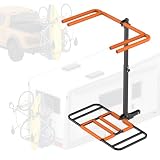
- Top Pick: Vertical RV Kayak Rack and Bike Carrier for 2 Kayaks and 2 Bikes, 300 LBS Load Capacity Heavy Duty Alloy Steel | 2" Hitch Mount Foldable Universal Fit for Truck, SUV, RV, Van
- Best Value: Kayak Storage Hoist – Overhead Pulley System with 125lb Capacity for Canoes, Bikes, Ladders, and More – for up to 12-Foot Ceilings by Rad Sportz
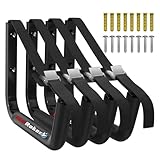
- Premium Choice: FitiRoker Kayak Storage Rack 120LB Wall Mounted Kayak Hook
Last updated: October 9, 2026
As an Amazon Associate we earn from qualifying purchases at no extra cost to you.




🛒 Best Price Today on Amazon
Prime members get fast, free shipping on everything above, plus member-only deals. New members get a 30-day free trial — cancel anytime.
Introduction
Van life and kayaking are a perfect pairing — the ability to wake up at a remote lake, paddle at dawn, and move to the next waterway by afternoon is one of the true joys of life on the road. But transporting a kayak in or on a van requires a dedicated storage solution that keeps the boat secure, protects your van's finish, and doesn't require a 30-minute rigging session every time you launch.
What to Look For
See also: Best Ways to Keep a Van Tidy on the Road • Best Cyber Monday Cologne Deals
- Roof rack load rating: A typical recreational kayak weighs 40-70 lbs. Your roof rack system needs a load rating that comfortably handles the kayak weight plus any additional gear — most quality van roof racks rate 165-200 lbs dynamic load.
- Tie-down system: Cam buckle straps rated for at least 2x your kayak weight, used in combination with bow and stern tie-downs, keep a kayak secure at highway speeds. Ratchet straps can crack plastic hull kayaks if overtightened — cam buckle straps are the correct choice.
- Interior options: Some van lifers carry smaller kayaks (under 10 feet) inside their van on a dedicated foam cradle system. This eliminates roof wind noise and drag and allows paddling in rain without concern about wet rooftop straps.
Top Picks
Yakima JayLow Rooftop Kayak Carrier
The Yakima JayLow is a padded, adjustable J-cradle carrier that loads a kayak on its side to reduce the van's overall height profile and wind resistance. The rubber-padded cradles protect your kayak hull while the folding design drops flat when the kayak is removed to reduce aerodynamic drag. It mounts to standard crossbar roof racks via Yakima's SKS locking system and accommodates kayaks up to 36 inches wide. A top choice among van life paddlers who prioritize stability and hull protection.
Thule 887 Compass Kayak Carrier
Thule's Compass kayak carrier is a flat-loading system that sits the kayak hull-down on padded crossbars, making solo roof loading easier than J-cradle designs for heavier boats. The contoured saddles adjust to fit kayaks from 24-36 inches wide, the anti-slip coating grips the hull firmly, and the strap system routes cleanly without rubbing hull surfaces. Compatible with Thule's extensive van roof rack ecosystem including Thule MotionXT load bars and van fit kits.
Suspenz Smart Airless Kayak Cart
Getting a kayak from your van to the water is the challenge that ends most paddling sessions prematurely. The Suspenz Airless kayak cart uses no-flat airless tires, adjustable padded cradles that fit any hull shape, and a lightweight aluminum frame to roll your kayak from van to water solo in under 2 minutes. The cart breaks down and stows inside the kayak for paddling, then reassembles at the takeout for the return trip. An essential tool for solo van life paddlers.
Final Thoughts
A quality kayak transport system pays for itself the first weekend you paddle a remote alpine lake that you drove directly to in your van. The Yakima JayLow and Thule Compass are both excellent roof carrier choices — the best one depends on your kayak weight and roof rack system. Pair either with a proper kayak cart for solo launching and you've got a complete mobile paddling operation that opens up thousands of waterways across North America.
Related Guides
- Camping Solar Generator: Best Portable Power Stations 2026
- Best Van Life Curtains for Privacy & Insulation 2026
- Best Solar Panel for Van: Rigid vs Flexible Options 2026
- Van Life Clothing Storage: Best Solutions for Organizing Clothes in a Van
Frequently Asked Questions
How much weight can my van roof actually hold?
Most cargo vans list a dynamic roof load of 150-330 pounds, which must include the rack itself. A 60-pound touring kayak plus a 70-pound rack system uses most of a 150-pound rating. Check your specific model manual, because the limit applies while driving, and exceeding it stresses the roof skin and mounting points.
J-cradle, saddle, or stacker mounts, which is best?
J-cradles tilt the boat on edge and free roof space for solar or a fan, but add about a foot of height. Saddles support the hull flat and are gentler on composite boats over long distances. Stackers are the right pick if you carry two or three whitewater boats and need maximum width efficiency.
How do I load a kayak alone onto a tall van?
Use a roller or load-assist bar at the rear so you can lift one end, slide the boat forward, then walk it up. On a high-roof Sprinter or ProMaster, a side-lift arm that swings down to waist height is worth the extra cost. A folding step stool at the rear bumper makes strapping far safer.
Will roof mounting damage the kayak or the van?
Overtightened cam straps deform plastic and composite hulls, especially in hot sun. Snug them until the boat does not shift by hand, then stop. On the van side, use track or gutter mounts rather than drilling where possible, and seal any new roof penetration with butyl tape plus a lap sealant to prevent leaks.
Do I need bow and stern tie-downs?
Yes, on anything longer than ten feet. Highway headwind and passing semis generate huge lift, and two center straps alone let the boat pivot. Bow and stern lines to the tow points stop that movement and give you a second chance if a cam strap fails. Use rope or non-ratcheting straps to avoid crushing the hull.