- Top Pick: How to Live the Van Life Dream: A Guide to Maximizing Van Life: Camping, Comfort, Cooking, Exercise, Passive Income, O!-Grid Living, Tech, Van … and Unlock Passive Income While on the Road)
- Best Value: The Ultimate Guide to Van Life: Tips and Tricks for Living on the Road (Wanderlust on Wheels: Embrace the Van Life Adventure)
- Premium Choice: RV Life 101: The 7 Keys Every Beginner Needs to Know for Living, Working, and Traveling with Family and Pets in an RV, Motorhome, or Camper
Last updated: September 12, 2026


🛒 Best Price Today on Amazon
Prime members get fast, free shipping on everything above, plus member-only deals. New members get a 30-day free trial — cancel anytime.
Introduction
Van life with a dog or cat is one of the most rewarding ways to experience the road — your pet gets endless outdoor adventures while you get a built-in companion for every campsite and trail. But van life with pets requires thoughtful gear choices to keep animals safe, comfortable, and happy in a moving, temperature-variable home. From crash safety to cooling to on-trail hydration, the right setup protects your animal and lets you travel with confidence. Here are the best products for van life pets, along with the buying considerations and daily routines that keep dogs and cats thriving on the road.
As an Amazon Associate we earn from qualifying purchases at no extra cost to you.


What to Look For in Van Life Pet Gear
See also: Best Ways to Keep a Van Tidy on the Road • Best Cyber Monday Cologne Deals
- Temperature Safety: A van can reach lethal temperatures (130°F+) in direct sun within minutes. Never leave a pet unattended in a parked van without active cooling — a diesel heater thermostat that you set before leaving is one option; a Maxxair fan with a cracked window is another for mild temperatures only.
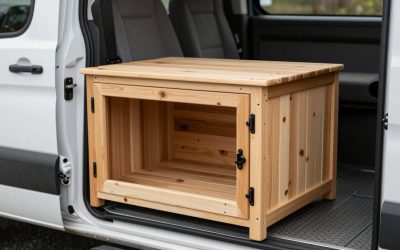
- Crash Safety: Unrestrained pets in a moving vehicle become dangerous projectiles in an accident. A crash-tested dog harness or a secure travel crate that is anchored to the van's structure is the responsible choice for pet travel safety.
- Routine Maintenance: Regular vet care, flea/tick prevention, and paw protection (hot pavement, rocky terrain) need ongoing attention in van life. Plan your route to include vet access, and keep a pet first aid kit alongside your human first aid supplies.
- Space-conscious design: Collapsible bowls, dual-purpose beds, and stackable food storage keep pet gear from overrunning your limited van interior.
Top Picks: Best Van Life Pet Gear
Ruffwear Front Range Day Pack Harness
Ruffwear's Front Range harness is the van life dog harness recommended by overlanders and hikers alike — padded, adjustable, escape-resistant, and built with two leash attachment points (front chest for training, back for hiking). The aluminum V-ring on the back is rated for load-bearing use, making it compatible with Ruffwear's own saddlebag and pack system for trail carries. For van life dogs who hike, swim, and scramble, the Front Range is the daily harness they'll wear for years, and it pairs with a tether for safe travel in the cab.
K9 Ballistics Chew Proof Elevated Dog Bed
A proper dog bed in the van keeps your pet off the cold floor and gives them a defined sleeping spot — critical for dogs who need routine and structure. K9 Ballistics makes elevated beds from ballistic-ripstop fabric that resists chewing, digging, and the wear of constant use. The raised cot design also improves airflow under the dog, keeping them cooler in warm weather. Available in multiple sizes to fit platform beds and floor spaces in different van layouts, giving your pet a consistent home base no matter where you park.
Kurgo Wander Portable Dog Water Bottle
Hydration on the trail is as important for your dog as for you, and the Kurgo Wander dog water bottle makes it simple. The bottle is a reservoir and a bowl in one — press the button to release water into the integrated dish, tip it back to drain unused water back into the bottle. The 25-oz capacity is enough for a short hike, and the carabiner clip attaches to a pack or belt loop. Compact, leak-free, and easy to clean — the best on-trail hydration solution for van life dogs.
Traveling With Cats vs. Dogs in a Van
Dogs and cats each bring their own considerations. Dogs need daily exercise, so a dog dictates a more active routine of walks and trailheads, plus secure restraint in the cab. Cats are lower-maintenance on exercise but require a litter setup, secure screening on windows and doors so they can't bolt, and often an adjustment period before they relax in a moving home. Both animals share the same non-negotiables: never overheat them, restrain them while driving, and give them a defined, consistent space that's theirs. Many cats adapt beautifully to van life once they learn the routine and claim a sunny perch.
Managing Temperature When You Step Away
Heat is the deadliest risk in van life with pets. The safest rule is to bring your pet with you or not leave at all in warm weather. When you must step away briefly, park in deep shade, run a roof fan on high, crack windows for cross-flow, and use a remote temperature monitor that alerts your phone if the interior climbs. A cooling mat gives your pet a place to shed heat, and frozen water bottles help in a pinch. In genuinely hot climates, schedule errands for the cool early morning.
Building a Pet-Friendly Daily Routine
Animals feel safest with predictability, even as your surroundings constantly change. Keep feeding times, walk times, and rest periods consistent regardless of location. Identify the nearest emergency vet whenever you reach a new area, and carry printed and digital copies of vaccination records, prescriptions, and microchip numbers. A dedicated pet first aid kit — with tweezers for ticks and thorns, vet wrap, and any regular medications — belongs alongside your human supplies for the times care is hours away.
Frequently Asked Questions
How do I keep my pet from overheating in the van?
Never leave a pet in a parked van in warm weather without active cooling. Park in deep shade, run a roof vent fan, crack windows for cross-ventilation, and provide a cooling mat. Install a remote temperature monitor that texts your phone if the interior rises past a safe threshold. In hot climates, the safest choice is simply to bring your pet along rather than leaving it behind.
Can cats really adapt to van life?
Yes, many cats thrive in vans once they adjust. They need a secure litter setup, escape-proof window and door screening, and a consistent safe space to retreat to. Introduce the van gradually before a long trip, keep the routine predictable, and give them a sunny perch. Some cats even learn to walk on a harness, though most are content observing the world from inside.
What should be in a van life pet first aid kit?
Include tweezers or a tick tool, vet wrap and gauze, antiseptic, saline for flushing eyes and wounds, a digital thermometer, any regular medications, and your vet's contact information. Add paw balm for cracked pads and booties for extreme terrain. Keep printed vaccination records and your pet's microchip number with the kit so you can act fast in a remote emergency.
How do I handle vet visits while constantly moving?
Keep digital and printed copies of all records so any clinic can treat your pet quickly. Research emergency vets along your planned route before you need them, and consider a pet telehealth service for non-emergency questions. National veterinary chains can often pull your pet's history across locations, which makes routine care like flea-and-tick refills straightforward even when you never stay in one place.
Is a crate or a harness better for pet safety while driving?
Both work if properly secured. A crash-tested harness with a seatbelt tether keeps a dog restrained in the seat, while an anchored, secured crate contains and protects a dog or cat and prevents escapes at stops. The key is that whichever you choose is genuinely fastened to the van's structure — an unsecured crate becomes a projectile just like an unrestrained animal in a collision.
Final Thoughts
Van life with a pet adds a layer of planning and responsibility but rewards you with a constant trail companion and the kind of joy that only a happy dog on a mountain can provide. Invest in crash-tested safety gear, stay vigilant about van temperatures, and build your pet's routine into your travel schedule. The van life pet community is large and supportive — connect with other van lifers traveling with dogs and cats for route recommendations and pet-friendly campsite tips.