Last updated: November 13, 2026
Affiliate disclosure: Epic Van Life is reader-supported. When you buy through links on this page, we may earn a commission at no extra cost to you. Prices and availability change often — check the current price on Amazon before you buy.
Updated 2026 · Reviewed 11 November 2026 · Author: Jordan Hayes · Sources: manufacturer specifications and Amazon listings checked 11 November 2026.
Short answer:
Top picks at a glance:
- EcoFlow River 2 Pro — Best Overall
- Jackery Explorer 300 — Best for CPAP Machines
- Bluetti Elite 30 V2 — Best Value
- Anker SOLIX C300 — Best Compact Station
- EcoFlow River 2 — Best Budget Pick
- Goal Zero Yeti 200X — Best Ultralight Station
- Pecron E300LFP — Best Cheap Capacity
How we choose & verify: Our picks come from manufacturer specifications and Amazon listings, checked 11 November 2026, cross-checked against independent testing and owner reports where available. Each Amazon link was checked against that model’s listing data to confirm it points to the exact model. Prices are ranges observed in November 2026 research, not fixed prices — check the current price before you buy.
— Jordan Hayes, Epic Van Life
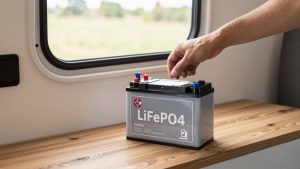
Key insight: Under $500, the battery chemistry matters more than the brand name. LiFePO4 stations last 3,000 or more charge cycles — roughly ten times a standard lithium-ion pack — so a 288Wh LiFePO4 station is a better long-term buy than a bigger lithium-ion one at the same price.
In this guide: What size power station do I need for camping? · Which are the 7 best portable power stations under 500? · What are the 7 best portable power stations under 500? · Can a portable power station run a CPAP machine all night? · Frequently asked questions about portable power stations under 500
What size power station do I need for camping?
Match watt-hours to the job. A phone and lights need under 100Wh. A CPAP without its humidifier draws about 30W, so it uses roughly 240Wh per night — a 288Wh station covers about one night. A 12V fridge draws 40–60W and needs 300Wh or more for a weekend. A coffee maker or microwave needs 800W or more of AC output, which only the biggest stations under $500 can do — and only briefly.
Check the AC output watts, not just the watt-hours. A station can hold 768Wh and still only output 300W, which will not run a 700W appliance. The River 2 Pro in this guide outputs 800W (1,600W with X-Boost), the widest margin under $500.
Which are the 7 best portable power stations under 500?
See also: Best Battery Backup Power Stations 2026: 7 Top Picks • Best Camping Generators for Quiet Campgrounds: 7 Picks
| Pick | Best for | Key spec | Price range |
|---|---|---|---|
| EcoFlow River 2 Pro | Best Overall | 768Wh, 800W AC, 70-min charge | Check on Amazon |
| Jackery Explorer 300 | Best for CPAP Machines | 292Wh, 300W AC, 7.5 lb | Check on Amazon |
| Bluetti Elite 30 V2 | Best Value | 288Wh, 600W, 5-year warranty | Check on Amazon |
| Anker SOLIX C300 | Best Compact Station | 288Wh, 300W, 100W USB-C | Check on Amazon |
| EcoFlow River 2 | Best Budget Pick | 256Wh, 300W, 7.7 lb | Check on Amazon |
| Goal Zero Yeti 200X | Best Ultralight Station | 187Wh, 120W AC, 5.0 lb | Check on Amazon |
| Pecron E300LFP | Best Cheap Capacity | 288Wh, 600W, 10.6 lb | Check on Amazon |
What are the 7 best portable power stations under 500?
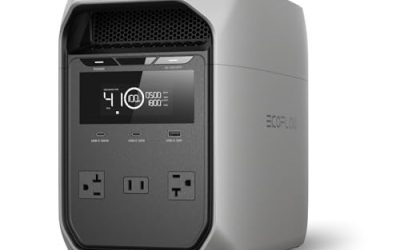
1. EcoFlow River 2 Pro — Best Overall
The biggest, fastest station under $500. With 768Wh and 800W of AC output, it runs things the smaller stations cannot — and recharges in about 70 minutes.
- Capacity: 768Wh LiFePO4
- AC output: 800W, 1600W with X-Boost
- Recharge: 0–100% in about 70 minutes
- Weight: about 17.2 lb
Strengths:
- Largest capacity under $500 in this guide
- 800W output runs small appliances
- LiFePO4 battery rated for 3,000+ cycles
Watch out:
- 17.2 lb — the heaviest pick here
- No built-in light or handle storage
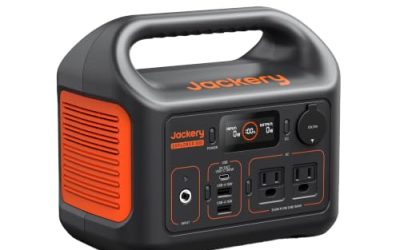
2. Jackery Explorer 300 — Best for CPAP Machines
The CPAP classic. At 292Wh and 7.5 lb, the Explorer 300 is light enough for a tent and big enough for one to two CPAP nights without a humidifier.
- Capacity: 292Wh LiFePO4
- AC output: 300W, 600W peak
- Weight: 7.5 lb
- AC outlets: 2
Strengths:
- Light enough to carry into a tent
- LiFePO4 battery with long cycle life
- Quiet operation — no fan noise at low loads
Watch out:
- 300W output will not run a coffee maker or microwave
- No USB-C fast charging
3. Bluetti Elite 30 V2 — Best Value
- Capacity: 288Wh LiFePO4
- AC output: 600W, 1500W with Power Lifting
- Weight: 9.5 lb
- Warranty: 5 years
Strengths:
- 600W output at a 300W price
- 5-year warranty — the longest here
- 70-minute recharge from a wall outlet
Watch out:
- 9.5 lb is heavier than the Jackery 300
- Fewer AC outlets than the River 2 Pro
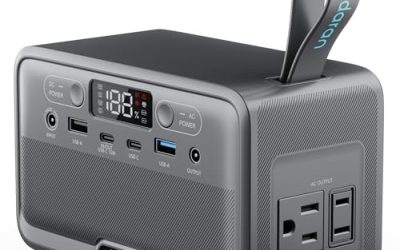
4. Anker SOLIX C300 — Best Compact Station
The smallest 288Wh station in this guide, built for a backpack or a small RV cabinet. A 100W USB-C port charges a laptop at full speed.
- Capacity: 288Wh LiFePO4
- AC output: 300W, 600W surge
- USB-C: 100W fast charging
- Battery life: 3,000 charge cycles
Strengths:
- Compact enough for a daypack or glove box
- 100W USB-C charges laptops fast
- LiFePO4 battery rated for 3,000 cycles
Watch out:
- 300W AC output limits appliance choice
- No app control on the base model
5. EcoFlow River 2 — Best Budget Pick
The cheapest LiFePO4 station in this guide.
- Capacity: 256Wh LiFePO4
- AC output: 300W, 600W surge
- Weight: 7.7 lb
- Recharge: 0–100% in about 1 hour
Strengths:
- Lowest price for a LiFePO4 station here
- One-hour recharge from a wall outlet
- Light enough to carry with one hand
Watch out:
- 256Wh is small for a 12V fridge weekend
- 300W output will not run kitchen appliances
6. Goal Zero Yeti 200X — Best Ultralight Station
The lightest station in this guide at 5.0 lb. The Yeti 200X is the pick for backpackers and minimalists who need power for phones, cameras, and lights — nothing more.
- Capacity: 187Wh lithium-ion
- AC output: 120W, 200W surge
- Weight: 5.0 lb
- Ports: 2 AC, 2 USB-A, 1 USB-C
Strengths:
- Lightest station in this guide at 5.0 lb
- Goal Zero build quality and support
- Fits in a backpack side pocket
Watch out:
- 187Wh is the smallest capacity here
- Lithium-ion battery — fewer cycles than LiFePO4
7. Pecron E300LFP — Best Cheap Capacity
The cheapest 288Wh station with a 600W inverter. The E300LFP is the value pick for campers who want real AC power without paying for a brand name.
- Capacity: 288Wh LiFePO4
- AC output: 600W
- Weight: 10.6 lb
- AC outlets: 2
Strengths:
- LiFePO4 battery with long cycle life
- 288Wh covers a CPAP for one to two nights
Watch out:
- 10.6 lb — heavier than the Jackery 300
- Less established brand and support network
Can a portable power station run a CPAP machine all night?
Yes — a 288Wh station runs most CPAP machines for one to two nights without the heated humidifier, and about one night with it. The Jackery Explorer 300 is the classic CPAP pick at 292Wh and 7.5 lb, light enough to carry into a tent. Turn off the humidifier and heated hose to nearly double runtime, and charge the station from your car or a solar panel during the day. For home backup during an outage, the larger River 2 Pro covers a CPAP plus a phone, a lamp, and a small fan.
Frequently asked questions about portable power stations under 500
What size power station do I need for camping?
For phones and lights, 200Wh is plenty. A CPAP drawing 30W uses about 240Wh per night, so 288Wh covers about one night without a humidifier. A 12V fridge needs 300Wh or more for a weekend. A coffee maker or microwave needs 800W of AC output — only the EcoFlow River 2 Pro here offers that under $500.
How long does a 288Wh power station last?
It depends on the load. A CPAP drawing 30W runs about nine hours from 288Wh — roughly one night without a humidifier. A 40W 12V fridge runs about six hours, and a 10W phone charger runs for more than a day. Divide watt-hours by device watts for a rough estimate, then subtract about 15% for inverter losses.
Is LiFePO4 better than lithium-ion in a power station?
Yes, for lifespan. LiFePO4 batteries last 3,000 or more full charge cycles — roughly ten times a standard lithium-ion pack — and they handle heat better. The trade-off is slightly more weight per watt-hour. Every station in this guide except the Goal Zero Yeti 200X uses LiFePO4, which is why we rank them higher for long-term value.
Can I charge a power station with a solar panel?
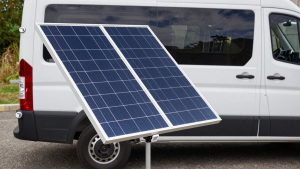
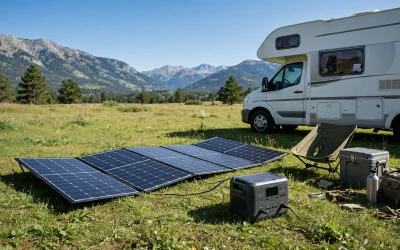
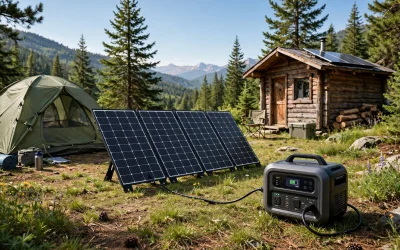
Yes — every station here accepts solar input, from 100W on the Anker C300 to 220W on the EcoFlow River 2 Pro. A 100W panel adds roughly 60 to 80Wh per hour in full sun, so a 288Wh station needs about four hours of sun for a full recharge. Check the station’s maximum solar input before buying a panel.
{
“@context”: “https://schema.org”,
“@graph”: [
{
“@type”: “Article”,
“headline”: “Best Portable Power Stations Under 500 2026: 7 Picks”,
“author”: {
“@type”: “Person”,
“name”: “Jordan Hayes”
},
“datePublished”: “2026-11-11”,
“dateModified”: “2026-11-11”,
“mainEntityOfPage”: “https://epicvanlife.com/best-portable-power-stations-under-500/”
},
{
“@type”: “ItemList”,
“name”: “Best Portable Power Stations Under 500 2026: 7 Picks”,
“itemListElement”: [
{
“@type”: “ListItem”,
“position”: 1,
“name”: “EcoFlow River 2 Pro”,
“url”: “https://www.amazon.com/dp/B0BVLPGS79?tag=epicvanlife05-20”
},
{
“@type”: “ListItem”,
“position”: 2,
“name”: “Jackery Explorer 300”,
“url”: “https://www.amazon.com/dp/B082TMBYR6?tag=epicvanlife05-20”
},
{
“@type”: “ListItem”,
“position”: 3,
“name”: “Bluetti Elite 30 V2”,
“url”: “https://www.amazon.com/dp/B0FJDVJV5H?tag=epicvanlife05-20”
},
{
“@type”: “ListItem”,
“position”: 4,
“name”: “Anker SOLIX C300”,
“url”: “https://www.amazon.com/dp/B0D62GMQ3F?tag=epicvanlife05-20”
},
{
“@type”: “ListItem”,
“position”: 5,
“name”: “EcoFlow River 2”,
“url”: “https://www.amazon.com/dp/B0B8MXPRDB?tag=epicvanlife05-20”
},
{
“@type”: “ListItem”,
“position”: 6,
“name”: “Goal Zero Yeti 200X”,
“url”: “https://www.amazon.com/dp/B082VG6N78?tag=epicvanlife05-20”
},
{
“@type”: “ListItem”,
“position”: 7,
“name”: “Pecron E300LFP”,
“url”: “https://www.amazon.com/dp/B0CN11QCJT?tag=epicvanlife05-20”
}
]
},
{
“@type”: “Product”,
“name”: “EcoFlow River 2 Pro”,
“brand”: {
“@type”: “Brand”,
“name”: “EcoFlow”
},
“offers”: {
“@type”: “AggregateOffer”,
“priceCurrency”: “USD”,
“lowPrice”: 359,
“highPrice”: 439,
“offerCount”: 1
}
},
{
“@type”: “Product”,
“name”: “Jackery Explorer 300”,
“brand”: {
“@type”: “Brand”,
“name”: “Jackery”
},
“offers”: {
“@type”: “AggregateOffer”,
“priceCurrency”: “USD”,
“lowPrice”: 259,
“highPrice”: 289,
“offerCount”: 1
}
},
{
“@type”: “Product”,
“name”: “Bluetti Elite 30 V2”,
“brand”: {
“@type”: “Brand”,
“name”: “Bluetti”
},
“offers”: {
“@type”: “AggregateOffer”,
“priceCurrency”: “USD”,
“lowPrice”: 279.99,
“highPrice”: 289.99,
“offerCount”: 1
}
},
{
“@type”: “Product”,
“name”: “Anker SOLIX C300”,
“brand”: {
“@type”: “Brand”,
“name”: “Anker”
},
“offers”: {
“@type”: “AggregateOffer”,
“priceCurrency”: “USD”,
“lowPrice”: 299,
“highPrice”: 329.98,
“offerCount”: 1
}
},
{
“@type”: “Product”,
“name”: “EcoFlow River 2”,
“brand”: {
“@type”: “Brand”,
“name”: “EcoFlow”
},
“offers”: {
“@type”: “AggregateOffer”,
“priceCurrency”: “USD”,
“lowPrice”: 169,
“highPrice”: 199,
“offerCount”: 1
}
},
{
“@type”: “Product”,
“name”: “Goal Zero Yeti 200X”,
“brand”: {
“@type”: “Brand”,
“name”: “Goal Zero”
},
“offers”: {
“@type”: “AggregateOffer”,
“priceCurrency”: “USD”,
“lowPrice”: 299.95,
“highPrice”: 330,
“offerCount”: 1
}
},
{
“@type”: “Product”,
“name”: “Pecron E300LFP”,
“brand”: {
“@type”: “Brand”,
“name”: “Pecron”
},
“offers”: {
“@type”: “AggregateOffer”,
“priceCurrency”: “USD”,
“lowPrice”: 179,
“highPrice”: 199,
“offerCount”: 1
}
}
]
}
{
“@context”: “https://schema.org”,
“@type”: “FAQPage”,
“mainEntity”: [
{
“@type”: “Question”,
“name”: “What size power station do I need for camping?”,
“acceptedAnswer”: {
“@type”: “Answer”,
“text”: “For phones and lights, 200Wh is plenty. A CPAP drawing 30W uses about 240Wh per night, so 288Wh covers about one night without a humidifier. A 12V fridge needs 300Wh or more for a weekend. A coffee maker or microwave needs 800W of AC output \u2014 only the EcoFlow River 2 Pro here offers that under $500.”
}
},
{
“@type”: “Question”,
“name”: “How long does a 288Wh power station last?”,
“acceptedAnswer”: {
“@type”: “Answer”,
“text”: “It depends on the load. A CPAP drawing 30W runs about nine hours from 288Wh \u2014 roughly one night without a humidifier. A 40W 12V fridge runs about six hours, and a 10W phone charger runs for more than a day. Divide watt-hours by device watts for a rough estimate, then subtract about 15% for inverter losses.”
}
},
{
“@type”: “Question”,
“name”: “Is LiFePO4 better than lithium-ion in a power station?”,
“acceptedAnswer”: {
“@type”: “Answer”,
“text”: “Yes, for lifespan. LiFePO4 batteries last 3,000 or more full charge cycles \u2014 roughly ten times a standard lithium-ion pack \u2014 and they handle heat better. The trade-off is slightly more weight per watt-hour. Every station in this guide except the Goal Zero Yeti 200X uses LiFePO4, which is why we rank them higher for long-term value.”
}
},
{
“@type”: “Question”,
“name”: “Can I charge a power station with a solar panel?”,
“acceptedAnswer”: {
“@type”: “Answer”,
“text”: “Yes \u2014 every station here accepts solar input, from 100W on the Anker C300 to 220W on the EcoFlow River 2 Pro. A 100W panel adds roughly 60 to 80Wh per hour in full sun, so a 288Wh station needs about four hours of sun for a full recharge. Check the station’s maximum solar input before buying a panel.”
}
}
]
}