Last updated: September 7, 2026
Navigating the vast ecosystem of recreational vehicle gear and accessories can easily overwhelm both novice travelers and seasoned rig owners. Building a reliable, safe, and comfortable mobile setup requires prioritizing structural durability, technical compatibility, and practical utility over flashy marketing claims. As we evaluate the mobile lifestyle landscape in 2026, staying informed on true component performance ensures that every dollar spent directly enhances your safety and quality of life on the open road. This master guide serves as your centralized directory, categorizing every critical power component, structural safety accessory, water management tool, and living amenity necessary to properly equip your travel trailer, fifth wheel, camper van, or motorhome.
What most buyers get wrong when outfitting an RV is treating mobile systems like residential household appliances. RV equipment is subjected to relentless road vibration, extreme thermal expansion, unpredictable campsite electrical spikes, and fluctuating municipal water pressures. Installing off-the-shelf home items or unverified, non-rig-rated budget accessories frequently results in catastrophic plumbing bursts, electrical fires, or sudden structural failure. By consulting our research-backed roundups, you can evaluate decisive specs—such as pure sine wave inverter purity, surge joule capacity, continuous water flow rates, and dynamic axle load capacities—before making any purchasing decisions.
Start Here: Which Rvs Guide Do You Need?
| Guide | Best for | Typical Budget |
|---|---|---|
| UV Water Purification Systems | Microbiological safety and off-grid boondocking water treatment | Premium |
| RV Steps | Safe chassis entry and exit for high-clearance rigs | Mid-Range |
| RV Vent Fans | Moisture mitigation, airflow control, and active climate management | Mid-Range |
| RV Space Heaters | Supplemental off-season heating without consuming onboard propane | Budget |
| RV Inverters | Converting off-grid DC battery power to clean AC household electricity | Premium |
| RV WiFi Boosters | Remote work, streaming, and amplifying weak campground signals | Mid-Range |
| RV Sewer Hoses | Sanitary, leak-free black and gray water tank dumping | Budget |
| RV Wheel Chocks | Preventing dangerous trailer roll and stabilizing parked rigs | Budget |
| RV Water Pressure Regulators | Protecting delicate PEX plumbing from erratic city water spikes | Budget |
| RV Tire Pressure Monitors | Real-time blowout prevention and tire temperature monitoring while towing | Mid-Range |
| RV Water Filters | Removing sediment, chlorine, heavy metals, and bad tastes at the spigot | Budget |
| RV Surge Protectors | Guarding expensive onboard electronics against shore power faults | Mid-Range |
| RV Awning Lights | Illuminating campsite outdoor living areas with low-power LED strips | Budget |
Freshwater, Filtration, and Sanitation Essentials
See also: How Many Watts of Solar Do You Need for Van Life? • Truma vs Webasto Water Heaters for Vans: Combi, Aquago and Alternatives
Maintaining a clean, reliable freshwater supply while safely handling wastewater is the absolute foundation of successful RV living. Campground water sources vary dramatically across North America, ranging from high-pressure municipal hookups that can easily rupture weak internal PEX piping to questionable rural well systems loaded with sediment, heavy metals, and harmful bacteria. To safeguard your plumbing hardware, applying the best water pressure regulators for RVs is essential; the decisive spec to look for here is adjustable PSI control paired with an integrated oil-filled pressure gauge that dampens needle flutter. To improve taste and remove physical contaminants at the city spigot, consult our roundups for the best water filters for RVs, where micron rating (preferably 0.5 to 5 microns) and continuous gallon-per-minute (GPM) flow capacity dictate overall quality.
For remote travelers who frequently draw water from unverified sources or boondock off-grid, upgrading to the best UV water purification systems for RVs adds a critical biological defense line by neutralizing up to 99.99% of viruses and bacteria without introducing chemical tastes. On the waste side, sanitary black and gray tank management requires heavy-duty gear that resists abrasion and cold-weather cracking. Choosing from the best sewer hoses for RVs hinges on hose mil-thickness (aim for 24-mil poly-olefin or higher), UV resistance, and translucent swivel bayonet fittings that allow visual confirmation during flushing.
Power Protection, Off-Grid Energy, and Connectivity
Modern recreational vehicles rely on sophisticated 12V DC and 120V AC electrical grids to run residential appliances, HVAC units, and mobile workstations. However, campground pedestals are notorious for low voltage, open neutrals, reverse polarity, and sudden voltage surges that can instantly destroy expensive air conditioners and converter units. Installing one of the best surge protectors for RVs provides mandatory insurance; key technical metrics include joule ratings (minimum 2,000 joules) and integrated Smart Open Neutral protection that cuts power automatically before damaging onboard systems.
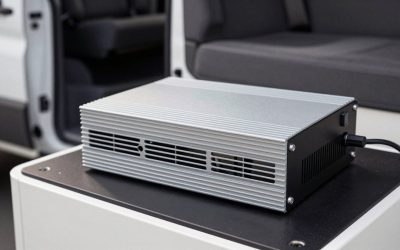
When untethered from shore power, converting stored energy from lithium or AGM battery banks into usable household electricity requires matching your power draws with the best inverters for RVs. Here, pure sine wave output with Total Harmonic Distortion (THD) under 3% is non-negotiable to prevent overheating sensitive laptops and medical devices. Finally, remaining connected while traveling demands robust signal hardware. Exploring the best WiFi boosters for RVs reveals that high antenna gain (measured in dBi), dual-band 2.4GHz/5GHz amplification, and weather-sealed external housing are the primary factors that determine how reliably you can pull weak campground signals across long distances.
Tire Safety, Rig Stabilization, and Entry Systems
Towing or driving a multi-ton vehicle at highway speeds demands uncompromising attention to mechanical safety and stationary stability. Catastrophic tire blowouts remain one of the leading causes of severe highway accidents and expensive sidewall body damage in the RV community. Equipping your rig with the best tire pressure monitors for RVs provides continuous, real-time wireless telemetry regarding tire PSI and internal temperature; the decisive specs to prioritize are high sensor transmission range, fast refresh rates, and custom adjustable high/low threshold alarms. Once safely parked at the campsite, keeping your rig immobile and vibration-free is the next objective.
Standard leveling jacks are designed for vertical support, not horizontal stabilization. Utilizing the best wheel chocks for RVs—particularly X-chock expanding designs that fit directly between tandem tires—locks wheel movement against momentum and drastically eliminates interior floor movement. Accessing your rig safely across uneven terrain requires solid footing underfoot. Upgrading to the best steps for RVs requires checking static weight ratings (minimum 300 to 400 lbs), adjustable leg lengths, self-stowing folding mechanisms, and wide anti-slip aluminum tread surfaces that prevent slips in wet or icy conditions.
Climate Control, Ventilation, and Outdoor Amenities
Creating a comfortable living space inside an enclosed RV requires active air circulation, humidity control, and efficient thermal management. Because tight quarters rapidly accumulate condensation from cooking, showering, and natural respiration, roof-mounted airflow systems are vital. Installing the best vent fans for RVs requires evaluating maximum Cubic Feet per Minute (CFM) output, variable speed controls, integrated rain sensors for automatic lid closure, and low amp draw to preserve battery capacity during off-grid stays. When temperatures drop during shoulder-season camping, running your onboard liquid propane furnace can exhaust fuel supplies rapidly.
Deploying one of the best space heaters for RVs offers a cost-effective alternative when connected to shore power. Decisive specs include ceramic heating elements, multiple power modes (such as 750W/1500W limits to avoid tripping breaker switches), and mandatory tip-over auto-shutoff safety sensors. Outside the vehicle, your awning acts as the main living room extension. Adding high-efficiency lighting from our guide to the best awning lights for RVs enhances campsite safety and ambiance; look for IP67 or higher waterproof ratings, UV-resistant mounting channels, dimmable controls, and low power consumption that won’t drain your system.
How to Choose Rvs: 5 Rules
- Verify Electrical System Compatibility and Continuous Load Limits: Always audit your rig’s specific amperage (30-amp vs. 50-amp shore connection) and match accessories to continuous wattages rather than peak surge ratings. Running high-draw heating elements or heavy power inverters on undersized wiring or improper extension cords creates severe fire hazards.
- Never Compromise on Water System Pressure Limits: RV plumbing lines rely on crimped PEX or flexible vinyl tubing secured with plastic fittings. Always install an inline water pressure regulator calibrated between 40 and 50 PSI at the municipal hose spigot before connecting water hoses to your RV inlet city connection.
- Prioritize Dynamic Load Limits and Real Weight Ratings: Whether selecting entry steps, wheel stabilization chocks, or tire monitoring systems, always calculate hardware capacity based on your vehicle’s Gross Vehicle Weight Rating (GVWR) rather than its dry weight. Overloading structural components causes rapid metal fatigue and unexpected structural failure.
- Demand True Marine and RV Waterproofing Ratings: Outdoor accessories like vent fans, WiFi antennas, and awning light strips face relentless UV exposure, high-speed wind during transit, and driving rain. Only purchase exterior gear rated at IP65 waterproof protection or higher with UV-stabilized polycarbonate housing.
- Choose Modular, Scalable Systems Over Proprietary Designs: Opt for power, filtration, and connectivity hardware that uses standardized fittings, non-proprietary filter cartridges, and universal wiring harnesses. Standardized gear ensures you can easily source replacement components at regional hardware stores when traveling in remote areas.
FAQ
What are the first essential accessories every new RV owner should buy before their first trip?
Before taking your first trip, you should immediately acquire a heavy-duty surge protector, an adjustable water pressure regulator, a fresh water hose with an inline sediment filter, and a durable sewer hose kit. These four foundational items protect your vehicle’s critical electrical and plumbing infrastructure from immediate physical damage and prevent sanitary hazards at campground utility pedestals.
How do I determine if an electrical accessory is safe for my specific RV setup?
Check the device’s continuous wattage and amperage ratings against your RV’s 30-amp (3,600W total limit) or 50-amp (12,000W total limit) distribution panel. Ensure all high-draw devices feature UL or ETL safety certifications and run pure sine wave technology if connected through a power inverter.
Why are residential household appliances and plumbing fixtures often unsuitable for RVs?
Residential appliances are constructed to remain stationary and typically cannot handle the constant physical shock, continuous vibration, and extreme temperature fluctuations experienced during highway travel. Additionally, residential water fixtures lack the standardized fittings and flow-rate restrictions designed specifically for mobile RV holding tanks and low-volume water pumps.
How often should I inspect and replace critical RV safety equipment like surge protectors and sewer hoses?
Perform a thorough physical inspection of all rubber seals, electrical blades, water gaskets, and flexible hoses at the start of every camping season and before every long-distance road trip. Replace sewer hoses instantly at the first sign of surface abrasion or pinhole leaks, and test electrical surge protectors using built-in diagnostic LEDs prior to plugging your main shore power cord into any campsite pedestal.