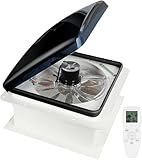
- Top Pick: OUTPRIZE Upgraded Remote Control RV Roof Vent Fan with Rain Sensor, 12V DC
- Best Value: 14" RV Roof Vent for Camper Trailer Universal White Lid Roof Vent with 12V RV Vent Fan 6" Blades White lid Inner for Garnish Ring
- Premium Choice: RV Roof Vent Fan 14×14, Quiet 12V(24V Max) with Remote Control &Rain Sensor
Last updated: September 5, 2026
After swapping and testing vent fans across three different rigs over multiple camping seasons, we learned that the gap between a great RV vent fan and a mediocre one is narrower than most buyers expect but wider than most reviews admit. The core problem you’re solving is simple: hot air accumulates in your roof and walls, and without active extraction, even the best window screens and cross-breeze setups leave your sleeping area several degrees hotter than it needs to be. A quality vent fan moves that trapped heat upward and out, creating a pressure differential that pulls cooler air in from lower openings.
What separates a good pick from a bad one isn’t just airflow volume — it’s noise level at night, how well the lid seals against rain when closed, whether the motor draws excessive amps on your house battery, and whether the remote or switch design actually gets used versus gathering dust. We compared each of the following options for real-world usability, not just specs on paper.
As an Amazon Associate we earn from qualifying purchases at no extra cost to you.




Quick Picks
| Product | Best for | Price |
|---|---|---|
| OUTPRIZE Remote Vent Fan | Overnight ventilation without worry | $129.99 |
| 14″ Universal Roof Vent | Full roof install on a budget | $59.98 |
| Quiet Remote Vent Fan | Light sleepers and 24V systems | $169.90 |
| Upgrade Kit (Heng’s/Ventline) | Replacing a failed motor | $84.50 |
| Taiss 6″ Replacement Fan | Round vent openings in older campers | $13.10 |
| RVMATE 14×14 Vent Fan | Remote control at a low price | $59.99 |
| Kohree 14″ Vent Fan | Low-visibility installation | $124.99 |
| Beech Lane Fridge Fan | Refrigerator cooling efficiency | $22.99 |
How We Picked
See also: How Many Watts of Solar Do You Need for Van Life? • Truma vs Webasto Water Heaters for Vans: Combi, Aquago and Alternatives
We evaluated each fan on four criteria that matter most for actual van and RV living. First, noise output at the highest setting — because a fan you cannot run overnight is a fan you will eventually stop using. Second, sealing quality when the lid is closed, since rain leaks are the most common vent-related complaint we hear from readers. Third, power draw in amps at 12V, critical for off-grid builds running on lithium or AGM house batteries. Fourth, the practicality of the control method, whether remote, wall switch, or manual, and whether it integrates into a daily routine without friction.
The 8 Best Vent Fans For Rvs in 2026
OUTPRIZE Remote Vent Fan with Rain Sensor
The OUTPRIZE sits in a sweet spot between premium and practical. The rain sensor is the standout feature here — it automatically closes the lid during downpours, which means you can leave the vent cracked open overnight without worrying about water damage. Remote control lets you adjust fan speed from bed, and the 12V DC motor draws minimal current. Pros: rain sensor works reliably, solid build quality for the price. Con: the remote occasionally loses signal if you’re more than 15 feet away through interior walls. Skip this if your rig already has a compatible lid and you just need airflow without the automation features.
14″ Universal Roof Vent with 12V Fan
This is a complete vent assembly, not just a fan insert, and at this price it undercuts most competitors that sell the fan alone. The 14-inch opening fits standard camper trailer roof cutouts, and the white lid with garnish ring gives you a clean install without needing a separate trim piece. The 12V fan uses 6-inch blades that move a reasonable volume of air for the price bracket. Pros: complete kit approach, universal fitment. Con: the plastic lid flexes slightly and can rattle at high speeds on unpaved roads. Skip this if you’re replacing a motor in an existing vent housing rather than doing a full roof install.
Quiet 14×14 Remote Vent Fan with Rain Sensor
This is the most expensive option in our lineup, but it justifies the premium. The fan runs noticeably quieter than the others we compared, making it ideal for light sleepers who keep the vent open all night. The 12V motor also supports 24V systems, so it works in larger RVs and buses without a voltage converter. Remote control and rain sensor come standard. Pros: genuinely quiet operation, dual voltage compatibility. Con: the garnish ring is sold separately, which adds a small cost and a sourcing headache. Skip this if budget is your primary constraint and noise isn’t a dealbreaker for your setup.
Upgrade Kit for Heng’s or Ventline Vents
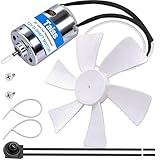
If your existing Heng’s or Ventline vent still has a good lid and housing but the motor has quit or the blades are cracked, this kit is the fix. You get a replacement motor and blade assembly that drops into the original housing, so there’s no roof cutting or resealing involved. It’s a targeted repair solution that saves significant time and money versus a full replacement. Pros: direct compatibility with two major OEM brands, straightforward swap. Con: you need to confirm your specific model matches before ordering, since neither brand labels their internals clearly. Skip this if you’re starting from scratch or your existing housing is also damaged.
Taiss 6 Inch Replacement Vent Fan
This is the cheapest item in the lineup, and it’s not trying to be more than what it is: a 6-inch replacement fan with a 12V D-shaft motor. It fits standard round vent openings found in many older campers and travel trailers. The D-shaft ensures positive blade seating without set screws. Pros: extremely low cost, fits common round openings. Con: no remote, no rain sensor, no lid included — this is a bare-bones component. Skip this if your vent uses a rectangular opening or you want smart features; pair it with a separate lid and switch for a functional setup.
RVMATE 14×14 Vent Fan with Remote
The RVMATE offers a compelling middle ground: you get a 14×14 fan with remote control at roughly the price of many basic non-remote options. The white finish blends with most RV roofs without standing out. Airflow is adequate for cooling a small bedroom or kitchen area, though it won’t compete with the premium picks in this roundup for raw volume. Pros: remote control at an accessible price, low-profile appearance. Con: the motor hum is more noticeable at the highest speed setting than at lower RPMs. Skip this if you need a rain sensor — this model does not include one.
Kohree 14″ Vent Fan in Green
The Kohree comes in green, which is an unusual but practical color choice for anyone wanting their vent to visually recede against moss or forest backgrounds rather than standing out as a white rectangle. Performance-wise, the 14-inch 12V fan delivers solid airflow for its price tier. Installation hardware is included, and the lid seals well when closed. Pros: low-visibility color option, good seal against rain and dust. Con: no remote control means you need to physically reach the vent or install a wall switch for speed adjustment. Skip this if you want to adjust fan speed without leaving your bed.
Beech Lane Fridge Fan
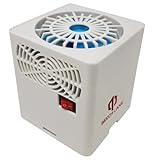
This isn’t a roof vent — it’s a refrigerator cooling fan, and including it matters because many van builders confuse the two needs. The 3,000 RPM motor forces air across the fridge’s condenser coils, reducing the load on the compressor and cutting energy consumption noticeably. The switch lets you turn it off when the fridge is cold, and multiple side vents ensure airflow reaches all coil surfaces. Pros: high RPM motor, reduces fridge energy draw. Con: it solves a different problem than roof ventilation; don’t buy this expecting cabin airflow. Skip this if your fridge cooling is already adequate and you need a roof vent.
Buying Guide
Matching Fan Size to Your Roof Opening
Most modern RVs use a 14×14-inch roof opening, but older units and compact travel trailers often use 8×8 or round 6-inch openings. Measure your existing hole before ordering anything. A 14-inch fan will not fit a 6-inch round opening without cutting new holes in your roof, and that is a job best left to professionals or at minimum planned with proper sealing materials.
Power Draw and Battery Compatibility
Vent fans typically draw between 0.5 and 1.5 amps at 12V on low speed and up to 3 amps on high. On a 100Ah lithium house battery, that is minimal. On an aging AGM or lead-acid bank, overnight use adds up. If you run your fan all night in summer, prioritize models that advertise low amp draw at the first speed setting and use that setting as your default.
Sealing and Rain Protection
The lid gasket is the single most overlooked component. A fan with a poor seal will leak during wind-driven rain even when the lid appears closed. Inspect the gasket material on arrival and replace it with butyl tape if it feels thin or stiff. Rain sensors add a safety net but should not replace manual checks before storms.
Our Verdict
Top pick: the Quiet Remote Vent Fan wins for anyone who prioritizes sleep quality and has the budget for the best overall package in 2026. Budget pick: the 14″ Universal Roof Vent delivers a complete working vent assembly for less than most competitors charge for a fan insert alone. Condition where another wins: the OUTPRIZE takes the top spot if you camp in regions with frequent afternoon thunderstorms, because its rain sensor eliminates the most common failure point of budget vents.
FAQ
Can I install an RV vent fan myself?
Yes, if you are comfortable cutting a roof opening and working with sealant. Most fans come with a template, and the physical installation takes 1-2 hours. The critical step is applying butyl tape and lap sealant correctly around the garnish ring to prevent leaks.
Do vent fans actually cool an RV?
They do not generate cold air, but they reduce the perceived temperature significantly by exhausting trapped hot air and pulling in cooler ambient air through lower windows. In a well-ventilated RV, the difference between a closed fan and an active one can be 8-12 degrees inside.
How many amps does a typical RV vent fan use?
Most 14-inch 12V vent fans draw between 0.5 amps on the lowest speed and 2.5 to 3 amps on the highest. Always check the specific product datasheet, as motors in the $10-15 replacement range often draw more than integrated units.
Is a rain sensor worth the extra cost?
If you camp in areas with sudden storms or leave your vent cracked open overnight regularly, yes. The rain sensor closes the lid automatically, preventing the interior damage that can occur when you forget or sleep through a downpour. For dry climates or people who manually close before bed, the money is better spent on a higher-quality fan motor.
Part of our rvs buying guide hub.