- Top Pick: TDSYOCG Electric Retractable Rv Steps, Double Layer Electric RV Step with Bright LED Lighting, 400 LBS Capacity Foldable Aluminum Alloy Frame & Non-Slip Surface for RV Camper Van Caravan
- Best Value: VEVOR RV Steps, 2-Step, 440 lbs Load Capacity, Electric Retractable RV Stairs, Telescopic Folding Aluminum Alloy Camper Steps, Steel Frame Non-Slip Entry Stair for Camper Van Motorhome Travel Trailer
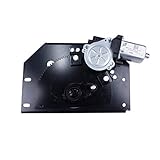
- Premium Choice: Kwikee 28 Series Electric Step Frame Assembly for RV, Travel Trailers, and Motorhomes, Hidden Light, 8.5" Step Rise, Anti-Slip Surface, Heavy-Gauge Steel Construction – 3747457

RV Electric Retract Step: Best Automatic Steps for Vans & Motorhomes
TL;DR Quick Answer
An RV electric retract step automatically extends when you open the door and retracts when you close it — eliminating the tripping hazard of a fixed step and protecting the step from trail obstacles and parking garage clearance issues. Quality single steps handle 300–600 lbs. Expect to pay $150–$400 for a reliable unit with an integrated door sensor. Installation takes 2–4 hours with basic wiring skills. One of the highest-impact upgrades for daily-driver vans.
If you’re entering and exiting your van dozens of times a day — especially with arms full of gear, groceries, or camera equipment — a fixed step or no step at all is a constant friction point and a genuine fall risk. An RV electric retract step solves this cleanly: the step appears when you need it and disappears when you don’t. For high-roof vans with a raised floor, an electric step can be the difference between comfortable daily use and a van that’s awkward to live in.
As an Amazon Associate we earn from qualifying purchases.




This guide covers step types, load ratings, wiring requirements, installation considerations, and the best options for van and RV applications in 2026.
🛒 Best Price Today on Amazon
Prime members get fast, free shipping on everything above, plus member-only deals. New members get a 30-day free trial — cancel anytime.
Start 30-Day Prime Free Trial →See Today’s Amazon DealsTop Picks: RV Electric Retractable Steps
BEST OVERALL — SINGLE ELECTRIC STEP
24″ Electric RV Step with Door Sensor & 500lb Capacity


As an Amazon Associate we earn from qualifying purchases. Product prices and availability are accurate as of the date/time indicated.
BEST DOUBLE STEP — HIGH ENTRY
Double Folding Electric Entry Step with Auto-Retract

WAYSKA Diesel Heater 12V, 5L Tank, Diesel Heater 2KW, Muffler, Diesel Parking Heater with LCD Monitor & Remote Control for Trucks, Trailer, Boat and Motor-Home


As an Amazon Associate we earn from qualifying purchases. Product prices and availability are accurate as of the date/time indicated.
BEST BUDGET — MANUAL FOLD STEP
Fold-Up RV Entry Step with Non-Slip Tread

Ivation Portable Camping Shower | Compact Handheld & Hands-Free Rechargeable Outdoor Shower Head & Cleaning System w/ 3.7V Pump, 6-Ft Hose, Bidet Head, Removable Filter, Multiuse Hook & USB Cable


As an Amazon Associate we earn from qualifying purchases. Product prices and availability are accurate as of the date/time indicated.
Types of RV and Van Entry Steps
See also: Best Ways to Keep a Van Tidy on the Road • Best Cyber Monday Cologne Deals
Electric Automatic Steps (Best for Full-Time Use)
Electric retractable steps use a 12V DC motor to extend and retract the step platform via a scissor or slide mechanism. They connect to your van’s door switch circuit — the same circuit that triggers your interior dome light — so the step extends when the door opens and retracts when it closes. Better units include an override switch inside and outside the van, a safety timeout that retracts the step if the door is left open too long, and an obstacle detection feature that stops retraction if something is blocking the step.
Extension depth varies by model: most single steps extend 7–12″ from the door sill. Double-step units extend further, adding a second tread 8–10″ below the first. For high-roof cargo vans with a raised floor (common in converted vans with insulation and flooring), a double step or extended single step is often needed to reach a comfortable stride height.
Manual Fold-Up Steps
A hinged step that folds up manually when not in use, typically secured with a latch or bungee cord. No electrical connection required. Much cheaper ($40–$100) and simpler, but you must remember to fold it up before driving — a step left extended at highway speed can be damaged or torn off. Also a genuine hazard in a parking garage or on a narrow trail where the extended step hits an obstacle. Manual fold steps work for occasional-use builds or as a backup if you want the simplicity of no wiring.
Fixed Hitch Steps and Nerf Bars
Fixed steps that mount permanently to the van’s hitch receiver or door sill. Always extended, always available, zero electrical complexity. The downside is exactly what you’d expect: a permanently extended step reduces ground clearance (critical on off-road or forest road travel), gets bent by curbs and obstacles, and in many states reduces the legal width of the vehicle. Fixed steps work for primarily urban or highway use where clearance isn’t a concern. For adventure builds with any off-pavement driving, they’re a liability.
Powered Running Boards
OEM and aftermarket power running boards are available for pickup trucks and some SUVs, deploying when a door opens and tucking under the vehicle when closed. These are not typically available for cargo vans but are worth noting for van conversions on a pickup-based platform. Retro-fit options from brands like AMP Research bolt to the frame rails and include their own control module — a clean but expensive solution ($800–$2,000 installed).
RV Electric Step Comparison Table
| Step Type | Power | Load Rating | Extension | Cost | Best For |
|---|---|---|---|---|---|
| Electric Auto (Single) | 12V DC | 300–600 lbs | 7–12″ | $150–$300 | Full-time daily use |
| Electric Auto (Double) | 12V DC | 300–500 lbs | 14–20″ | $250–$450 | High floor / raised builds |
| Manual Fold-Up | None | 300–400 lbs | 8–14″ | $40–$120 | Occasional use, budget |
| Fixed Hitch Step | None | 300–600 lbs | Fixed | $30–$80 | Urban, highway-only |
| Power Running Board | 12V DC | 600+ lbs | Full length | $800–$2,000 | Truck-based platforms |
How to Install an Electric Retractable Step in a Van
Step 1: Choose the Mount Location
Most electric steps mount to the van’s door sill frame — the structural steel just inside and below the door opening. On a Transit or Sprinter, this sill is solid and thick enough to support the step’s rated load. Measure the door opening width and the sill depth before ordering. Most steps come in 24″, 26″, or 30″ widths — choose the widest that fits your door opening with 1–2″ clearance on each side.
Verify ground clearance in the retracted position. The step housing must clear your lowest ground clearance point — typically the underside of the van body or any bumper extensions. Measure with the step retracted fully and compare to your van’s actual ground clearance at the door sill location.
Step 2: Wire to the Door Switch Circuit
The step control module needs three electrical connections: 12V positive (constant, fused at the battery), 12V ground (chassis ground), and a door switch signal wire. The door switch wire is the trigger — it gets a positive signal when the door opens and goes to ground when closed, or vice versa depending on the van’s door switch polarity.
On a Ford Transit, the door switch wire is accessible at the door jamb switch connector or at the Body Control Module (BCM) if you’re tapping at the fuse box. Use a non-invasive tap connector or a proper T-tap with heat shrink to splice into the door signal wire — do not cut the original wire. Wrap all connections in self-amalgamating tape and route wiring away from moving door hinges and sharp edges.
Fuse the 12V power lead close to the battery — a 15A inline fuse for most single electric steps. The step motor draws 5–8A during extension/retraction and near zero at rest. Your existing 12V breaker panel may have a spare circuit you can use, or add a dedicated inline fuse holder from the battery.
Step 3: Bolt the Step Housing to the Sill
Most steps include a mounting bracket that bolts to the sill with 3/8″ or M10 hardware. Use stainless steel bolts and apply anti-seize compound — the sill area is exposed to road salt, moisture, and debris that will weld standard hardware in place within a year. Torque to manufacturer spec, typically 25–35 ft-lbs for sill mount bolts. Apply a bead of silicone around any bolt holes that penetrate into the van interior to prevent water intrusion.
Step 4: Test and Adjust
Open and close the door 10 times to confirm the step extends and retracts fully each cycle. Stand on the extended step at your full body weight and check for flex or creaking — some flex is normal, deflection more than 1/2″ under load suggests the mount needs reinforcement. Verify the step fully retracts before driving by having someone watch from outside while you close the door from inside. A step that doesn’t fully retract will be destroyed on the first parking curb you encounter.
For builds with significant shore power or 12V wiring already in place, route the step power lead along existing wire runs to keep the installation clean. A cluttered van underbody is harder to inspect and maintain — keeping wiring bundled and routed with loom keeps your build professional. Our guide on van leveling and stability equipment also covers ground clearance considerations that affect step placement.
Maintenance and Common Issues
Lubrication: The scissor mechanism and slide rails need lubrication every 6 months. Use a dry lubricant (PTFE spray or white lithium grease) on the pivot points and rails. Wet lubricants attract road grit and cause accelerated wear. The motor gearbox is sealed and does not require maintenance.
Slow extension/retraction: Usually caused by low battery voltage (below 12.2V) or corroded electrical connections. Check the connection at the battery first, then inspect the door switch signal wire splice. A step that runs slowly on a healthy battery may have a failing motor or a partially obstructed mechanism — inspect the slide rails for debris or damage.
Step won’t retract fully: Most commonly caused by a bent or warped step tread from impact. Inspect the tread for deformation. A step that was hit while extended will often have a slight upward bend that prevents full retraction. Minor bends can be straightened with careful pressure; significant damage requires a replacement tread assembly.
Water intrusion at mount bolts: Inspect the bolt holes at every seasonal check. A small bead of silicone applied when the step was installed will degrade over 2–3 years. Reapply sealant at the first sign of rust staining around the bolt holes.
FAQ: RV Electric Retract Step Questions
Will an electric step work if my van battery is dead?
If the step is in the retracted position when the battery dies, it stays retracted and you can still open the door normally — you just won’t have the step to use. If the battery dies while the step is extended (rare, but possible if the door was left open), most electric steps have a manual override: a release mechanism on the motor or housing that lets you retract the step manually. Check your specific step model’s manual for the override location before you need it. Always know where the manual override is on any electric step installation.
Can I install an electric step on a sliding door?
Yes, but it requires a sliding door-specific mounting solution. Sliding door sills are typically shallower and the door opening geometry is different from a hinged door. Some electric step brands offer sliding door mounting kits. The wiring trigger connects to the sliding door latch switch rather than a standard door jamb switch. Verify your van model is compatible before purchasing — Transit and Sprinter sliding door installations are well-documented; less common van models may require custom fabrication for the mount bracket.
What is the weight limit for an RV electric step?
Most quality electric steps are rated for 300–600 lbs static load. Dynamic load (stepping onto the step from ground level) is higher-impact — manufacturers typically spec their static rating conservatively to account for the dynamic loading of normal use. A 300 lb rated step is generally safe for individuals up to 250 lbs when considering a reasonable dynamic load factor. If you frequently step on with heavy packs or gear, choose a step rated at 400+ lbs. Never use the step as a working platform for tasks like cleaning the roof — that sustained load exceeds the design intent.
Do electric steps work in freezing temperatures?
Most electric steps function down to -20°F to -40°F per manufacturer specs, but performance degrades. Motor torque is lower in extreme cold, and ice accumulation in the mechanism can cause the step to bind or fail to retract fully. If you camp in freezing conditions regularly: use a dry lubricant rated for low temperatures (avoid petroleum-based lubricants that thicken in cold), keep the mechanism clear of snow and ice, and test extend/retract function before parking in a tight space where a stuck step could be a problem. Some vanlifers in cold climates add a simple cover over the step housing when parked in heavy snow to keep accumulation off the mechanism.
How much power does an electric step draw from the van battery?
An electric step motor draws 5–10 amps during the 2–4 seconds of extension or retraction, then drops to near zero (parasitic draw under 50mA for the control module). Total energy consumed per cycle is roughly 0.005–0.01 amp-hours — negligible even with 50 door open/close cycles per day (0.25–0.5 Ah daily). The step will not measurably affect your battery bank capacity or state of charge. Wire it on a fused circuit and don’t worry about the draw.
Frequently Asked Questions
How much power does an electric RV step draw?
The motor pulls roughly 10-20 amps at 12V for the two or three seconds it takes to cycle, so peak draw is real but energy use is trivial, under 1Wh per cycle. The controller itself draws a small parasitic current, which matters if the van sits unused for weeks.
Why does my step not retract when I start the engine?
Usually the ignition signal wire has lost continuity, or the door switch is stuck telling the controller the door is open. Check the door plunger switch first, then the ignition-sense wire and its inline fuse. A slow or grinding step is more often a seized linkage than an electrical fault.
Can I install an electric step myself?
It is a moderate job: bolt the frame to the body sill or a welded bracket, run a fused 12V feed straight from the battery, and tap ignition and door switch signals. Budget three to five hours. The awkward part is drilling accurately from underneath and getting the tread height right.
Will road salt and mud jam the mechanism?
That is the number one failure mode. Rinse the linkage after salted or muddy driving, then lubricate the pivot points and the motor gearbox with a dry PTFE or silicone spray, not chain grease. Grease attracts grit that grinds the bushings out and eventually stalls the motor.
Does the step have a manual override if the motor dies?
Most quality steps include an override, either a release pin that lets you fold it by hand or a reversible motor gear you can back-drive. Learn where it is before you need it, and carry the correct hex key. Always secure a manually deployed step before driving off.