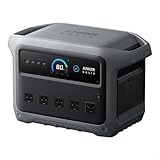
- Top Pick: Anker SOLIX C1000 Gen 2 Portable Power Station
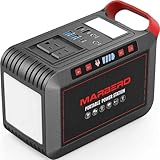
- Best Value: Portable Power Station 300W MARBERO 237Wh Camping Solar Generator Backup Lithium Battery with Pure Sine Wave 110V AC Outlet, USB C, USB A, DC for Outdoors Camping CPAP Home Blackout Emergency
- Premium Choice: VTOMAN FlashSpeed 300 Portable Power Station, 300W 230Wh LiFePO4 Battery
Last updated: October 4, 2026
Choosing the right van power station capacity is less about buying the biggest battery and more about matching stored energy to your daily routine. Many van owners make the same mistakes: they compare only the advertised wattage, assume a 1,000Wh unit will run everything overnight, or buy a small station because it is cheaper and lighter without adding up their actual loads.
A power station’s capacity is measured in watt-hours (Wh), while its ability to run an appliance is measured in watts (W). A 300W power station may store 230Wh, for example, but that does not mean it can operate every 300W appliance indefinitely. You must consider both the battery’s usable energy and the inverter’s continuous and surge output.
As an Amazon Associate we earn from qualifying purchases at no extra cost to you.


This guide explains how to choose van power station capacity in 2026, with practical ranges for weekend campers, remote workers, and full-time travelers.
Decide These 3 Things First
- List your appliances and daily runtime. Write down the wattage of your refrigerator, laptop, lights, fan, CPAP machine, camera batteries, and cooking equipment. Estimate how many hours each item runs per day.
- Choose your recharge method. A van power station may be recharged from shore power, a vehicle’s 12V outlet, solar panels, or a combination. A large battery is less useful if your charging system cannot refill it.
- Set a weight and budget limit. A 1,000Wh station can provide useful reserve power, but it may weigh 25 to 35 pounds and cost substantially more than a 200Wh model. Decide whether you need emergency backup or a central electrical system.
To estimate capacity, multiply watts by hours: a 60W laptop used for five hours consumes about 300Wh. Then add a 15% to 25% cushion for inverter losses and charging inefficiency. In this example, a 375Wh to 400Wh station is a more realistic minimum than a 300Wh model.
Capacity and Physical Size
See also: Best Ways to Keep a Van Tidy on the Road • Best Cyber Monday Cologne Deals
For a van, capacity usually falls into three useful groups:
- 200Wh to 300Wh: Best for phones, tablets, lights, camera batteries, small fans, and occasional laptop charging. These units often weigh about 5 to 10 pounds and are easy to store under a seat.
- 500Wh to 800Wh: A practical middle ground for one or two people. This range can cover electronics, lighting, a small compressor refrigerator, and short periods of medical-device use, depending on the load.
- 1,000Wh to 2,000Wh: Better for full-time van living, extended cloudy weather, multiple laptops, refrigeration, induction cooking, or higher-power tools. Expect more floor or cabinet space and commonly 20 to 50 pounds of weight.
Do not confuse capacity with size alone. Check the station’s actual dimensions, handle placement, and ventilation clearance. A unit measuring roughly 14 by 8 by 10 inches may fit beneath a bench, while a taller model may not slide under a bed even if its footprint looks compact. Leave several inches around air vents unless the manufacturer specifies otherwise.
The Anker SOLIX C1000 Gen 2, listed for under $500 in the example lineup, represents the higher-capacity category. By contrast, the MARBERO 237Wh and VTOMAN 230Wh models are compact choices for lighter loads. Their lower weight and price can be advantages when your van has limited storage.
Battery Material and Chemistry
Battery chemistry affects lifespan, weight, safety, and cost. Most current portable stations use either lithium-ion cells or lithium iron phosphate, commonly called LiFePO4.
Traditional lithium-ion stations are often lighter for their capacity and may have a smaller footprint. LiFePO4 stations are typically heavier, but they are generally favored for longer cycle life and strong thermal stability. The exact cycle rating varies by manufacturer and operating conditions, so treat a published number as a guideline rather than a guarantee.
For occasional weekend use, a 200Wh to 300Wh lithium-ion unit may be perfectly adequate. For daily charging in a full-time van, LiFePO4 is often worth considering. Models such as the VTOMAN FlashSpeed 300 and Daran 600W example use LiFePO4 batteries, while the listing and manual should be checked for the exact capacity, charge limits, and temperature requirements.
Also check whether the battery management system protects against overcharging, overheating, short circuits, and excessive discharge. Do not store any lithium power station in a hot, sealed compartment. High interior temperatures can shorten battery life regardless of chemistry.
Construction, Portability, and Van Fit
Construction matters because a power station in a moving vehicle experiences vibration, dust, temperature swings, and occasional drops. Look for a rigid housing, protected ports, a stable base, and a handle that does not flex under the unit’s full weight. A rubberized base can help prevent sliding on a countertop.
Portability is a capacity decision. A 6-pound station can move from the van to a picnic table, while a 30-pound unit may remain installed in one location. If you regularly camp outside the van, choose a handle design that can be carried with one hand and a shape that will not catch on storage bins.
Measure the intended storage space before ordering. Record the opening width, depth, and height, then compare those measurements with the product’s listed dimensions. Allow room for AC and solar cables. A station that technically fits but blocks a vent or prevents access to the main switch is not a successful installation.
Output, Inverter Performance, and Charging
Capacity answers “how long,” while output answers “what can it run.” A 237Wh station with a 300W inverter may handle a laptop, lights, and a small fan, but it may not run a 700W kettle or induction burner. The Daran example is rated at 600W with a 1,200W surge rating, which provides more starting headroom for certain motor-driven appliances.
Use continuous wattage for normal operation and surge wattage only for the brief startup demands of compatible devices. Do not plan to run an appliance continuously at the station’s maximum rating. Leave at least 20% of inverter capacity unused when possible.
Count the ports you will actually use. A useful van setup may need one 110V AC outlet, two USB-A ports, one or two USB-C ports, and a 12V DC outlet. USB-C power delivery is especially useful for modern laptops, but check its wattage. A 30W port may charge a phone quickly but may be too weak for a 65W laptop.
Charging speed also affects capacity. A 1,000Wh station that recharges quickly from AC or solar can be more practical than a larger station that takes much longer. Confirm the maximum solar input, whether the solar cable is included, and whether the station can charge while powering devices.
Price Tiers: What You Get
Budget, about $120 to $220: Expect roughly 200Wh to 300Wh, 200W to 600W of rated output, basic displays, and fewer ports. The MARBERO listing is under $150, the VTOMAN example is under $150, and the Daran example is under $250. These are sensible for electronics, lighting, and emergency use, but not for energy-intensive cooking.
Midrange, about $250 to $600: This tier commonly offers 500Wh to 1,000Wh, stronger inverters, faster charging, better displays, and more refined battery management. It is often the best value for a couple using a refrigerator, laptops, lights, and small appliances.
Premium, about $600 to $1,500 or more: Larger capacities, expandable batteries, stronger solar inputs, app controls, multiple high-output ports, and longer warranties become more common. The under-$500 Anker SOLIX C1000 Gen 2 example sits near the upper end of many midrange purchases, depending on its current configuration and included accessories.
Compare cost per usable watt-hour, not just the sticker price. A $400 station rated at 800Wh costs 50 cents per advertised Wh before accounting for losses. Accessories, solar panels, and replacement cables can add $50 to $500 to the total setup.
Warranty and Support
A van power station should have at least a two-year warranty, with longer coverage preferred for a unit used daily. Read whether the warranty covers the battery, inverter, display, and charging accessories or only manufacturing defects in the main housing.
Look for a manufacturer with a published support process, downloadable manuals, replacement-cable availability, and clear storage instructions. A warranty may be limited if the unit is modified, opened, exposed to water, or operated outside the recommended temperature range.
Keep your receipt, serial number, and purchase date. For a full-time van, support is not a luxury: a failed charging port or inverter can affect refrigeration, communication, and medical equipment.
Delivery, Setup, and Daily Use
Portable stations normally arrive ready to use, but setup still deserves attention. Confirm whether the box includes the AC charging cable, car-charging cable, solar adapter, and any necessary connector. A solar panel is frequently sold separately.
Before placing the unit in the van, charge it fully, test every port, and run your most important appliance for at least 30 minutes. Keep the station dry and secure it so braking cannot turn a 30-pound battery into a projectile. If connecting it to a permanent electrical system, use a qualified installer rather than improvising a connection to the van’s wiring.
For delivery, check the return window and package inspection policy. Photograph shipping damage immediately. A heavy station may require a low storage position because lifting 25 to 50 pounds in a cramped van can be awkward and unsafe.
Spec Checklist
| Spec | Budget | Mid | Premium |
|---|---|---|---|
| Capacity | 200–300Wh | 500–1,000Wh | 1,000–2,000Wh or expandable |
| Continuous AC output | 200–400W | 500–1,000W | 1,000–2,000W+ |
| Battery chemistry | Lithium-ion or LiFePO4 | Prefer LiFePO4 | LiFePO4, often expandable |
| Typical weight | 5–10 pounds | 15–30 pounds | 25–50 pounds |
| Useful ports | AC, USB-A, USB-C, 12V DC | Multiple AC and USB ports | High-output AC, USB-C, solar, expansion |
| Typical price | $120–$220 | $250–$600 | $600–$1,500+ |
Red Flags
- A capacity rating with no clear battery chemistry or usable-energy guidance.
- A high surge number used to distract from a very low continuous wattage rating.
- No published dimensions, weight, temperature range, or safety protections.
- Only USB charging when you need AC power or a 12V refrigerator connection.
- A suspiciously low price paired with a very large capacity claim.
- No clear warranty, return policy, manual, or replacement-cable support.
- Ports positioned where cables would block cooling vents in a tight van cabinet.
FAQ
How many watt-hours do I need for a van?
For phones, lights, and occasional laptop use, 200Wh to 300Wh may be enough. A refrigerator, laptop, fan, and daily electronics usually justify 500Wh to 1,000Wh. Add capacity for cloudy weather, medical equipment, or cooking appliances.
Can a 300W power station run a refrigerator?
Possibly, if the refrigerator’s startup surge is compatible and its average energy use is low. Check both the refrigerator’s running and starting wattage. Capacity still determines runtime, so a 230Wh station may need frequent recharging.
Is LiFePO4 worth paying more for?
Usually, if you charge and discharge the station frequently. LiFePO4 models often offer longer cycle life and good thermal stability, while lithium-ion models can be lighter and less expensive for occasional trips.
Should I buy the largest power station I can afford?
No. Buy enough capacity for your calculated daily load, then add a 20% to 25% reserve. Oversizing increases cost, weight, and storage demands. If your needs may grow, an expandable midrange station can be more practical than an oversized fixed unit.