- Top Pick: 12V 100Ah LiFePO4 Battery, 1280Wh Lithium Battery Group 31 Smart 100A BMS, 15000+ Deep Cycles 10-Year Lifespan Low Temp Protection Lightweight Max 4P4S 1280Wh for Trolling Motor, RVs, Marine, Off-Grid
- Best Value: 12V 100Ah LiFePO4 Battery, Group 24 Deep Cycle for RV/Boat (2 PACK)
- Premium Choice: ECO-WORTHY EnergyRock 12V 280Ah Metal Case LiFePO4 Lithium Battery
Last updated: September 7, 2026
🛒 Best Price Today on Amazon
Prime members get fast, free shipping on everything above, plus member-only deals. New members get a 30-day free trial — cancel anytime.
Why Lithium Batteries Are the Best Choice for Van Life
Upgrading to lithium (LiFePO4) batteries is one of the most impactful decisions in a van build. Compared to traditional AGM or flooded lead-acid batteries, lithium offers 2–4x the usable capacity, much longer cycle life (2,000–5,000+ cycles), faster charging, and significantly less weight. For full-time van lifers running a fridge, fan, and electronics, lithium is the clear winner. Here are the top options, plus everything you need to size and protect your bank.
As an Amazon Associate we earn from qualifying purchases.


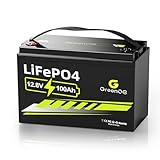


1. Battle Born 100Ah LiFePO4 Battery
Battle Born is the most trusted name in drop-in lithium batteries for van and RV builds. Their 100Ah 12V LiFePO4 battery is built in the USA, includes a built-in BMS, and is backed by a 10-year warranty. It can be used in parallel for expanded capacity and is compatible with most standard charging systems. The reputation for reliability and responsive customer support is a big part of why so many full-time builders choose Battle Born even at a premium price.

As an Amazon Associate we earn from qualifying purchases. Product prices and availability are accurate as of the date/time indicated.
2. Renogy 200Ah Lithium Iron Phosphate Battery
Renogy’s 200Ah lithium battery offers excellent value for the capacity. It’s a popular choice for van builds that need serious storage without paying premium-brand prices. The integrated BMS handles overcharge, over-discharge, and temperature protection. Getting 200Ah in a single case also simplifies wiring compared to running two 100Ah units in parallel, which appeals to DIY builders who want capacity with fewer connections to manage.


As an Amazon Associate we earn from qualifying purchases. Product prices and availability are accurate as of the date/time indicated.
3. Victron Energy LiFePO4 Smart Battery
For advanced builders, Victron’s smart lithium batteries integrate directly with the Victron ecosystem via Bluetooth and VE.Bus. They support advanced BMS features and are ideal for complex, multi-battery systems with sophisticated monitoring and balancing. If you’re already running Victron charge controllers and inverters, staying in the ecosystem gives you a single app and seamless communication between components.![Sprinter van camper conversion DIY guide [Booklet]](https://m.media-amazon.com/images/I/41ry1gzewgL._SL400_.jpg)
As an Amazon Associate we earn from qualifying purchases. Product prices and availability are accurate as of the date/time indicated.
Buying Guide: Choosing the Right Lithium Battery
See also: Best Ways to Keep a Van Tidy on the Road • Best Cyber Monday Cologne Deals
- Capacity: 100Ah is a starting point; most full-time van lifers run 200–400Ah of lithium.
- Built-in BMS: Essential for protection against overcharge, over-discharge, and short circuits.
- Drop-in Compatibility: LiFePO4 chemistry works with most existing 12V charging systems—verify your alternator and charger settings.
- Weight: Lithium is 50–60% lighter than lead-acid at equivalent capacity.
- Charging Speed: Lithium accepts charge faster—great for quick top-ups via alternator while driving.
- Temperature Range: Check low-temp charging cutoffs if you build in cold climates.
How Much Battery Capacity Do You Actually Need?
The honest answer is that it depends on your loads, but you can estimate it in an afternoon. List every device you run — fridge, roof fan, lights, laptop, phone, water pump — and multiply each device's wattage by the hours per day you use it to get watt-hours. Add them up, then divide by 12 to convert to amp-hours. A typical full-time setup with a 12V fridge, a fan running much of the day, and daily laptop and phone charging lands somewhere around 100–200Ah of daily consumption.
Because you can safely use nearly the full rated capacity of LiFePO4 (unlike lead-acid, where you should only draw down to about 50%), a 200Ah lithium bank genuinely delivers close to 200Ah of usable energy. That real-world usable capacity is the biggest practical reason lithium outperforms a nominally similar lead-acid bank. Size your bank to cover at least one full day of use with margin for a cloudy day, and you'll rarely feel constrained.
Understanding the BMS and Cold-Weather Charging
Every quality lithium battery includes a Battery Management System (BMS) — the internal electronics that protect the cells from overcharge, over-discharge, excessive current, and unsafe temperatures. The BMS is what makes modern LiFePO4 batteries safe and largely maintenance-free, but it also introduces one rule cold-climate van lifers must respect: most lithium batteries will not accept a charge below freezing (32°F / 0°C), and the BMS will block charging to protect the cells. If you winter camp, either choose a battery with a built-in low-temperature heater, keep the bank in a heated interior space, or plan to warm it before charging. Discharging in the cold is generally fine; it's charging below freezing that causes damage.
Frequently Asked Questions
Can I drop lithium batteries into my existing lead-acid van system?
Often yes, but verify your charging sources first. LiFePO4 batteries are "drop-in" in the physical sense, but they charge at different voltages than lead-acid. Your solar charge controller, DC-to-DC charger, and any shore-power charger should have a lithium profile you can select. An older alternator or a fixed-voltage charger set for lead-acid may undercharge lithium or, in rare cases, overwork the alternator — so confirm each charging device is lithium-compatible or adjustable before swapping.
How long do lithium van batteries last?
LiFePO4 batteries are rated for roughly 2,000–5,000+ charge cycles, and many quality units carry warranties of up to 10 years. In practical terms, that often means a decade or more of daily van life use before capacity meaningfully degrades — far longer than the 3–5 years typical of lead-acid banks that get deeply cycled. The long lifespan is a major reason lithium's higher upfront cost works out cheaper per usable amp-hour over the life of your build.
Is it safe to run lithium batteries inside the van's living space?
Yes. LiFePO4 (lithium iron phosphate) is a very stable chemistry and does not off-gas hydrogen the way flooded lead-acid batteries do, so it can be safely mounted inside your living area without a vented battery box. This is actually an advantage in cold climates, where keeping the bank in the heated interior prevents the below-freezing charging problem. Always follow the manufacturer's installation guidance for fusing and mounting, but there's no venting requirement as there is with flooded batteries.
Why can't I charge my lithium battery when it's freezing?
Charging a standard LiFePO4 cell below 32°F (0°C) causes lithium plating on the anode, which permanently damages the battery — so the BMS blocks charging in the cold to protect it. Discharging in freezing temperatures is fine; it's only charging that's restricted. Winter van lifers work around this by choosing batteries with built-in self-heating, mounting the bank in a heated interior, or warming it before charging. Always check a battery's low-temperature cutoff spec if you plan to camp in the cold.
Should I buy one large battery or several smaller ones?
Both approaches work, and it's largely about installation preference. A single large battery (like a 200Ah unit) means fewer connections and simpler wiring, which reduces potential failure points. Multiple smaller batteries in parallel offer flexibility — you can start with 100Ah and add more later, distribute weight around the van, and replace one unit if it fails without scrapping the whole bank. For most builders, matching total capacity to your daily needs matters more than the exact number of cases you split it across.
Final Thoughts
Lithium batteries are the single best upgrade for a van power system. The upfront cost is higher than lead-acid, but the longer lifespan, higher usable capacity, and lower weight make it worth every dollar. Start with 100–200Ah and scale up as your power needs grow.