Last updated: October 4, 2026
Stepping into the market for a high-end camper build requires looking past polished marketing photos and evaluating the actual engineering that keeps you comfortable on the road. In 2026, the demand for turnkey living spaces has pushed outfitters to offer sophisticated interiors, but a higher price tag does not automatically guarantee long-term durability or ergonomic sanity. When you evaluate a luxury conversion van interior package for comfort travel, your focus must shift from surface-level styling to how the cabin handles daily movement, climate shifts, and off-grid power demands.
Making the right choice means understanding the intersection of weight distribution, material science, and modular functionality. Whether you are ordering a custom layout or purchasing a pre-fabricated modular kit, knowing which specifications genuinely impact your travel experience will save you thousands of dollars and endless frustration. Let’s break down the critical factors that separate a genuinely comfortable mobile suite from an expensive temporary shelter.
As an Amazon Associate we earn from qualifying purchases at no extra cost to you.

- Evaluating Structural Compatibility and Layout Baselines
- Material Durability Versus Aesthetic Appeal
- Thermal and Acoustic Insulation Specifications
- Power Integration and Electrical Infrastructure
- Seating Ergonomics and Multi-Use Bed Systems
- Cabinetry Weight Distribution and Hardware Quality
- When to Invest in Custom Upgrades Over Standard Packages
- Related Guides
- FAQ
- Related Guides
Evaluating Structural Compatibility and Layout Baselines
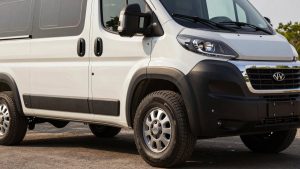
Before falling in love with leather upholstery or premium wood veneers, you must verify how the interior package interfaces with your specific van chassis. High-roof models vary significantly in wall curvature, floor rib patterns, and overall interior width across different manufacturer platforms. A luxury package designed for one specific wheelbase will rarely fit another without custom shimming or destructive modifications. Look for packages that utilize precision CNC-machined framing secured directly to factory factory-approved tie-down points, ensuring the structure remains rigid on washboard dirt roads without developing squeaks and rattles over time.
Material Durability Versus Aesthetic Appeal
See also: MaxxFan Deluxe vs Fantastic Fan for Vans: Which to Choose? • Can I Lay LVP in a Van? Van Flooring Guide
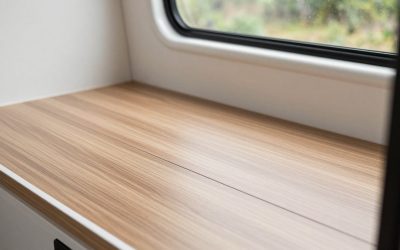
Luxury in a mobile environment means resisting moisture, temperature swings, and physical impacts while maintaining a refined appearance. Avoid packages that prioritize delicate domestic furniture materials like soft-grain hardwoods or unsealed laminates that warp when exposed to high relative humidity. Instead, look for marine-grade plywood substrates, high-pressure laminates, anodized aluminum extrusions, and stain-resistant performance fabrics. These materials withstand the rigors of heavy gear loading, cooking grease, and pet paws while requiring minimal maintenance during extended trips.
Thermal and Acoustic Insulation Specifications
True comfort is largely invisible, dictated primarily by how well your van manages ambient temperature and outside noise. A superficial interior package that ignores foundational insulation will leave you freezing in the mountains or baking in the desert, regardless of how plush the mattress is. Insist on closed-cell spray foam, high-density mineral wool, or multi-layer composite insulation behind every wall panel. Furthermore, check whether the package includes insulated window covers and thermal break strips on aluminum framing members to prevent condensation buildup and thermal bridging.
Power Integration and Electrical Infrastructure
Modern comfort travel relies heavily on uninterrupted electricity to run induction cooktops, diesel heaters, refrigeration units, and charging stations. A quality interior package should feature a cleanly integrated electrical system rather than a chaotic maze of aftermarket wiring hidden behind cabinets. Look for configurations utilizing UL-listed lithium iron phosphate batteries, pure sine wave inverter-chargers, and accessible system displays. Proper fusing, appropriately gauged marine-grade wiring, and dedicated ventilation for electrical compartments are non-negotiable safety features you must verify before committing.
Seating Ergonomics and Multi-Use Bed Systems
Spending weeks on the road will quickly expose poorly designed seating and awkward bed conversions. Your interior package should feature automotive-grade passenger seating with certified seatbelts if you carry passengers, along with high-density foam cushions that offer proper lumbar support. For sleeping arrangements, permanent beds eliminate the nightly hassle of rearranging cushions, but if you need a convertible dinette system, look for gas-strut assists or interlocking slat mechanisms that operate smoothly with one hand.
Cabinetry Weight Distribution and Hardware Quality
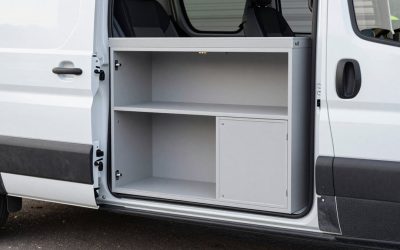
Weight management dictates your vehicle’s handling, braking distance, and fuel efficiency. A poorly designed luxury package can easily overload your rear axle, straining your suspension and creating dangerous handling characteristics on winding highways. Premium packages distribute heavy items like water tanks and batteries low and centrally within the wheelbase. Additionally, examine the cabinet hardware: positive-latching mechanisms, heavy-duty drawer slides, and gas struts are essential to prevent cabinet doors from swinging open during sharp turns or sudden stops.
When to Invest in Custom Upgrades Over Standard Packages
Standardized luxury packages offer predictable pricing and faster turnaround times, but they inherently require design compromises. If you have specific medical needs, travel with specialized oversized gear, or intend to live in your van full-time across extreme climates, a semi-custom or fully bespoke interior approach is usually worth the investment. Assess whether the base package allows modular expansion, enabling you to upgrade components like water capacity or battery banks later without tearing apart the entire cabinetry framework.
Related Guides
To compare specific brand lineups, material tiers, and pricing structures currently available, read our comprehensive compared and ranked overview before making your final purchase decision.
FAQ
Are pre-fabricated interior packages compatible with all high-roof van models?
Most modular packages are engineered specifically for standard high-roof chassis platforms like the Mercedes-Benz Sprinter, Ford Transit, or Ram ProMaster. Always verify wall curvature tolerances and floor anchor points with the manufacturer before ordering, as cross-platform retrofitting often requires costly custom fabrication.
How much weight does a typical luxury interior package add to the vehicle?
A complete luxury package typically adds between one thousand five hundred and two thousand five hundred pounds, including cabinetry, batteries, appliances, and water systems. You must calculate your remaining payload capacity to ensure you do not exceed the Gross Vehicle Weight Rating of your chassis.
Can I install a luxury interior package myself, or should I hire a professional?
While modular bolt-in kits are designed for DIY installation with basic hand tools, integrated electrical and plumbing systems require advanced technical competence. If the package involves complex lithium-ion battery integration or custom wall trimming, professional installation ensures structural safety and preserves manufacturer warranties.
What is the most critical feature to look for in a comfort-focused interior package?
Ergonomic seating and a permanent or easily convertible bed system top the list because sleep quality dictates your overall travel endurance. Coupled with adequate climate control insulation, these components dictate whether your van feels like a true sanctuary or a cramped box.