Last updated: October 4, 2026
Selecting a truck camper is one of the most exciting yet mechanically demanding milestones in the mobile living space. As the market evolves into 2026, manufacturers are packing incredible amenities into smaller footprints, but the fundamental physics of hauling a mobile home on a truck bed remain unchanged. Too many buyers make the critical mistake of falling in love with interior layouts, interior finishes, and plush dinettes before ever looking at the payload capacity printed on their truck’s door jamb.
Navigating this niche requires stripping away the marketing fluff and focusing on hard operational realities. Whether you plan to tackle remote backcountry forest service roads or park at developed campgrounds, your setup’s safety, longevity, and comfort depend entirely on matching your vehicle’s capabilities with the right camper architecture. This guide cuts through the confusion to highlight the exact specifications, design choices, and structural details that actually matter when making your investment.
As an Amazon Associate we earn from qualifying purchases at no extra cost to you.

- Understanding Payload Capacity: The Ultimate Constraint
- Hard-Side Versus Pop-Up: Weighing Weather and Weight
- Floor Plans and Bathroom Configurations
- Power Systems: Lithium Upgrades and Off-Grid Viability
- Four-Season Insulation and Climate Control
- Tie-Downs, Turnbuckles, and Frame-Mounted Stability
- When to Spend More on Premium Build Materials
- Related Guides
- FAQ
- Related Guides
Understanding Payload Capacity: The Ultimate Constraint
The single most important factor in choosing a truck camper is payload capacity. Every truck has a maximum cargo carrying capacity, which includes all passengers, aftermarket accessories, fuel, and the wet weight of the camper itself. Exceeding this rating risks suspension failure, compromised braking distances, and dangerous handling dynamics in crosswinds or emergency maneuvers. Always look at the specific yellow and white safety certification sticker on your driver-side door jamb rather than relying on generic towing guides or dry weights provided by manufacturers. Dry weights rarely account for full water tanks, propane, batteries, factory options, or personal gear, which can easily add several hundred pounds to the final tally.
Hard-Side Versus Pop-Up: Weighing Weather and Weight
See also: How Many Watts of Solar Do You Need for Van Life? • Truma vs Webasto Water Heaters for Vans: Combi, Aquago and Alternatives
Choosing between a hard-side camper and a pop-up model dictates how you will experience your environment. Hard-side campers offer rigid, insulated walls that provide superior protection against freezing temperatures, howling winds, and heavy rain, along with maximum interior storage cabinetry. However, they possess a higher center of gravity, increased wind resistance during transit, and a much heavier overall footprint. Pop-up campers feature collapsible canvas or vinyl sides that significantly lower the overall profile, reduce fuel consumption, and make navigating low-hanging branches much easier. The trade-off is reduced thermal performance in sub-freezing weather, louder ambient noise at campsites, and the need to manually or electrically raise the roof every time you stop.
Floor Plans and Bathroom Configurations
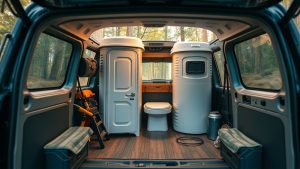
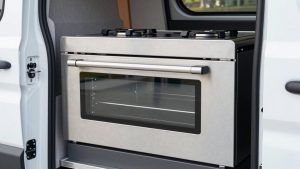
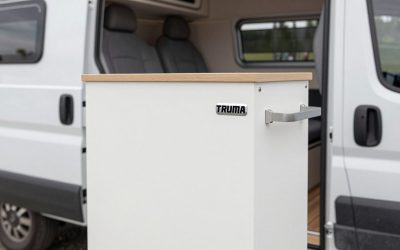
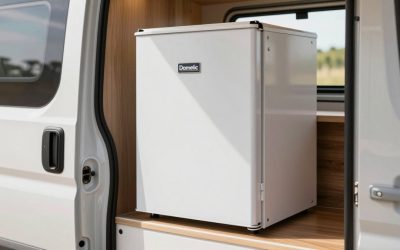
Interior layout choices dictate your daily routine and level of comfort during extended trips. Think critically about whether you truly need an interior wet bath, which combines a toilet and shower into a single waterproof enclosure, or a dry bath with a separate stall. While bathrooms offer immense convenience for boondocking, they consume valuable floor space and require managing larger grey water holding tanks. Consider your cooking habits as well; evaluate whether a two-burner indoor stove and a standard refrigerator suit your meals, or if you prefer a simpler layout that maximizes open floor space and lounging room. Bed orientation is another vital consideration, as north-south cab-over beds allow easy middle-of-the-night exits without climbing over your sleeping partner, whereas east-west configurations save significant overall length.
Power Systems: Lithium Upgrades and Off-Grid Viability
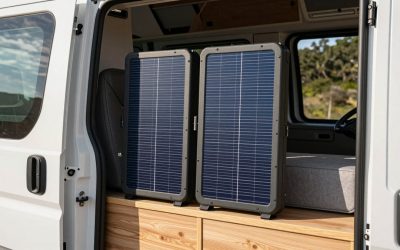
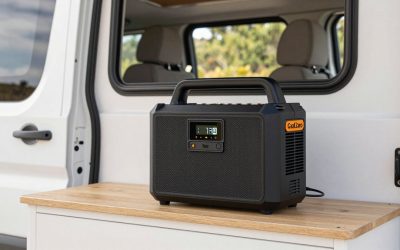
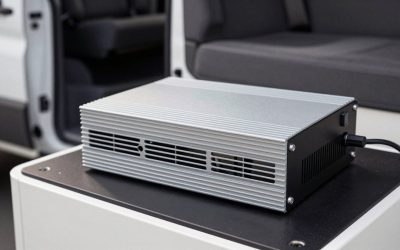
Modern truck campers rely heavily on robust electrical systems to sustain off-grid living without constant generator use. Look for setups featuring high-capacity lithium iron phosphate house batteries paired with adequate rooftop solar panel arrays and a quality DC-to-DC charger that replenishes your camper house bank directly from the truck’s alternator while driving. A well-designed electrical architecture ensures you can run modern appliances, charge communication devices, and power diesel heating systems for days at a time without anxiety. Evaluate the placement and accessibility of the electrical compartment to ensure components can be easily serviced, upgraded, or expanded down the road as your power demands grow.
Four-Season Insulation and Climate Control
If your travel calendar extends beyond mild summer weekends, thermal performance and climate control become paramount. True four-season truck campers utilize high-density closed-cell foam insulation, double-pane thermal windows, and heated basement compartments to protect vulnerable water lines from freezing when temperatures plummet. Pair these structural elements with an efficient ducted propane furnace or a forced-air diesel heater to maintain a comfortable interior climate. Proper ventilation is equally critical during warmer months; seek out reversible ceiling exhaust fans that efficiently pull cool evening air through the cabin and prevent interior condensation buildup.
Tie-Downs, Turnbuckles, and Frame-Mounted Stability
Securing a heavy living quarters safely inside a truck bed requires a heavy-duty mounting system that transfers stress directly to the truck frame rather than sheet metal bed walls. Frame-mounted tie-down brackets paired with high-quality spring-loaded turnbuckles are the gold standard for preventing the camper from shifting during cornering, rough off-road driving, or sudden braking events. Inspect how the anchor points attach to your vehicle and ensure they are professionally installed. A secure, rigid connection preserves vehicle handling and protects both your truck bed and the camper structure from premature wear and structural fatigue.
When to Spend More on Premium Build Materials
Deciding when to open your wallet wider depends heavily on your intended usage frequency and travel environments. Entry-level campers utilizing traditional wood framing and aluminum siding are adequate for occasional weekend warriors who stick to fair-weather camping. However, if you plan to travel full-time or navigate rough, washboard logging roads, spending more on modern composite construction, aluminum framing, and seamless fiberglass shells is a worthwhile investment. Premium materials completely eliminate wood rot risks, provide superior structural rigidity over decades of heavy vibration, and hold significantly higher resale value when you decide to transition to a different setup.
Related Guides
To help you narrow down specific makes, models, and floor plans currently dominating the market, take a look at our comprehensive roundup of the Best Truck Campers in 2026: Compared and Ranked to compare top contenders side by side.
FAQ
Do I need a dual-rear-wheel (dually) truck for a truck camper?
Not necessarily, as many modern single-rear-wheel one-ton trucks have massive payload capacities suitable for mid-sized hard-side campers. However, heavy, triple-slide luxury campers almost always require a dually truck to ensure safe axle ratings and stability.
Can I use a half-ton truck for a truck camper?
You can use a half-ton truck, but your options are strictly limited to ultra-lightweight pop-up campers or shell models. Standard half-ton payload limits are quickly exceeded by any camper featuring built-in bathrooms, large water tanks, and full appliances.
How do I protect my truck bed from damage during transport?
Installing a heavy-duty rubber bed mat prevents the camper base from sliding around and protects the factory paint from friction wear. Additionally, ensure proper clearance blocks are used if necessary to elevate the camper so it clears the truck cab roof and bed rails.
What is the average lifespan of a modern truck camper?
With diligent maintenance, routine roof sealing, and proper storage out of harsh elements, a well-built truck camper easily lasts between fifteen and twenty-five years. Composite and aluminum-framed models generally outlast traditional wood-frame construction significantly.