Last updated: October 4, 2026
Class A motorhomes are massive, luxurious homes on wheels, but keeping all those residential appliances running far away from shore power requires a serious electrical setup. In 2026, upgrading or installing a complete RV boondocking power kit means balancing massive energy consumption with the physical weight, space, and electrical safety limits of your rig. Too many owners buy generic systems based solely on headline battery capacity, only to find their inverters tripping or their solar arrays failing to recharge during overcast days in the backcountry.
This guide cuts through the marketing noise to focus on what actually matters when selecting a comprehensive power bundle for a Class A coach. We will look at inverter sizing, battery chemistry, roof space optimization, and integration hurdles so you can build a reliable off-grid system without wasting thousands of dollars on incompatible components.
As an Amazon Associate we earn from qualifying purchases at no extra cost to you.

Understanding Class A Energy Demands
Class A motorhomes consume power differently than smaller camper vans or travel trailers because you are running residential-sized refrigerators, multiple roof air conditioners, induction cooktops, and entertainment centers simultaneously. Before looking at any power kit, you need to conduct a thorough energy audit to determine your baseline usage. Calculate your daily watt-hour consumption by multiplying the wattage of each appliance by the hours you expect to use them during a typical off-grid day. Keep in mind that running a single roof air conditioning unit can pull over fifteen hundred watts continuously, meaning your chosen kit must handle massive surge loads without dropping system voltage dangerously low.
Battery Bank Sizing and Chemistry Realities
See also: How Many Watts of Solar Do You Need for Van Life? • Truma vs Webasto Water Heaters for Vans: Combi, Aquago and Alternatives
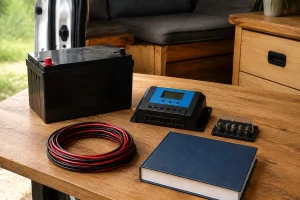
Lithium iron phosphate (LiFePO4) has become the gold standard for modern off-grid setups, largely replacing older AGM and lead-acid batteries due to its deep discharge capabilities, high efficiency, and significantly lighter weight. For a Class A rig, a viable boondocking battery bank typically starts at a minimum capacity of four hundred amp-hours and scales up significantly if you plan to run air conditioning or heavy kitchen appliances overnight. Ensure the kit you choose includes a reliable Battery Management System (BMS) that communicates seamlessly with your inverter and charging sources to prevent low-voltage shutdowns, short circuits, and thermal overload.
Inverter and Converter Compatibility
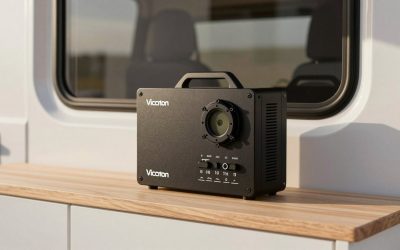
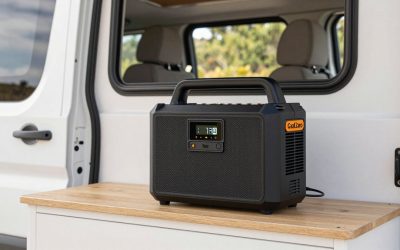
Your inverter converts the direct current power stored in your batteries into the alternating current power needed for your standard household outlets. In a Class A motorhome, a pure sine wave inverter rated between three thousand and five thousand watts is usually necessary to run sensitive electronics and heavy motor loads without distortion. Check that the kit’s included inverter-charger can handle your coach’s existing electrical transfer switch seamlessly without dropping your connection. If your onboard converter isn’t fully lithium-compatible, your alternator and shore power connections will never fully charge your new battery bank efficiently.
Solar Array Planning vs. Alternator Charging
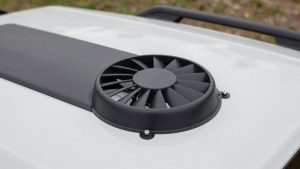
Relying solely on roof-mounted solar panels on a Class A can be challenging because rooftop real estate is often heavily crowded with vent covers, satellite dishes, radio antennas, and multiple air conditioning units. A balanced kit should integrate high-efficiency monocrystalline panels with high-output DC-to-DC chargers that pull power from your heavy-duty chassis alternator while driving. While solar is fantastic for battery maintenance and trickle charging while parked at camp, alternator charging is often the heavy lifter that rescues a depleted battery bank after a cloudy day on the road.
Common Sizing and Integration Mistakes
The most frequent mistake owners make is underestimating wire sizing, breaker ratings, and fuse protection. Running heavy currents through undersized cables creates extreme resistance, voltage drop, and severe fire hazards that can compromise your entire motorhome. Another common error is mixing old charging components with a brand-new lithium kit, which can lead to improper charging profiles and drastically shortened battery lifespans. Always verify that all components within a prospective kit are rated for the same voltage architecture, whether you are building a standard twelve-volt system or a high-efficiency forty-eight-volt setup.
When to Invest in Premium Components
Budget kits can be tempting when facing high overall upgrade costs, but premium systems offer critical operational advantages that easily justify the higher upfront investment. High-end kits usually feature superior customer support, modular components that are simple to expand later, and robust Bluetooth monitoring systems that let you track energy metrics directly from your smartphone. If you plan to spend weeks at a time off-grid in extreme winter or desert climates, investing in top-tier components with built-in low-temperature charging protection and automated thermal management is well worth the extra expense.
Related Guides
If you are still comparing specific product packages and want to see how top-tier options stack up against one another, check out our comprehensive best complete rv boondocking power kits for class a motorhomes in 2026: compared and ranked review to find the ideal match for your traveling style.
FAQ
Can I run my Class A air conditioner on a standard power kit?
Yes, but you will need a large battery bank and a high-capacity inverter rated for at least three thousand watts. Additionally, you will need a soft-start device installed on your air conditioner to manage the initial startup surge without tripping your inverter.
Do I need professional installation for a complete power kit?
Because Class A electrical systems are complex and tie into high-voltage AC and heavy-gauge DC wiring, professional installation is strongly recommended unless you have advanced electrical experience and proper safety gear. Mistakes in high-amperage wiring can lead to permanent equipment damage or fire hazards.
How long will a four hundred amp-hour lithium battery bank last while boondocking?
It depends entirely on your daily usage habits and weather conditions, but conservative power users running lights, water pumps, and a residential fridge can typically stretch a four hundred amp-hour bank for two to three days without recharging. Heavy use of air conditioning or microwaves will drain the same bank in just a few hours.
Can I mix different battery brands or capacities in my kit?
Mixing different battery brands, ages, or capacities is strongly discouraged because imbalances in internal resistance can cause uneven charging rates. This imbalance often leads to premature battery wear, persistent system faults, and reduced overall storage capacity.