Last updated: September 12, 2026
Roof rack cross bars are the foundation that turns your van’s empty roof into usable cargo space for solar panels, storage boxes, kayaks, and maxtrax. Choosing the right cross bars affects how much weight you can carry, how much wind noise you’ll hear at highway speed, and whether your accessories bolt on cleanly. This guide covers the best roof rack cross bars for 2026 and how to match them to your van and gear.
As an Amazon Associate I earn from qualifying purchases.
As an Amazon Associate we earn from qualifying purchases at no extra cost to you.


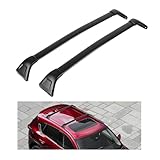


🛒 Best Price Today on Amazon
Prime members get fast, free shipping on everything above, plus member-only deals. New members get a 30-day free trial — cancel anytime.
Understanding Roof Rack Cross Bars for Van Life
Cross bars span the width of your roof and clamp to either factory rails, fixed mounting points, or a full-length platform. The two numbers that matter are the dynamic load rating, which governs how much you can carry while driving, and the static rating, which is far higher and applies when parked, such as when a rooftop tent holds sleepers. Bar shape matters too, since aerodynamic wing profiles cut the wind roar that flat bars produce. If you’re planning a roof buildout, our van roof rack planning guide ties this together with mounting choices.
| Product | Best For | Standout Feature | Rating |
|---|---|---|---|
| Thule WingBar Edge | Quiet highway cruising | Aerodynamic low-noise profile | 4.8/5 |
| Yakima JetStream | Heavy gear hauling | Wide bar, high load rating | 4.7/5 |
| Front Runner Slimline II | Full-roof platforms | Modular T-slot mounting | 4.8/5 |
| Rhino-Rack Vortex | Overland durability | Rugged, versatile clamps | 4.6/5 |
| Malone AirFlow2 | Budget builds | Solid value cross bars | 4.4/5 |
The Best Roof Rack Cross Bars for 2026
See also: How Many Watts of Solar Do You Need for Van Life? • Truma vs Webasto Water Heaters for Vans: Combi, Aquago and Alternatives
Thule WingBar Edge — Best for Quiet Travel
If highway wind noise drives you crazy, the WingBar Edge’s low-profile aerodynamic shape sits close to the roof and slices through air with minimal roar. Pros: quiet, clean looks, easy accessory integration. Cons: premium pricing, and the sleek profile carries less than the burliest bars, so ambitious haulers may want something beefier.
Yakima JetStream — Best for Heavy Loads
When you’re stacking storage boxes, solar, and recovery boards, the wide JetStream bars give both strength and a broad mounting surface. Pros: high load rating, wide bar for stable box mounting, strong build. Cons: heavier and pricier than basic bars, and the width can crowd a short roof. Pair them with our rooftop cargo box guide for storage that fits.
Front Runner Slimline II — Best Platform System
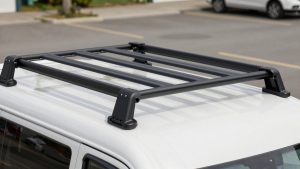
For van lifers who want a full roof deck rather than two bars, the Slimline II platform mounts accessories anywhere along its T-slot rails. Pros: endlessly configurable, walkable surface, integrates with awnings and tents. Cons: it’s a bigger investment and adds more weight and height than simple bars. Our roof platform vs cross bars comparison helps you decide.
Rhino-Rack Vortex — Best for Overlanding
Built for backcountry abuse, the Vortex bars pair rugged extrusions with versatile clamp options for a wide range of vans. Pros: tough, adaptable mounting, good accessory ecosystem. Cons: not the quietest at speed, and the utilitarian looks won’t win beauty contests. It’s the pick for rigs that see rough roads more than smooth interstates.
Malone AirFlow2 — Best Budget Cross Bars
Not every build needs premium bars, and the Malone AirFlow2 delivers dependable carrying capacity at a friendly price. Pros: affordable, aerodynamic enough to stay reasonably quiet, easy to install. Cons: lower load rating than heavy-duty bars and fewer accessory options, so match your ambitions to its limits. Great for kayaks, bikes, and light cargo.
Thule Canyon XT Basket — Best Add-On Cargo Basket
Cross bars become far more useful with a basket that corrals loose gear, and the Canyon XT bolts onto most bar systems. Pros: contains sprawling loads, sturdy, expandable with extensions. Cons: adds height and wind drag, and a loaded basket raises your center of gravity noticeably. Our roof load safety tips explain how to pack it without hurting handling.
Roof Rack Cross Bars: Weight, Height, and Noise
Respect the dynamic load rating, because it includes the weight of the rack accessories plus everything you carry, and it’s easy to exceed. Just as important is your van’s own roof weight limit, which is often lower than the rack’s rating and set by the manufacturer. Loading the roof raises your center of gravity and affects cornering and crosswind stability, so keep heavy items low in the van and reserve the roof for lighter, bulky gear. Our van weight distribution guide covers this balance in depth.
Height is a practical concern van lifers forget until they meet a low parking garage or drive-through. Cross bars plus a box or basket can add a foot or more, so measure your new total height and note it somewhere visible in the cab. Fixed roof platforms add the most height, while low-profile bars add the least. Knowing your clearance prevents an expensive and dangerous surprise on a tight overpass.
Wind noise and fuel economy both suffer from a poorly chosen or loaded rack. Aerodynamic wing bars minimize the whistle, and removing accessories when you don’t need them restores quiet and mileage. Some bars accept fairings that further cut noise. If you carry gear only occasionally, quick-release bars let you strip the roof clean between trips, a trick our reducing van wind noise article recommends.
Choosing Cross Bars for Your Van and Gear
Start with what mounts to your van, since factory rails, fixed points, and gutter clamps each call for different bar systems. Then match the load rating and bar width to your heaviest planned use, whether that’s a rooftop tent, solar array, or a cargo box. If you carry a lot and want a walkable deck, a platform earns its cost; if you carry occasionally, simple aerodynamic bars keep things quiet and light. Cross-reference our complete van exterior gear list so your bars, mounts, and accessories all work together.
Frequently Asked Questions
How much weight can roof rack cross bars hold?
It depends on both the bars’ dynamic load rating and your van’s own roof weight limit, which is often the lower of the two. The dynamic rating applies while driving and includes the rack accessories plus your cargo. Always use the lower figure, keep heavy items inside the van low down, and reserve the roof for lighter, bulky gear.
Do roof rack cross bars cause wind noise?
They can, especially flat-profile bars at highway speed. Aerodynamic wing-shaped bars sit close to the roof and slice through air with far less roar, and some accept fairings to cut noise further. Removing bars or accessories when you don’t need them restores quiet and improves fuel economy, so quick-release systems are handy for occasional haulers.
What is the difference between dynamic and static load ratings?
The dynamic rating is how much weight the bars can carry safely while the van is moving, and it’s the figure that governs everyday cargo. The static rating applies only when parked and is much higher, which is why rooftop tents holding sleepers are rated against the static number rather than the dynamic one.
Should I choose cross bars or a full roof platform?
Choose simple cross bars if you carry gear occasionally and want minimal weight, height, and wind noise. Opt for a full roof platform if you want a walkable deck, mount many accessories, and value configurable T-slot mounting. Platforms cost more and add height, but they turn the whole roof into flexible, modular cargo space for serious builds.