Van Roof Vent Fan Maxxair Fantastic” style=”max-width:100%;height:auto;margin-bottom:1rem” loading=”lazy”>
TL;DR: A quality van roof vent fan transforms your build from stuffy box to comfortable home. Maxxair and Fan-Tastic Vent dominate the market. This guide breaks down what matters — CFM, thermostat control, rain sensors, and install depth — so you buy right the first time.
Best Van Roof Vent Fan: Maxxair vs Fan-Tastic and Everything In Between
Spend one July night in a van without a van roof vent fan and you’ll never make that mistake again. Heat builds fast. Cooking smells linger. Condensation destroys your walls. A good vent fan fixes all three — and the right one runs quietly enough that you actually sleep through it.
As an Amazon Associate we earn from qualifying purchases at no extra cost to you.
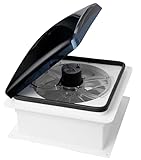

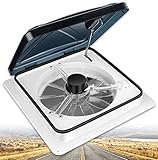


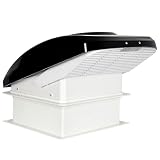


After years of vanlife and testing multiple vent setups across climates from the Sonoran Desert to the Pacific Northwest, here’s what actually matters when you pick one.
🛒 Best Price Today on Amazon
Prime members get fast, free shipping on everything above, plus member-only deals. New members get a 30-day free trial — cancel anytime.
Start 30-Day Prime Free Trial →See Today’s Amazon DealsWhy Every Van Build Needs a Roof Vent Fan
Ventilation isn’t optional in a van build — it’s structural. Without active airflow you’re fighting moisture, heat, and air quality on three fronts simultaneously. A powered van roof vent fan creates a pressure differential that pulls fresh air in through cracked windows or a second vent and exhausts stale air, humidity, and cooking fumes out the top.
The practical benefits stack up quickly: lower sleeping temps by 10–15°F on hot nights, dramatically reduced condensation on cold mornings, and the ability to cook indoors without your entire van smelling like last Tuesday’s stir fry. For builds with a diesel heater, proper ventilation also matters for combustion air and CO safety — see our diesel heater guide for specifics.
Top Van Roof Vent Fans — Our Picks
See also: MaxxFan Deluxe vs Fantastic Fan for Vans: Which to Choose? • Can I Lay LVP in a Van? Van Flooring Guide


As an Amazon Associate we earn from qualifying purchases. Product prices and availability are accurate as of the date/time indicated.

WAYSKA Diesel Heater 12V, 5L Tank, Diesel Heater 2KW, Muffler, Diesel Parking Heater with LCD Monitor & Remote Control for Trucks, Trailer, Boat and Motor-Home


As an Amazon Associate we earn from qualifying purchases. Product prices and availability are accurate as of the date/time indicated.


As an Amazon Associate we earn from qualifying purchases. Product prices and availability are accurate as of the date/time indicated.
Key Specs Compared
| Feature | Budget Fan | Mid-Range | Premium (Maxxair/Fan-Tastic) |
|---|---|---|---|
| CFM (airflow) | ~400 | ~700 | 900–1,100+ |
| Speed settings | 3 | 5–7 | 10 |
| Thermostat | No | Some | Yes |
| Rain sensor auto-close | No | No | Yes (select models) |
| Reverse (intake/exhaust) | No | Some | Yes |
| Noise level | High | Medium | Low–Medium |
| Lid seal quality | Basic | Good | Excellent |
| Typical power draw | 2–3A | 3–5A | 3–5A |
Maxxair vs Fan-Tastic: The Real Difference
Both brands are legitimate choices. The differences come down to lid design and thermostat implementation. Maxxair lids open wider (up to 90 degrees on some models) which helps in heavy rain since the lid acts as an awning. Fan-Tastic thermostats tend to be more responsive and allow more granular speed control at lower temperatures.
For hot-climate vanlifers who prioritize maximum airflow and rain protection, Maxxair edges ahead. For full-timers who want smart temperature management, Fan-Tastic holds its ground. Either way, both vastly outperform generic fan options for daily lived use.
Power consumption is worth considering alongside your solar setup. A vent fan pulling 3–5A running 8 hours overnight draws 24–40Ah — manageable with a proper LiFePO4 system. Check your battery math with our LiFePO4 battery guide and MPPT controller guide to make sure your system can handle it.
Installation: What Most Guides Miss
Install depth matters more than most buyers realize. Most van roofs have a curve, and the vent fan needs a flat mounting surface. This means either cutting into the high point of the roof curve or building a raised wooden frame (a “curb”) to level it out. A poorly sealed install leaks — both water and heat — and you’ll be redoing it within a season.
The standard roof cutout is 14″ x 14″. Mark center, use a jigsaw, and deburr the metal edge before applying butyl tape. Never use silicone alone — butyl tape plus lap sealant is the correct approach. Good insulation around the vent opening also matters; without it, the metal frame becomes a thermal bridge that sweats in cold weather. Our insulation guide covers the frame area specifically.
Wire sizing: 16 AWG is the minimum, 14 AWG preferred for runs over 10 feet. Connect to a dedicated breaker on your 12V panel — these fans cycle on and off automatically when thermostat-controlled, so they need clean, protected power.
One Fan or Two?
Two-fan builds — one near the cab (exhaust) and one over the sleeping area (intake) — create genuinely superior airflow. You get cross-ventilation rather than just a single pressure differential. If your van length allows it and you have the roof real estate, two fans is the answer for hot-climate or year-round builds.
Single-fan builds work fine in mild climates or for part-time use. Position it toward the rear, closer to where you sleep and cook, for maximum impact. Running it in exhaust mode pulls hot air out from the peak of the van’s interior — physics does the rest.
For builds where power is tight, pair your vent fan decision with the rest of your 12V load planning. Our van accessories overview has a full load worksheet section that helps you size your battery bank properly before committing to a two-fan setup.
FAQ: Van Roof Vent Fan
How many CFM do I need for a van roof vent fan?
For a standard cargo van (Transit, Sprinter, ProMaster), aim for at least 700 CFM for adequate ventilation. Premium options at 900–1,100 CFM move air noticeably faster and handle cooking fumes or high-heat days much better. Smaller vans (Ram ProMaster City, NV200) can manage with 400–600 CFM.
Can I use a van roof vent fan in the rain?
Yes, with the right fan. Models with rain sensors automatically close the lid when precipitation is detected. Even without a sensor, the wide-opening lids on Maxxair fans act as rain guards at moderate angles. Never leave a fan open in sideways driving rain or high winds — lids can get damaged or admit significant water.
Does a van roof vent fan work in winter?
Yes. Ventilation in winter is actually critical for moisture management. Running your diesel heater creates combustion byproducts and condensation. A low-speed exhaust setting removes humid air before it condenses on your walls. Most premium fans operate down to 32°F without issue; below that, blade icing can occur on intake mode.
What is the best position for a van roof vent fan?
Rear-third of the van, above the living and sleeping area. This positions it directly over your primary heat sources (your body, cooking, heater) and maximizes the pressure differential with the cab windows. If installing two fans, place one above the kitchen area and one above the bed.
How much power does a van roof vent fan use?
At high speed, most quality fans draw 3–5 amps. Running at medium speed (adequate for most nights) drops that to 1.5–2.5A. A thermostat-controlled fan cycling through the night might average 1.5–2A, meaning 12–16Ah for an 8-hour night — very manageable on a 100Ah LiFePO4 battery.
Frequently Asked Questions
How much power does a roof vent fan use?
Modern 10-speed fans like the Maxxair 7500K or Fan-Tastic 7350 draw about 0.2 amps on low and 4-5 amps on high, so overnight on a medium setting costs roughly 10-20Ah. That is comfortably within a 100Ah lithium bank, and running low speed all night is the most efficient way to manage condensation.
Maxxair or Fan-Tastic, which is better?
Maxxair Deluxe models include a built-in rain shield so you can run them open in a downpour, which is the single biggest practical advantage. Fan-Tastic units have a rain sensor that auto-closes the lid instead, and their smoked lid dims light better. Both move similar air volume.
Where should I cut the hole?
The standard opening is 14×14 inches and must sit between the roof ribs, not across one. Most builders place it over the galley for cooking extraction or over the bed for sleeping airflow. If you have two fans, put one at each end and run one intake and one exhaust for cross-flow.
Will it leak?
Only if the seal is rushed. Deburr and prime the cut edge, bed the flange in butyl tape, then bolt down and cap the fasteners with self-leveling lap sealant. Do not overtighten, which distorts the flange and breaks the butyl seal. Inspect the sealant every spring and reapply as needed.
Does it help in cold weather or just summer?
It matters more in winter. Cooking, breathing and drying gear release litres of moisture that condense on cold metal and cause mould. Running the fan on the lowest speed pushes that humid air out. Add an insulated vent pillow when the fan is off to reduce heat loss through the plastic lid.