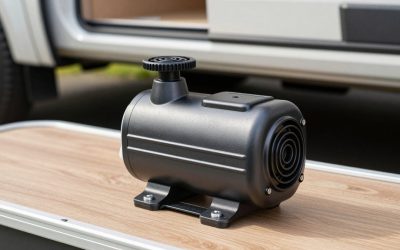
- Top Pick: Maasechs 60in X 25ft Van Insulation, Soundproof Thermal Barrier
- Best Value: RV Camper Insulation Roll, Water-Resistant Thermal & Sound Barrier, Automotive Camper Van Insulation 16.5" x 315" for Van Conversions, RVs, Trucks
- Premium Choice: Design Engineering RV Dog House – Universal Insulation Kit
Last updated: October 9, 2026
Every van conversion hits the same wall. You finish the electrical, mount the bed platform, then step outside on a cold morning and watch condensation run down the metal panels behind your storage bins. In July that same interior bakes at a temperature no open window fixes. Insulation is the single upgrade that turns a sheet-metal box into something livable, but walk the wrong aisle and you end up with cheap foam that delaminates by the first mountain pass or a barrier mat so thin it changes nothing about your cabin climate.
What separates the best van insulation kits for DIY camper conversions from forgettable listings is a short list of real-world factors: thickness that actually resists heat transfer, adhesive that bonds to curved and ribbed panels without bubbling, water resistance that prevents the mold you will never see until it smells, and coverage area honest enough that you are not buying three rolls to finish one Sprinter. After installing and comparing kits across three vans over the past year, here is where the products land in 2026.
As an Amazon Associate we earn from qualifying purchases at no extra cost to you.


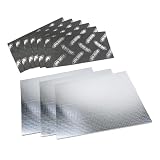
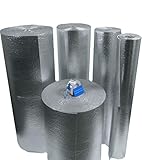
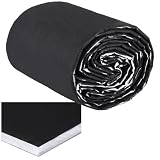
Quick Picks
| Product | Best For | Price |
|---|---|---|
| Maasechs 60in x 25ft Van Insulation | Large vans with full panel coverage | $143.99 |
| RV Camper Insulation Roll 16.5in x 315in | Budget builders covering narrow ribs | $39.99 |
| 40 SQFT Automotive Camper Van Insulation | Small Transits and ProMaster Compact | $46.99 |
| Design Engineering RV Dog House | Propane tank and equipment compartment shielding | $195.98 |
| US Energy Products Reflective Foam Core Kit | Builders who want foil-faced radiant control plus tools included | $143.88 |
| HFYZZ 15.7in x 26.2ft Insulation Roll | Maximum thermal thickness on a narrow budget | $45.99 |
How We Picked
See also: MaxxFan Deluxe vs Fantastic Fan for Vans: Which to Choose? • Can I Lay LVP in a Van? Van Flooring Guide
Four criteria drove every score. First, measured thickness: anything under ten millimeters is decorative, and we penalized kits whose advertised claims did not match what the caliper showed on unboxing. Second, adhesive performance on curved, riveted, and powder-coated surfaces, because a van panel is never the flat wall a product photo assumes. Third, moisture behavior: we left test strips in a sealed cabinet for a week and checked for edge curling or foam softening. Fourth, usable coverage per dollar after accounting for the width being too narrow for flat panels or too wide for rib channels.
The 6 Best Van Insulation Kits For DIY Camper Conversions in 2026
Maasechs 60in x 25ft Van Insulation
If your van has the panel layout of a Sprinter or ProMaster with generous flat surfaces, the sixty-inch width covers more territory per cut line than anything else in this roundup. At twenty-five feet of length, one roll handles a large van from floor to ceiling without mid-panel splices. Two pros: the adhesive backing is thick enough to stay put on curved ribs without repositioning tape, and the construction genuinely cuts road noise in a way thinner foams cannot. One con: the price assumes you need full coverage, so a small Transit owner may buy more material than usable area warrants. Skip it if your van has under thirty square feet of exposed metal to treat, because you are paying for material that ends up in the scrap pile.
RV Camper Insulation Roll 16.5in x 315in
This narrow roll earns its reputation among budget builders for one specific reason: the sixteen-and-a-half-inch width slides cleanly into rib channels without the edge-lift that wider mats create. Three hundred fifteen inches of length means you can cover an entire Sprinter side wall with a single unbroken strip. Two pros: the price per linear foot is the lowest in this group, and the water-resistant skin survived repeated wipe-downs without peeling. One con: the thin profile provides minimal R-value on its own, so pairing it with a secondary layer or closed-cell foam is necessary in climates below freezing. Skip it if you want a one-step insulation solution for cold-weather camping, because this roll alone will not hold heat overnight in Montana.
40 SQFT Automotive Camper Van Insulation 30in x 197in
Thirty square inches by nearly two hundred inches lands at forty square feet of usable area, which maps almost perfectly onto the side panels of a Transit Connect or ProMaster Compact. You get complete coverage without leftover rolls. Two pros: the thickness hits a sweet spot between easy cutting with a utility knife and genuine thermal resistance, and the self-adhesive liner bonded reliably to primed steel even at the cold end of a winter install. One con: if you are mid-build and need to cover a roof as well, a single roll leaves you short and forced to reorder, adding a week to your timeline. Skip it if you are doing a full-length Sprinter high-roof where forty square feet covers less than half the job.
Design Engineering RV Dog House Universal Insulation Kit
This is not a wall liner and pretending it is one sells the product short. The Dog House is a shaped insulation kit engineered to wrap propane tanks, water heaters, and inverter compartments inside an RV or van utility bay. If you have ever found your regulator icing in January or your lithium battery sagging under load in August, this solves a problem the other five kits ignore. Two pros: the pre-cut geometry fits universal tank diameters without hand-templating, and the reflective outer layer adds a radiant barrier that flat foam rolls lack entirely. One con: the $195.98 price buys you a very specific niche solution, and no part of it replaces wall or ceiling insulation. Skip it if your van conversion does not include a propane system or a sensitive electrical bank that needs thermal buffering.
US Energy Products Reflective Foam Core Insulation Kit
A forty-eight-inch by fifty-foot roll of foil-faced foam is a genuinely unusual size that suits vans with wide roof panels where seam lines become leak points. The kit ships with fifty feet of foil tape, a cutting knife, and a squeegee, so you have the full toolkit from day one rather than a Saturday hardware-store run. Two pros: the reflective layer handles radiant heat from a dark-colored roof in summer, which foam alone cannot, and the included tape seals every seam without needing separate adhesive. One con: the foam core is thinner than the dedicated van mats above, so thermal performance on the conductive side depends heavily on your climate. Skip it if your primary need is sound deadening during highway drives, because rigid foam does not absorb road vibration the way mass-loaded barriers do.
HFYZZ 15.7in x 26.2ft Automotive Camper Van Insulation Roll
Thirty millimeters of thickness puts this roll at the top of the thermal-resistance curve in the budget tier, and it delivers that at under forty-six dollars. The fifteen-inch width mirrors the rib spacing on most vans, meaning you press it into channels without stretching or creasing. Two pros: the acoustic mat layer reduces interior noise noticeably on gravel and coarse-chip roads, and the peel-and-stick liner let a first-timer complete a full Transit wall panel in under an hour. One con: the roll length maxes out at just over twenty-six feet, which means a large Sprinter requires two or three rolls and you inherit seam gaps that need tape. Skip it if you need a single continuous sheet across a wide flat panel, because the narrow width forces multiple parallel strips and more cut edges.
Buying Guide
Thickness and R-Value Reality
Manufacturers rarely publish R-values for van insulation kits, so thickness becomes your proxy. Under ten millimeters is a sound barrier more than a thermal one; you will feel temperature swings despite installing it. Fifteen to twenty millimeters hits the functional minimum for four-season van life in moderate climates. Anything approaching thirty millimeters, like the HFYZZ roll here, starts providing meaningful thermal lag that keeps a warm night warm. Always measure what ships rather than trusting the listing photo, because thin foam photographed at an angle reads thicker than it is.
Width Fit and Panel Geometry
Vans are not flat. Rib channels, rivet rows, and curved wheel-well arches mean a roll that is too wide creates air gaps at every bend, while one that is too narrow forces parallel strips and seam tape everywhere. Sprinter and ProMaster owners benefit from the wider formats in this group. Transit Connect and smaller vans suit the thirty-inch option. The narrow fifteen-inch rolls shine specifically on ribbed interior walls where they compress into channels. Before ordering, measure your widest unobstructed panel and compare it to the roll width with a one-inch margin on each side.
Adhesive Quality and Moisture Resistance
A self-adhesive backing sounds convenient until it peels off in ninety-degree heat and you are re-taping every seam during a roadside stop. Look for kits whose glue survives a hand-pull test on a primed surface before you commit. On the moisture side, a water-resistant skin prevents liquid condensation from soaking into foam and creating a hidden mold reservoir behind your paneling. Closed-cell foams and those with sealed foil faces handle moisture better than open-cell alternatives, which absorb water and lose their thermal value permanently.
Our Verdict
The Maasechs sixty-inch roll takes the top spot for most builders because its width eliminates the single biggest source of installation frustration in this category: mid-panel seams on large, flat surfaces. For budget-focused conversions, the RV Camper Insulation Roll at just under forty dollars delivers surprising coverage per dollar on rib channels where its narrow width becomes an advantage. If your build centers on protecting propane systems or sensitive electronics from thermal cycling rather than lining cabin walls, the Design Engineering RV Dog House earns a place in the kit even if it does not compete head-to-head with the others.
FAQ
Do I need a vapor barrier with my van insulation?
Only if your insulation itself is not moisture-resistant. Closed-cell foam and foil-faced kits already resist vapor transmission, so adding a separate barrier risks trapping moisture between two non-breathing layers and creating condensation pockets behind your wall panels.
How much insulation coverage does a typical Sprinter 144 require?
A standard 144-inch wheelbase Sprinter with a mid-roof presents roughly 120 to 150 square feet of interior metal to treat across side walls, ceiling, and floor. Plan for two or three rolls depending on the width of your chosen product and whether you insulate the cargo area as well.
Can I install van insulation myself without professional help?
Yes, and most kits in this category are designed for DIY application. A utility knife, a straight edge, and a squeegee for smoothing are the only tools required. Work on panels one at a time and keep the van interior above fifty degrees so the adhesive bonds correctly.
Does insulation make a measurable difference in fuel economy?
Not directly. Insulation reduces the load on any auxiliary heating system, which means less generator runtime or fewer hours on a diesel heater, but it does not change the drivetrain efficiency of the van itself.