- Top Pick: JOYTUTUS Vehicle Awning 6.6'x8.2' Roof Rack Pull-Out Sun Shade UV50+, Weatherproof 4×4 Side Sunshade for Camping, Car Awning with Adjustable Hardware, Quick Set-up, Compatible with SUV/Truck/Van/Jeep
- Best Value: VEVOR Vehicle Awning 4.6'x6.6' Roof Rack Pull-Out Sun Shade UV50+ PU3000mm, Retractable Weatherproof 4×4 Side Awning for SUV Outdoor Camping & Overland (Hardware Included), w/Waterproof Storage Bag
- Premium Choice: Timber Ridge Car Awning Camper Awning 8.2X6.5ft Truck Tent Waterproof PU10000mm UV50+ Rooftop Overland Camping, Retractable Side Tent Shade for Car/SUV/Truck/Van, Beige
Last updated: September 7, 2026
As an Amazon Associate we earn from qualifying purchases at no extra cost to you.


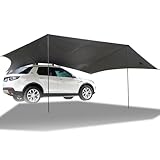
🛒 Best Price Today on Amazon
Prime members get fast, free shipping on everything above, plus member-only deals. New members get a 30-day free trial — cancel anytime.
Introduction
A van awning is one of the highest-impact upgrades you can make to your outdoor living experience. It creates instant shade for hot summer afternoons, shelter from light rain, and a defined outdoor living space that turns your campsite from a parking spot into a home. Here are the best awning options for van lifers at every budget level. The right awning effectively doubles your living space, moving cooking, working, and relaxing outdoors while keeping you protected from sun and weather.
What to Look For in a Van Life Awning
See also: Best Ways to Keep a Van Tidy on the Road • Best Cyber Monday Cologne Deals
- Deployment speed: The best van awnings deploy in 60 seconds or less by one person. Slow, complicated awnings don't get used — look for tension-arm systems with spring-loaded or gas-strut assisted opening.
- Wind resistance: Awnings are vulnerable in wind — a gust that would be pleasant on a hot day can invert or tear a lightweight awning. Guy lines, stakes, and storm poles are essential accessories for windy environments.
- Mounting compatibility: Most van awnings mount to roof rack rails. Verify your rack's rail spacing and load rating are compatible before purchasing. Some awnings include universal mounting hardware; others require brand-specific rail systems.
- Coverage area and shape: Straight-arm awnings shade one side; wraparound "batwing" designs cover the side and rear. Match the coverage pattern to how you actually use your outdoor space.
Top Picks: Best Awnings for Shade and Shelter on the Road
ARB 2500 Awning 8.2ft x 8.2ft
The ARB 2500 is the overlanding awning standard — rugged enough for the Australian outback and equally popular among North American van lifers. It deploys in under 2 minutes, covers a generous 8.2×8.2 foot area, uses UV-resistant 260g ripstop polyester that handles sun and rain equally well, and stores in a tough aluminum housing that protects the awning fabric in transit. Fits any standard roof rack with 59-68 inch rail spacing. ARB's build quality is genuinely exceptional for the price, and the sealed housing keeps the fabric clean and dry between uses.
Rhino-Rack Batwing Awning
The Rhino-Rack Batwing is the most coverage-efficient van awning available — its unique design unfolds in two directions, creating up to 270 degrees of shade coverage around the rear and side of the van from a single mounting point. For van lifers who use their tailgate area as a kitchen or outdoor living space, the Batwing is transformative. Deployment takes about 2 minutes and creates an incredible amount of usable covered space. The premium price is justified by the coverage it provides, especially for cooks who work out of the rear doors.
Tuff Stuff Overland 6.5ft Compact Awning
For van lifers on a budget or those with smaller roof racks, the Tuff Stuff Compact awning provides solid shade coverage at a dramatically lower price point than ARB or Rhino-Rack alternatives. The 6.5-foot length deploys quickly, the 210D polyester fabric handles UV and moderate rain, and it mounts to standard rack rails. The build quality is lighter than premium competitors, but many van lifers run these units for years without issues when properly deployed and secured. A strong value choice for entry-level awning buyers who want shade without a premium spend.
How to Choose the Right Awning for Your Van
Start with how you use your outdoor space. If you mostly want shade over a side door and a chair or two, a straight-arm awning like the ARB or Tuff Stuff is simpler, lighter, and cheaper. If you cook and live out of the rear of the van, a wraparound design like the Batwing that shades the side and back from one mount is worth the extra cost and weight.
Then verify your rack. Awning weight and rail-spacing requirements must match your roof rack's load rating and mounting pattern, so measure before you buy. Consider your typical climate too: buyers in sunny, calm regions can prioritize coverage and shade, while those in windy or wet areas should budget for storm poles, guy lines, and stakes from the start rather than as an afterthought.
Awning Accessories Worth Adding
An awning alone is only half the system. Guy lines and quality stakes keep it stable when the wind picks up, and a set of adjustable storm poles lets you pitch the leading edge lower to shed rain or brace against gusts. Add-on walls or a mesh room convert an open awning into an enclosed bug-free space, and an LED light strip along the awning arm turns your covered area into a usable evening living room.
Frequently Asked Questions
How long does it take to set up a van awning?
Quality awnings deploy quickly — the ARB 2500 and Rhino-Rack Batwing both open in roughly two minutes, and simpler straight-arm models can be even faster. The key is choosing a design with assisted arms so one person can set it up alone, because an awning that requires two people or ten minutes of fiddling tends to stay rolled up. Practice the setup a few times at home so it becomes second nature on the road.
Can I leave my awning out in wind and rain?
Only within limits, and only if it is properly secured. Awnings handle light rain and gentle breezes well, especially when you pitch one edge lower with storm poles so water runs off, but strong gusts can invert or tear an unsecured awning quickly. Always stake it down with guy lines in any wind, and roll it up before you leave the site or when a real storm approaches, since fabric and arms can be damaged in seconds.
Will an awning fit my roof rack?
Most van awnings mount to standard roof rack rails, but you must confirm two things: the rail spacing matches the awning's brackets, and the rack's load rating can carry the awning's weight both parked and while driving. The ARB, for example, fits racks with 59-68 inch rail spacing. Check your rack's specifications and the awning's mounting requirements before buying, and add compatible brackets if needed.
What is the difference between a straight-arm and a batwing awning?
A straight-arm awning extends out from one side of the van to shade a rectangular area, while a batwing or wraparound awning fans out to cover the side and rear — up to 270 degrees around the vehicle. Straight-arm models are simpler, lighter, and cheaper; batwing designs offer far more coverage and are ideal if you cook or live out of the back of the van. Choose based on how much of your outdoor area you want shaded from a single mount.
Are budget awnings worth buying?
For many van lifers, yes. Budget options like the Tuff Stuff Compact use lighter fabric and hardware than premium brands, but they deliver real shade at a fraction of the price and hold up for years when deployed carefully and taken down in bad weather. If you camp mostly in mild conditions and want to keep costs down, a budget awning is a sensible starting point; heavy-weather and full-time users are the ones who most benefit from stepping up to premium builds.
Final Thoughts
A van awning changes how you camp. Instead of retreating inside when the sun gets hot or light rain begins, you stay outside — cooking, reading, socializing — protected and comfortable. The ARB 2500 is the recommendation for most van lifers; the Rhino-Rack Batwing for those who camp with groups or use the tailgate heavily; and the Tuff Stuff Compact for budget-conscious buyers. Match the coverage to how you live outdoors, secure it properly, and you'll wonder how you van camped without it.