Van flooring is one of those build decisions that’s easy to underestimate — until you’re living with it daily and noticing every creek, every cold spot, and every seam that’s starting to lift. The choice between rubber mats and vinyl plank flooring (and the various hybrid options in between) involves real trade-offs around durability, insulation, moisture resistance, ease of installation, and aesthetics. We’ve broken down the leading options in each category so you can make a decision that works for your actual van life use case — not just what looks good in a build video.
Quick Picks
LifeProof Luxury Vinyl Plank
- 100% waterproof core
- 3mm attached underlayment
- Realistic wood-look finish

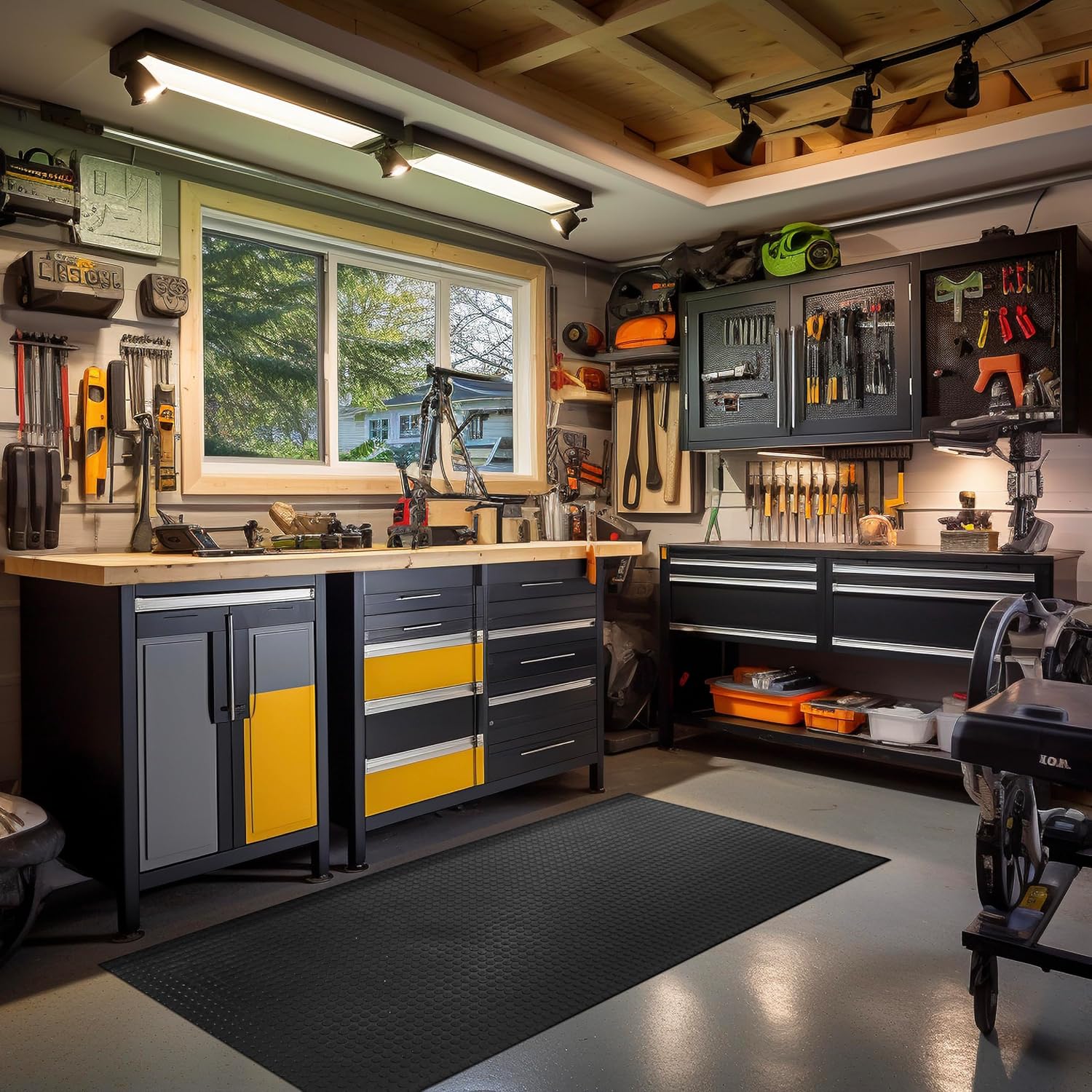
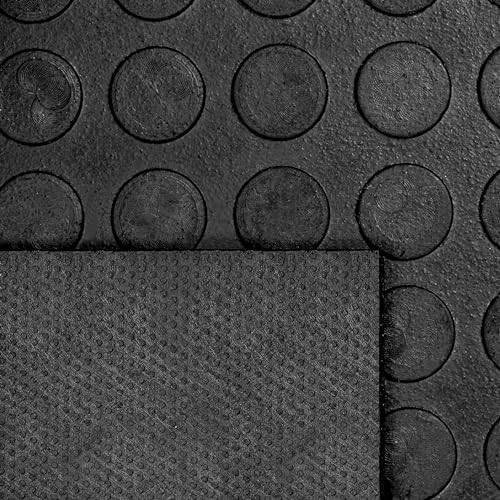
Prime MSI Premium Black Rubber Floor Mat Roll - 3.3 x 33 ft, 4mm Thick - Heavy-Duty, Waterproof, Non-Slip Coin Texture - Cuttable, Easy Clean, Multipurpose Matting for Garage, Gym, Workshop, Industrial Use






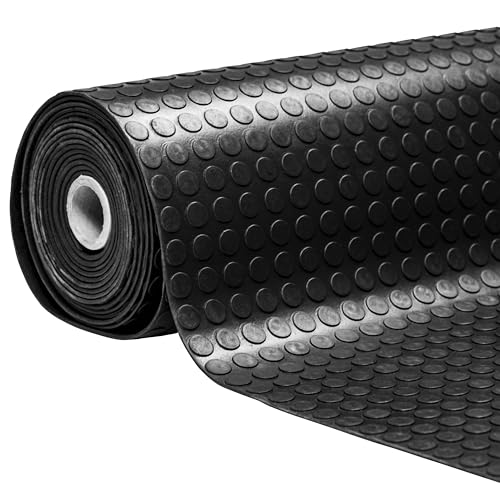
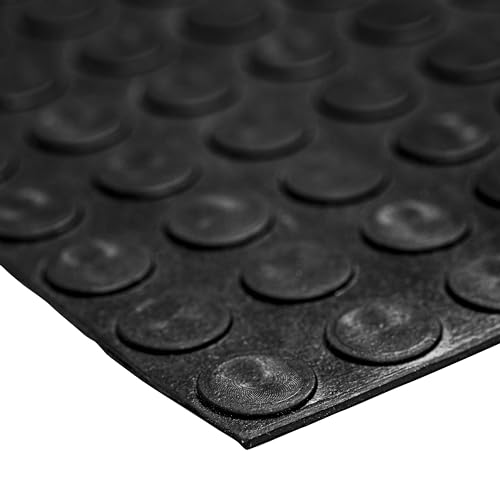
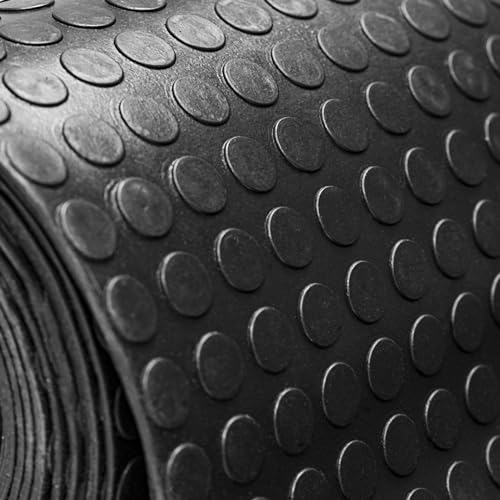

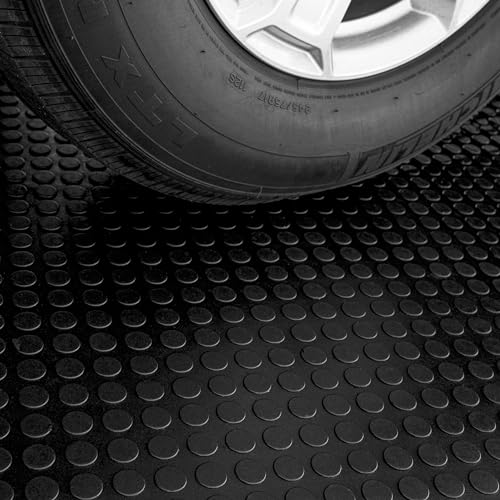
As an Amazon Associate we earn from qualifying purchases. Product prices and availability are accurate as of the date/time indicated.
Husky Liners WeatherBeater Floor Mat
- Laser-measured van-specific fit
- Deep channel design traps debris
- Heavy-duty rubber, lifetime warranty

EliteEdge 7.5 x 18 FT Garage Floor Mat, 2.8mm Thickened Flooring Roll Diamond Plate PVC Rubber Trailer Mat, Non-Slip Floor Protector Mat for Garage, Warehouse, Gyms, Trailer, SUV


As an Amazon Associate we earn from qualifying purchases. Product prices and availability are accurate as of the date/time indicated.
Achim Home Furnishings Tivoli Vinyl Tile
- Self-adhesive — no tools needed
- Under $1 per square foot
- Easy to replace individual tiles

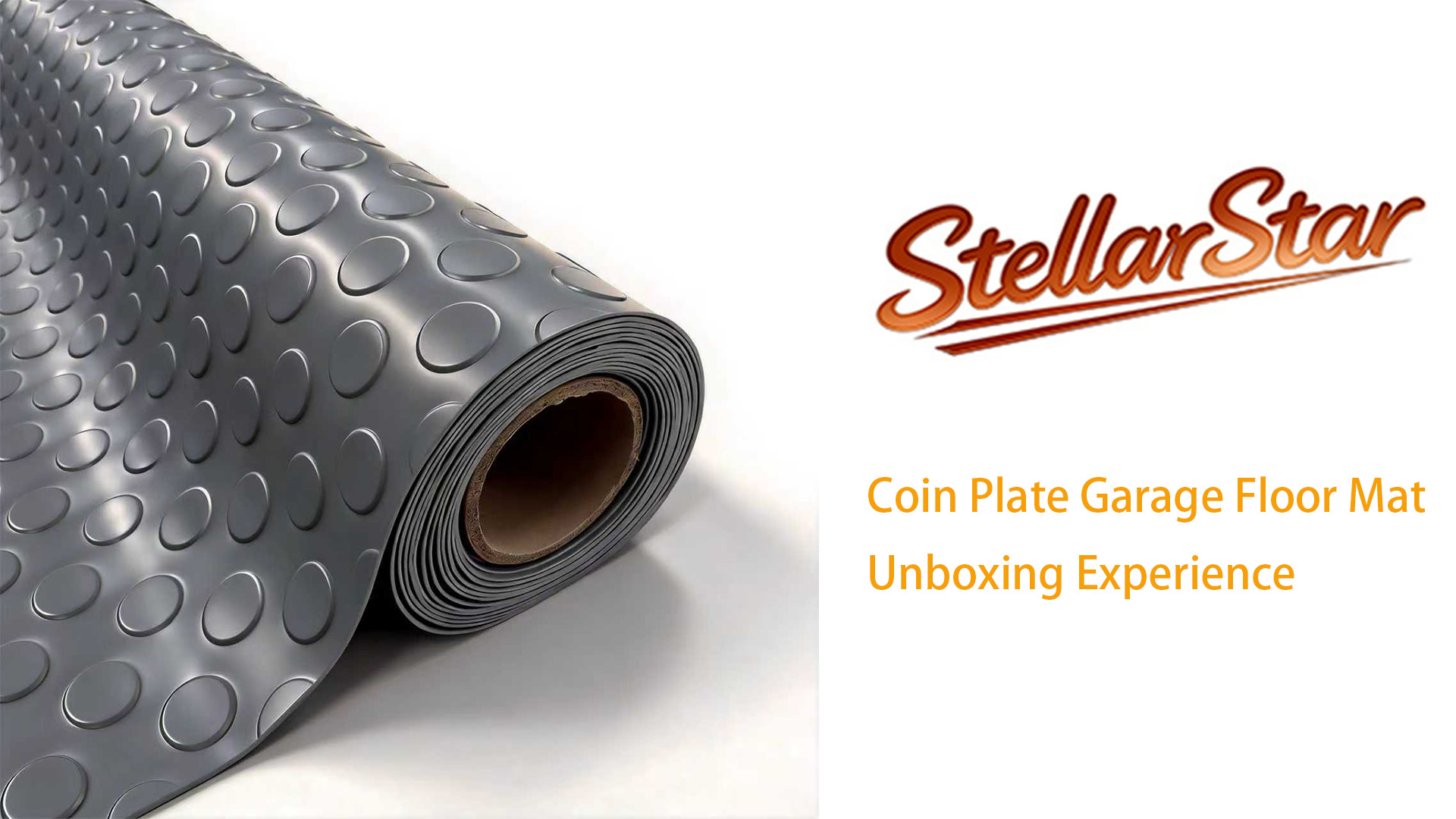
Prime StellarStar 4x8 FT Garage Floor Mat, 2mm Thickened PVC Coin Pattern Garage Mat with 20PCS Tapes, Rubber Flooring Rolls for Under Car, Non-Slip Rubber Motorcycle Mat for Golf Cart, Trailer, Gray

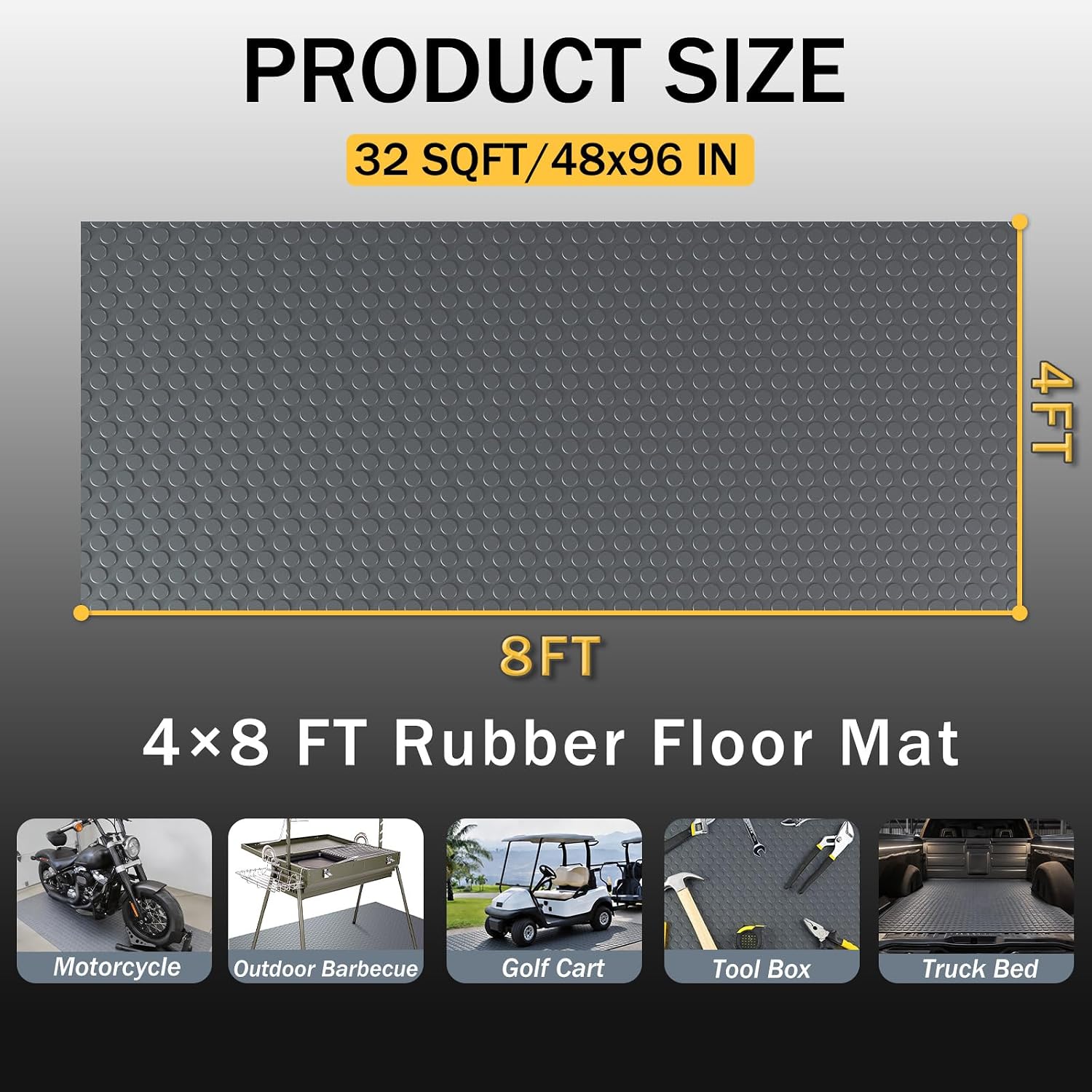

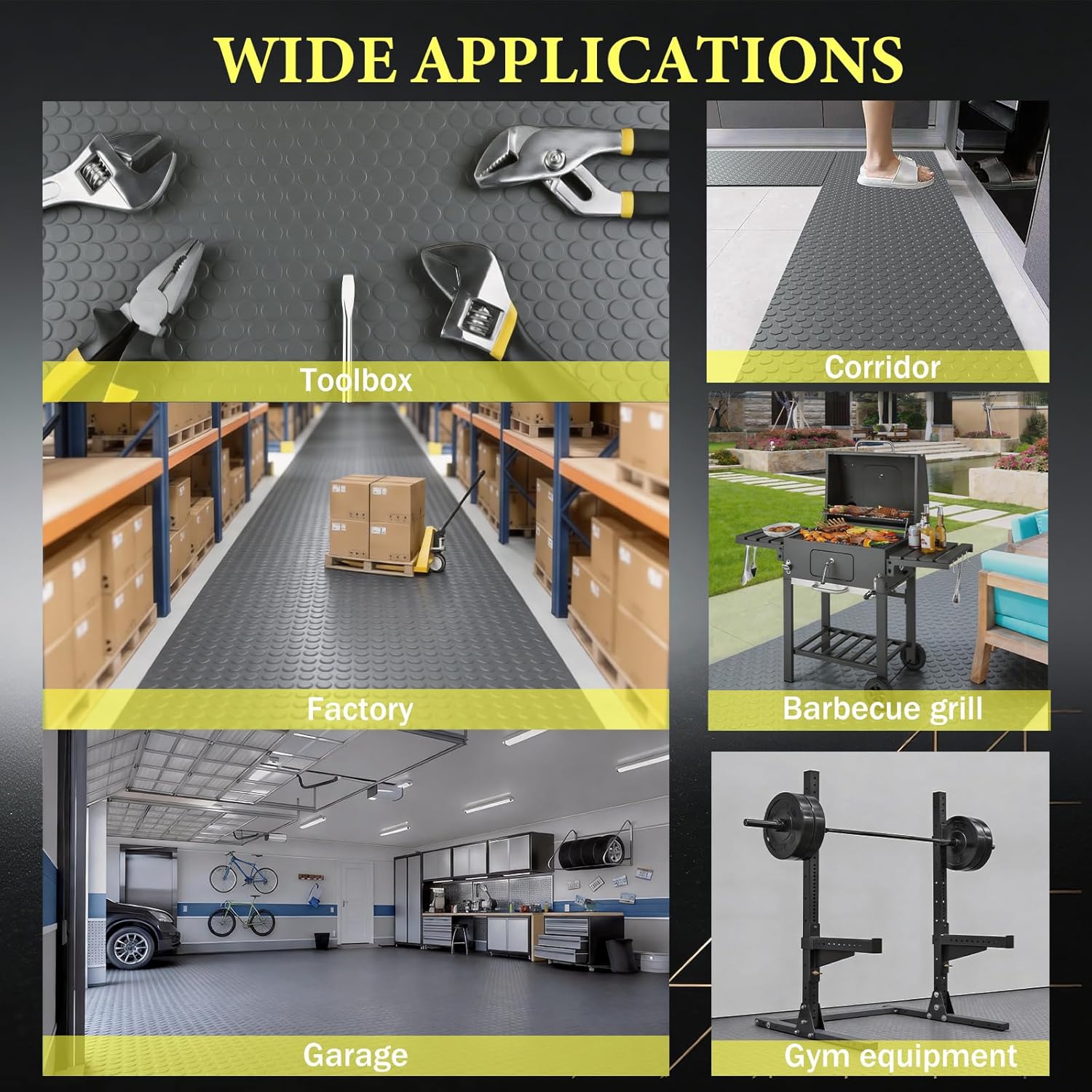


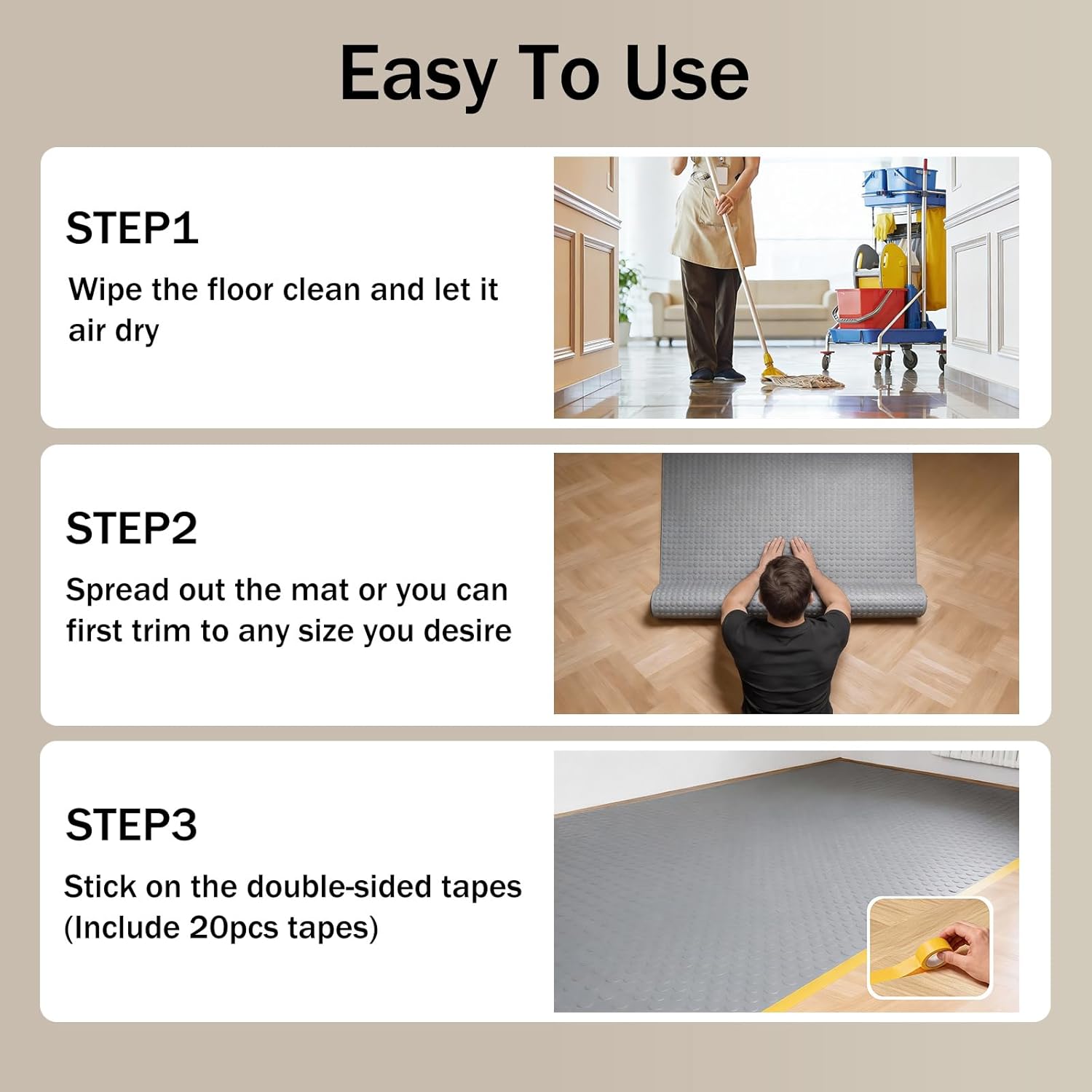
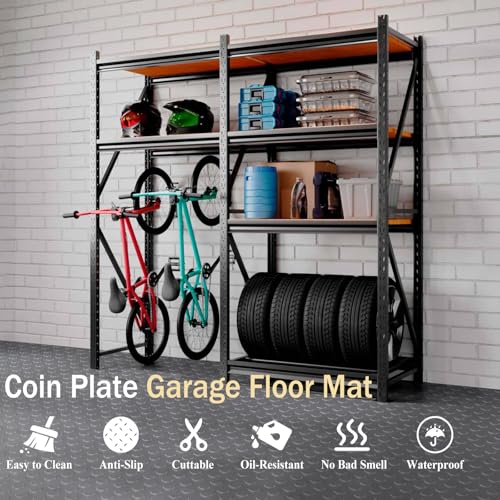
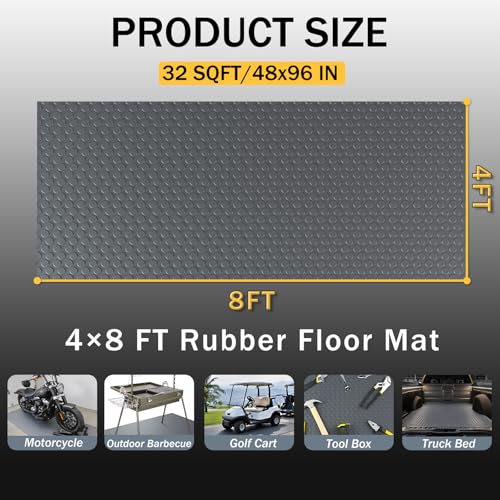
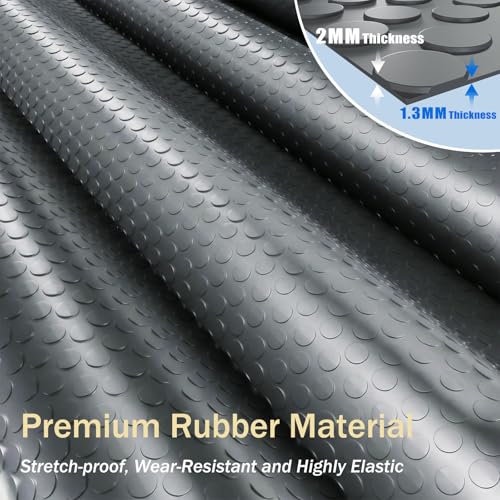
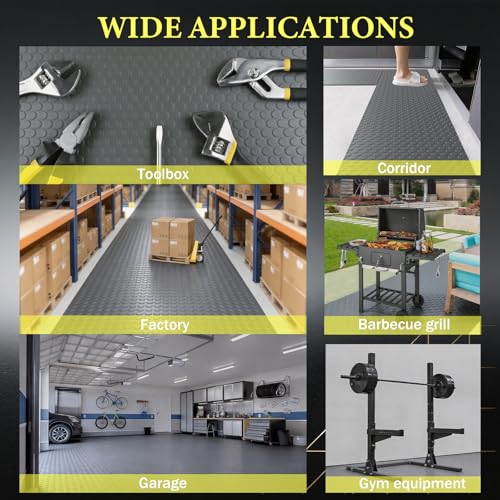
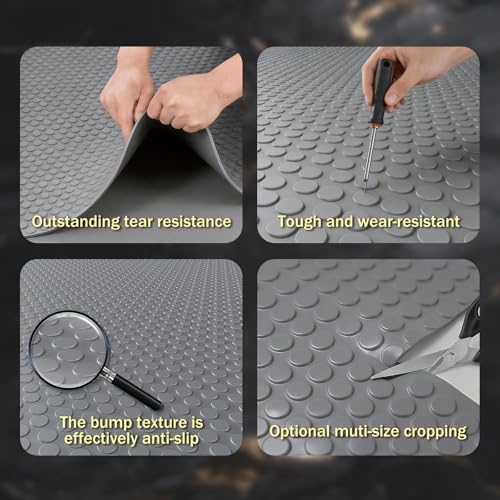
As an Amazon Associate we earn from qualifying purchases. Product prices and availability are accurate as of the date/time indicated.
Why Trust Our Picks
See also: Van Bluetooth Speaker Waterproof Outdoor • Van Magnetic Window Insulation Kit Review
Van flooring gets tested by the actual demands of mobile living in ways that home flooring never faces — temperature swings from -20°F to 110°F depending on climate and season, moisture from wet gear and muddy dogs, the constant vibration of highway miles, and the mechanical stress of heavy furniture bolted through the subfloor. Our evaluations draw on multi-year build reports from the van life community, focusing on which materials hold up over 50,000+ miles and multiple seasons rather than just how they look on installation day.
Best Van Flooring Options — Rubber Mats vs. Vinyl Planks — Reviews
1. LifeProof Luxury Vinyl Plank — Best Overall Vinyl Option
LifeProof LVP — sold through Home Depot — has built a devoted following in the van life community for a simple reason: it’s genuinely 100% waterproof through the entire core, not just the surface layer. That distinction matters enormously in a van context, where spilled water, wet boots, and condensation can find their way under flooring seams. The attached 3mm foam underlayment addresses two van life pain points simultaneously — it provides a thin thermal break from the cold metal floor below, and it smooths out the minor surface irregularities of a van floor without requiring a separate underlayment layer. The click-lock installation requires no adhesive, which means it can be removed and reinstalled if you need access to under-floor storage or electrical runs.
- Pros: Genuinely 100% waterproof — not just water resistant; attached underlayment simplifies installation; click-lock means no adhesive and future access possible; realistic wood aesthetics; holds up well over years and miles
- Cons: LVP can crack at joints if the subfloor has significant flex — van subfloor rigidity matters; temperature extremes can cause expansion gaps if not properly acclimated; heavier than rubber mat alternatives
2. Husky Liners WeatherBeater Cargo Mat — Best Rubber Mat Option
Rubber mats are the utilitarian choice — and for van lifers who prioritize function over aesthetics, they’re genuinely hard to argue against. Husky Liners’ WeatherBeater mats are laser-measured for specific van models, which means they fit the contoured cargo floor without gaps at the edges where water and debris accumulate. The deep-channel design traps mud, water, sand, and anything else you track in from the trail — then you pull the mat out and hose it down. Done. The heavy-duty rubber construction survives years of abuse without cracking, curling, or developing the odor problems that cheaper mats develop. The lifetime warranty reflects genuine confidence in the material. For work vans, adventure builds, and dog-friendly rigs, this is frequently the most practical choice.
- Pros: Van-specific fit eliminates edge gaps; deep channels contain significant water and debris; hose-clean maintenance; lifetime warranty; extremely durable over years of use
- Cons: No thermal insulation benefit; utilitarian appearance — not suitable if aesthetics matter; heavier than vinyl; limited to cargo area, not suitable for custom build living quarters
3. Achim Tivoli Self-Adhesive Vinyl Tile — Best Budget Flooring
Self-adhesive vinyl tiles are the entry-level van flooring option — and they work considerably better than their budget price suggests, provided the subfloor is properly prepared (smooth, clean, and free of texture that prevents full adhesion). Individual tiles are typically 12×12 inches and peel-and-stick, making installation a genuinely one-person, no-tools operation. The real advantage over LVP planks is repairability: when a tile gets damaged (and in a van, something eventually will), you pop out the individual tile and replace it for pennies rather than addressing a flooring run. The look is less premium than LVP — it reads as what it is — but for budget builds where function drives every decision, it’s a legitimate choice.
- Pros: Extremely affordable; no tools required for installation; individual tile replacement is easy and cheap; variety of patterns available; adequate durability for light to moderate use
- Cons: Adhesive can fail in temperature extremes — tiles lift at seams in hot climates; surface layer is thinner than LVP — less durable under point loads; less realistic appearance than premium LVP
4. Rhino Linings Spray-On Bedliner — Best for Cargo and Work Vans
For builders who need maximum durability and don’t care about aesthetics in the cargo zone — think tradesperson vans, adventure builds with dirty gear, or anyone who regularly loads bikes, kayaks, or tools — spray-on bedliner is in a different durability class from any mat or tile option. Applied professionally, it bonds directly to the van’s metal floor and walls, creating a seamless, impervious, non-slip surface that genuinely cannot be pulled up, scratched through, or damaged by point loads. The texture is grippy and durable. The drawbacks: it’s expensive to apply professionally, it’s permanent, it adds slight thermal mass (marginally helpful in cold), and it’s purely utilitarian — there’s no LVP wood-look version of bedliner.
- Pros: Absolute maximum durability; seamless application eliminates edge gaps; non-slip surface; impervious to water and most chemicals; ideal for work/utility builds
- Cons: Expensive professional application; completely permanent — removal damages the metal; no aesthetic appeal; adds weight; provides no meaningful thermal insulation
Buyer’s Guide: Choosing Van Flooring for Your Build
Subfloor preparation is more important than the flooring itself. Any flooring material — vinyl plank, rubber mat, or tile — will fail prematurely on a poorly prepared subfloor. Clean the factory van floor thoroughly, treat any rust, apply a vapor barrier (6-mil poly sheeting or Kilmat-style mass loaded vinyl), then install your wood or plywood subfloor panels before any finish flooring goes down. Skip this step and you’ll be pulling up flooring to deal with rust and moisture within two years.
Thermal considerations. A van metal floor conducts cold aggressively — without thermal break, your feet are essentially sitting on the outside temperature. LVP with attached underlayment provides a modest thermal break. Rubber mats provide essentially none. For cold-climate builds, rigid foam insulation under the subfloor (Dow Thermax or similar) is the correct approach — flooring material alone won’t solve the problem.
The flex problem with LVP. Standard LVP is designed for a rigid, stable home subfloor. Van subfloors flex under load — furniture, driving over potholes, people moving around. This flex can cause LVP click-lock joints to separate over time. Addressing this means building a rigid-enough plywood subfloor (3/4-inch plywood glued and screwed to van ribs) and using an LVP with a thick enough core to accommodate minor movement.
Matching flooring to use zone. Many experienced builders use different flooring in different van zones — spray-on or rubber mat in the cargo/dirty zone near the rear doors, LVP in the living and kitchen zone. This approach optimizes for function in each area rather than compromising across the whole floor.
FAQ
Does LVP hold up in a hot van?
LVP has a temperature rating — typically 85–95°F for installation, but the material can experience expansion and contraction in a van that reaches 140°F interior temperature in direct summer sun. Leaving expansion gaps at all edges (as with any floating floor installation) is critical. Some builders report joint separation in very hot climates; a glue-down installation method eliminates this risk at the cost of permanent installation.
How thick should van flooring be?
LVP in the 6–8mm range is the practical sweet spot for van use — thick enough to handle point loads and minor subfloor imperfections, thin enough not to eat into headroom. Self-adhesive tiles are typically 2–3mm. Rubber mats vary from 3mm to 12mm depending on type. Your total floor stack (insulation + subfloor + finish flooring) determines headroom impact.
Can I install LVP myself in a van?
Yes — LVP’s click-lock system is explicitly designed for DIY installation, and the confined space of a van makes the project manageable in a weekend. The main skills required are accurate measuring, straight cuts (a table saw or circular saw with a fine-tooth blade), and patience at the van’s curved wheel well areas where cuts get non-linear.
Are rubber mats good for van life full-timers?
Rubber mats excel in utility builds and high-use cargo areas but rarely satisfy full-timers who want a home-like living environment. The aesthetic and comfort gap compared to LVP is significant in the living zone. Most full-timers use LVP or tile for the kitchen and sleeping area, with rubber protection near the entry point.
What underlayment do I need under LVP in a van?
Many LVP products sold for van use include attached foam underlayment — this is the preferred approach, as separate underlayment layers can add compressibility that stresses click-lock joints. If your LVP doesn’t include underlayment, use a 2mm cork or foam underlayment rated for floating floor installation. Do not use thick foam underlayment (6mm+) under click-lock LVP — too much compression flex damages the joints.
Final Verdict
For builders who want a floor that looks like a real home and holds up over years of full-time life, LifeProof LVP is the most reliable recommendation — the 100% waterproof core and attached underlayment address the two most common van flooring failure points in a single product. Working and adventure builds that prioritize durability over aesthetics should reach for Husky Liners WeatherBeater mats in the cargo zone — the van-specific fit and lifetime warranty make them a set-and-forget solution. Budget builders doing their first build and still figuring out their use case should start with Achim Tivoli tiles — cheap enough that ripping them out and upgrading later isn’t painful. Your floor is the foundation of everything else in the build; it’s worth getting right the first time.