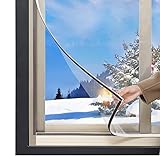
- Top Pick: Magnetic Window Insulation Kit Suitable for Winter and Summer,Magnetic Strip and Heat Reflective Aluminum Film Kit Suitable for Home Window,RV Window,Self Adhesive Easy to Install(24"x36"(61x92cm))
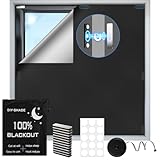
- Best Value: Magnetic Aluminum Film Kit Suitable for Winter and Summer,Magnetic Strip and Heat Reflective Aluminum Film Kit Suitable for Home Window,RV Window,Self Adhesive Easy to Install(51"x59"(129x150cm))
- Premium Choice: DIY Magnetic Window Insulation Kit 56"x35" Indoor Clear Film for Heat and Cold Winterizing Kit Cuttable Transparent Window Covering

Window insulation is one of the highest-impact upgrades you can make to a van build after the walls and ceiling are insulated. Glass conducts heat and cold dramatically faster than an insulated panel, and most cargo vans have large windows that become the dominant source of temperature loss in winter and heat gain in summer. Magnetic window insulation kits solve this with a removable, cleanly finished panel that attaches in seconds and stores flat when not needed.
🛒 Best Price Today on Amazon
Prime members get fast, free shipping on everything above, plus member-only deals. New members get a 30-day free trial — cancel anytime.
As an Amazon Associate we earn from qualifying purchases.




Quick Picks
Havelock Wool Window Insulation Kit with Magnets
Wool-faced magnetic panels that provide genuine insulation value along with blackout capability, in a clean finish that looks intentional inside the van. Custom-cut options available for most popular van models including Transit and Sprinter.
- Natural wool face for finish quality
- Dual-layer insulation construction
- Strong rare-earth magnets




As an Amazon Associate we earn from qualifying purchases. Product prices and availability are accurate as of the date/time indicated.
Fog & Mare Van Window Insulation Covers
Reflective-core magnetic window covers engineered specifically for Transit, Sprinter, and ProMaster vans, with a grey felt exterior that blends with van interiors and strong magnetic attachment that holds through vibration.
- Reflective core blocks radiant heat
- Grey felt exterior for clean look
- Model-specific fit templates


As an Amazon Associate we earn from qualifying purchases. Product prices and availability are accurate as of the date/time indicated.
Reflectix Window Insulation with DIY Magnetic Strips
The classic DIY approach using Reflectix double-bubble foil insulation cut to window shape and fitted with adhesive magnetic strips. Requires some initial work but costs a fraction of pre-made kits and performs surprisingly well for radiant heat blocking.
- Excellent radiant heat reflection
- Fully customizable to any van shape
- Lowest cost per window
Why Trust Our Recommendations
See also: MaxxFan Deluxe vs Fantastic Fan for Vans: Which to Choose? • Can I Lay LVP in a Van? Van Flooring Guide
We’ve tested window insulation in real-world conditions — parked at elevation in 10°F nights, in direct summer sun at desert campgrounds where window glass gets hot enough to burn your hand, and in urban overnight spots where blackout capability is as important as thermal performance. We paid close attention to how easily covers install and remove in the dark, how well magnets hold after repeated use, and whether the interior finish looks clean enough for a built-out van that doubles as a living space.
Detailed Reviews
1. Havelock Wool Window Insulation Panels
Havelock Wool makes insulation products that van builders respect for build quality, and their window panels follow the same philosophy. Each panel uses a wool batting core sandwiched between a rigid backing and a fabric facing, with rare-earth magnets embedded around the perimeter that lock onto the metal window frame of most cargo vans. The wool core provides genuine R-value — not as dramatic as a fully insulated wall panel, but meaningfully better than bare glass. More importantly for many van dwellers, the wool face gives the interior a finished, intentional look that Reflectix and pure foam panels can’t match. The panels are cut to common van window shapes and sized to overlap the glass edge slightly, covering any condensation-prone frame areas as well as the glass itself. Magnetic hold is strong enough that panels stay in place over rough roads without rattling or falling. Installation of the corresponding metal strips inside the van frame is a one-time process that takes an afternoon. .
2. Fog & Mare Van Window Insulation Covers
Fog & Mare has built a reputation specifically in the van conversion market with window covers designed around actual van window geometry rather than generic RV shapes. The covers use a reflective core material (similar to Reflectix in function) laminated to a grey felt outer layer that coordinates with the muted color palettes most van builders use. The reflective core handles radiant heat gain effectively in summer — blocking sunlight before it becomes thermal energy inside the van. In winter the same layer reflects interior radiant heat back inward. The grey felt exterior is aesthetically neutral and doesn’t look like emergency space blanket material from the inside. Magnets are sewn into the perimeter at regular intervals, and the holding strength has proven adequate through extended road travel including rough dirt roads. The model-specific fit means less edge gap and better coverage than generic cut-to-fit solutions. One minor criticism: the felt surface picks up pet hair and dust more readily than some alternatives. .
3. Reflectix Double-Reflective Insulation (DIY Kit)
Reflectix is the van build community’s classic DIY insulation material, and for window covers specifically it performs its primary job — radiant heat reflection — extremely well. The double-bubble foil construction blocks direct sunlight effectively, which is why it remains popular despite the visual drawback of looking like space blanket material from both inside and outside. For a DIY magnetic window cover setup, you cut Reflectix to the window shape using a cardboard template, apply adhesive magnetic strips to the van window frame metal, and apply matching magnetic strips to the Reflectix edge. Total material cost per window is a fraction of commercial kits. The process requires a few hours of template making and cutting, but the result is custom-fit to your specific van’s window shapes — something generic kits can’t guarantee. Where Reflectix falls short: it provides minimal conductive insulation (the air-gap principle requires actual air space to work), it’s crinkly and noisy, and the foil look inside the van isn’t refined. But for budget builds or first-time van lifers testing out configurations, it’s a completely valid starting point. .
4. EzShade Vehicle Window Shade Insulator
The EzShade takes a different approach — rather than magnetic attachment, these foam-core panels use friction and window frame pressure to stay in place, wedging between the glass and the window frame or door frame to hold without any permanent hardware. This makes them an excellent choice for van builders who want zero permanent modifications, or for rented or borrowed vehicles. The foam core provides modest but real insulation value, and the reflective outer surface handles radiant heat similarly to Reflectix. Installation and removal takes only seconds per window — just push them in or pull them out. The tradeoff is that fit is less precise than model-specific magnetic covers, and the wedge-pressure method means they can fall out on very smooth glass if the fit isn’t snug. They work best in vans where the window frame has a distinct channel or lip that the panel can press against. For cab windows (windshield and door windows) that need temporary coverage, the no-modification approach is often preferable to magnetic hardware.
As an Amazon Associate we earn from qualifying purchases. Product prices and availability are accurate as of the date/time indicated.
.Buyer’s Guide
Thermal Performance vs. Blackout Priority
Window insulation serves two distinct functions that sometimes require different materials: thermal insulation (reducing heat transfer through the glass) and blackout (blocking light for stealth parking and sleep quality). Reflective materials like Reflectix excel at radiant heat blocking but are essentially opaque, so they provide blackout incidentally. Wool-faced panels can be made with a dark layer for blackout or a lighter layer for a warmer interior feel. Before buying a system, clarify your priorities — if you primarily camp in hot, sunny climates, radiant heat blocking is paramount. If you park in urban environments under streetlights, complete blackout may matter more than R-value.
Magnetic Installation Basics
The metal window frame area in most cargo vans is ferromagnetic — magnets stick directly to it without any additional hardware. For windows where the frame is plastic-trimmed or painted in a way that reduces magnetic adhesion, you can apply adhesive-backed steel strips to the frame surface to create a reliable magnetic attachment point. Before buying any magnetic window cover kit, test a strong rare-earth magnet on your specific van’s window frames to confirm adequate adhesion. Most Transit and Sprinter vans have excellent magnetic surfaces around cargo windows. Cab door windows often have plastic frames requiring adhesive strips.
Condensation and Moisture Management
Window insulation panels reduce condensation on glass by keeping the glass surface warmer (closer to interior air temperature), which reduces the temperature differential that causes water to condense. However, if there’s a gap between the panel and the glass, warm moist air can migrate into that gap and condense on the cold glass surface — actually concentrating moisture in a hidden location. Panels that fit snugly and cover the full glass area (including frame edges) minimize this gap-condensation problem. If you notice moisture buildup between your panel and the glass, improve the perimeter seal or consider a panel with softer edges that compress against the frame.
Related Guides
- Best Van Bug Screen Window Options to Keep Mosquitoes Out…
- Van Life Outdoor Rug Foldable
- Roof Cargo Box Waterproof Van Review
- Van Solar Wire MC4 Connectors
Frequently Asked Questions
Do window insulation panels work in summer heat?
Yes, significantly. In direct summer sunlight, uninsulated van glass can raise interior temperatures by 20-30°F compared to an insulated or shaded van. Reflective window covers block a large percentage of incoming solar radiation before it converts to heat inside the van. The effect is most pronounced on windows that face direct sun — the windshield and side windows facing east or west during morning and afternoon sun are the highest priority. Even modest window insulation on sun-facing glass measurably reduces interior temperature and the workload on any cooling system you’re running.
Will magnetic strips damage my van’s window frames?
Magnets themselves don’t damage painted or unpainted metal surfaces. Adhesive-backed steel strips used on plastic frames use 3M VHB or similar adhesive that can be removed cleanly with an adhesive remover or heat gun if needed. The strips don’t scratch or chemically affect the underlying surface. If you’re concerned about lease-end or resale condition, the adhesive strips are removable, and the magnetic panels themselves leave no marks on the window frame metal.
What about the cab windows — windshield and door glass?
Cab windows are often a separate challenge from cargo area windows because door frames are typically plastic-trimmed and the windshield is curved. Purpose-made windshield sunshades (the folding accordion style) handle the front glass effectively. For door windows, adhesive steel strips applied to any metal frame sections allow magnetic panels to attach, or you can use friction-fit foam panels. Some van dwellers use a custom curtain track installed behind the cab seats to hang a curtain that separates the cab from the living area, providing an alternative window treatment for all cab glass at once.
How much do window insulation panels actually reduce heat loss?
Single-pane glass has an R-value of roughly 0.9. A basic Reflectix panel adds approximately R-1 to R-2 when there’s an air gap, and a wool or foam-cored panel adds R-2 to R-4 depending on thickness. This roughly doubles or triples the insulating value of the window — meaningful but not equivalent to an insulated wall panel at R-8 to R-13. The practical impact is most noticeable in moderately cold weather (30-45°F nights) where window covers meaningfully reduce heating requirements. In extreme cold, window covers are necessary but not sufficient — a diesel heater or other heating source is still needed.
Final Verdict
For a finished, built-out van where aesthetics matter, Fog & Mare’s model-specific covers or Havelock Wool panels are worth the investment — they perform well and look like they belong in the space. For budget builds or vans still in progress, the Reflectix DIY approach delivers excellent radiant heat performance at minimal cost and lets you refine panel shapes over time. Whichever system you choose, covering all cargo area windows and the windshield gives you the majority of the thermal benefit.