Last updated: October 4, 2026
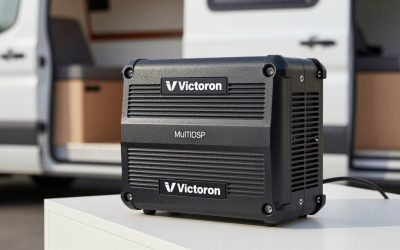
The best power inverters for camper vans are pure sine wave units sized about 25 percent above your largest single load, and for most builds that means either a 1,000 to 1,500 W standalone inverter for laptops and small appliances or a 2,000 W class inverter charger such as the Victron MultiPlus 12/2000 or Xantrex Freedom XC 2000 if you want shore power charging and induction cooking. Modified sine wave inverters are cheap, but they cause buzzing, heat and failures in many chargers, fans and kitchen appliances, so skip them for living use.
Step 1: Size the Inverter From Your Real Loads
Add up what you will run at the same time, not everything you own. Then add headroom for startup surges.

Renogy Inverter P2 3000W Pure Sine Wave Inverter 12V DC to 120V AC Converter for Home, RV, Truck, Camping, Trailer, with Wired Remote Controller, Support Li, AGM, SLD, Gel, FLD Batteries
Included for 'Best Power Inverters for Camper Vans: Sizing by Load, Idle Draw and Inverter-Charger Picks' because the listing specifies Truck and Camping, details this guide uses to compare options.
View on Amazon
Renogy Inverter PUH, 3000W Pure Sine Wave Power Inverter with UPS Transfer Switch & Bluetooth, 12V DC to 120V AC Converter for RV, Truck, Home,Camping - 6000W Surge Power, Remote Monitoring
Included for 'Best Power Inverters for Camper Vans: Sizing by Load, Idle Draw and Inverter-Charger Picks' because the listing specifies 12V DC to 120V AC Converter for RV and Truck, details this guide uses to compare options.
View on Amazon
Renogy Pro 2000W Pure Sine Wave Inverter 12V to 120V, 92% High-Efficiency
Included for 'Best Power Inverters for Camper Vans: Sizing by Load, Idle Draw and Inverter-Charger Picks' because the listing specifies 92% High-Efficiency, details this guide uses to compare options.
View on Amazon
Renogy Inverter P2 700W, 12V to 110V Pure Sine Wave Solar Car Power Inverter, DC to AC Converter with 16.4FT Remote Control for RV, Truck, Camping, Home Backup, Outdoor, Emergency, Off-Grid Living
Included for 'Best Power Inverters for Camper Vans: Sizing by Load, Idle Draw and Inverter-Charger Picks' because the listing specifies 12V to 110V Pure Sine Wave Solar Car Power Inverter and DC to AC Converter with 16.4FT Remote Control for RV, details this guide uses to compare options.
View on Amazon| Appliance | Typical running watts | Startup / surge | DC current at 12 V (approx.) |
|---|---|---|---|
| Laptop charger | 60 – 100 W | minimal | 6 – 10 A |
| Camera / drone battery charger | 50 – 150 W | minimal | 5 – 14 A |
| Blender | 300 – 700 W | up to 2x running | 28 – 65 A |
| Single-burner induction cooktop | 1,200 – 1,800 W | low | 110 – 165 A |
| Compact microwave (700 W cooking) | 1,000 – 1,200 W input | moderate | 95 – 110 A |
| Hair dryer (low setting) | 800 – 1,000 W | low | 75 – 95 A |
| Espresso machine | 1,200 – 1,500 W | low | 110 – 140 A |
The DC current column assumes about 90 percent inverter efficiency: amps = watts / 0.9 / 12. That number decides your cable size, fuse size and whether your battery BMS can keep up.
Worked example: induction cooking
A 1,500 W induction burner draws about 1,500 / 0.9 / 12 = 139 A from a 12 V battery. A 2,000W inverter for van use handles this with room for a laptop at the same time. Twenty minutes of cooking uses about 46 Ah, which a 200 Ah lithium bank absorbs easily, but a single 100 Ah battery with a 100 A BMS would trip its protection. Size the battery and the inverter together.
Standalone Inverter or Inverter Charger?
See also: How Long Will a 100Ah Battery Last in a Van? Runtime Math Explained • Best Level 2 EV Chargers for Home
An inverter charger for camper builds combines a pure sine wave inverter, a shore power battery charger, and an automatic transfer switch in one box. Plug into a campground pedestal and it charges your batteries while passing power through to your outlets. Unplug and it switches to inverting automatically.
| Option | Continuous output | Built-in charger | Transfer switch | Typical idle draw | Typical price range |
|---|---|---|---|---|---|
| Victron Phoenix 12/1200 (standalone) | about 1,000 W | No | No | under 10 W | $350 – $500 |
| Generic 2,000 W pure sine wave inverter | 2,000 W | No | Some models | 15 – 30 W | $200 – $450 |
| Victron MultiPlus 12/2000/80 | about 1,600 W (2,000 VA) | 80 A | Yes, 50 A | about 10 – 15 W | $1,000 – $1,400 |
| Xantrex Freedom XC 2000 | 2,000 W | 80 A | Yes | about 10 – 20 W | $900 – $1,300 |
| Renogy 2,000 W inverter charger (pure sine) | 2,000 W | Yes | Yes | about 15 – 25 W | $600 – $900 |
Idle draw matters more than most buyers expect. An inverter left on at 20 W idle consumes 480 Wh per day, nearly a full 100 Ah lithium battery every two days. Use power-saving or search modes, or switch the inverter off when not in use.
Picks by Build Type
Weekend van, laptops and phones: 1,000 to 1,200 W pure sine wave
A compact unit like the Victron Phoenix 12/1200 runs laptops, camera chargers and a small blender with low idle draw. Many weekend vans do fine with 12 V and USB outlets plus a small inverter used only occasionally.
Remote work and occasional cooking: 2,000 W standalone
A quality 2,000 W pure sine wave inverter covers induction cooking or a microwave. Look for low idle consumption, a remote on/off switch, and a proper low-voltage cutoff that matches your battery chemistry.
Full-time living with shore power: inverter charger
The Victron MultiPlus and Xantrex Freedom XC lines are the common choices. The MultiPlus integrates with Victron monitoring and lets you set shore current limits, which is useful at weak campground pedestals. The Freedom XC has a higher continuous inverter rating at the 2,000 W level. Either reduces wiring complexity compared with separate inverter, charger and transfer switch.
Safety and Installation Notes
- Fuse the DC input close to the battery. Use the fuse type and rating specified by the inverter manufacturer. A 2,000 W inverter typically calls for a large fuse (often in the 200 to 300 A range at 12 V) and heavy cable.
- Keep DC cables short and correctly sized. Undersized cable heats up, wastes energy and causes low-voltage shutdowns under load. Follow the manual’s cable chart.
- Ground and bond correctly. Inverter chargers have specific chassis grounding and neutral-ground bonding requirements. Follow the installation guide or have a qualified electrician do the AC side.
- Ventilation. Inverters shed heat. Give them airflow per the manual, and do not bury them under bedding or in sealed cabinets.
- Use proper AC outlets and a GFCI. Treat the van’s AC side like household wiring, with protected outlets and correctly rated wire.
AC wiring mistakes can cause shock or fire. If you are unsure about any part of the AC installation, hand it to a professional.
Common Mistakes
- Buying a 3,000 W inverter for a 100 Ah battery. The battery’s BMS, not the inverter, becomes the limit.
- Leaving the inverter on 24/7. Idle draw quietly drains the bank.
- Running a hair dryer on high. Many are 1,800 W or more. Use the low setting or skip it.
- Mismatched low-voltage cutoff. Lead-acid default settings can over-discharge or prematurely cut off a lithium bank.
Quick Recommendation Table
| Battery bank | Largest load | Recommended inverter |
|---|---|---|
| 100 Ah lithium | Laptop, small blender | 1,000 – 1,200 W pure sine wave |
| 200 Ah lithium | Induction burner or microwave | 2,000 W pure sine wave or inverter charger |
| 300 Ah+ lithium | Induction + other loads together | 2,000 – 3,000 W inverter charger |
Match the inverter to the battery, keep idle draw low, and spend the money on correct fusing and cabling. That combination is what makes a van electrical system reliable.