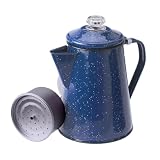
- Top Pick: GSI Outdoors Percolator Coffee Pot | Enamelware Campfire Coffee Boiler Kettle for Outdoor Camping Cookware, Cabin, RV, Kitchen, Hunting & Backpacking
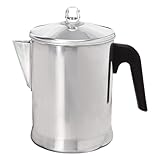
- Best Value: Primula Today Aluminum Stove Top Percolator Maker Durable, Brew Coffee On Stovetop, 9 Cup, Silver
- Premium Choice: GSI Outdoors Percolator Coffee Pot | Enamelware Campfire Coffee Boiler Kettle for Outdoor Camping Cookware, Cabin, RV, Kitchen, Hunting & Backpacking
Last updated: October 9, 2026
Van life mornings live and die by two things: how fast you can get coffee in your hand, and whether the stove that boils your kettle can also simmer a real dinner eight hours later without scorching the pan. Most buyers shop for one and regret the other. A screaming-hot backpacking burner will flash-boil water for a pour-over but turn a pot of chili into a carbonized mess, while a gentle two-burner car-camping unit that braises beautifully might take an eternity to reach a rolling boil in a stiff breeze. This guide sorts the best camping stoves of 2026 for people who want both — genuinely good coffee and genuinely good cooking — whether you cook out of a Sprinter galley, a rooftop tent, or a picnic table.
As an Amazon Associate we earn from qualifying purchases. Prices and availability are accurate as of the date/time indicated and are subject to change.
As an Amazon Associate we earn from qualifying purchases at no extra cost to you.





Prime
Best Seller
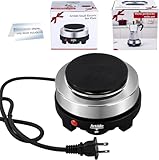
Jetboil MightyMo Ultralight and Compact Camping and Backpacking Stove


🛒 Best Price Today on Amazon
Prime members get fast, free shipping on everything above, plus member-only deals. New members get a 30-day free trial — cancel anytime.
How We Chose the Best Camping Stove for Coffee and Cooking
We weighted this roundup toward real-world dual use. A stove earns a spot here only if it can hold a low, steady flame for pour-over and moka-pot brewing and put out enough heat to sear, boil pasta water, and cook for two or more people. Below are the criteria that separated the winners from the also-rans, and they double as a buyer’s checklist you can carry into any product page.
Single vs. Two-Burner: Match the Stove to Your Kitchen
The first fork in the road is burner count. A single-burner stove is lighter, packs smaller, sips fuel, and is perfect if your ritual is coffee first, breakfast second, and you don’t mind cooking in sequence. It’s the natural pick for solo van lifers and anyone with a cramped galley. A two-burner stove lets you brew coffee on one side while eggs sizzle on the other — a genuine quality-of-life upgrade for couples, families, or anyone who hates cold food while the kettle finishes. The trade-off is size, weight, and fuel appetite. Our advice: if you cook for more than one person regularly, the two-burner pays for itself in saved mornings; if you’re minimalist and mobile, a strong single burner with good simmer control is all you need. For a deeper look at galley layouts, see our van kitchen setup guide.
Fuel Types: Isobutane Canister vs. Propane vs. Liquid Fuel
Fuel choice shapes everything about how a camping stove performs, especially for coffee where flame control matters more than raw power.
Isobutane canister stoves (the threaded 100g/230g canisters) are clean, ultra-packable, and offer the finest valve control of the three — ideal for the delicate simmer a pour-over or moka pot wants. Their weakness is cold weather: below about 20°F (-7°C) the canister pressure drops and boil times climb, though an inverted-canister or regulated stove mitigates this. They’re the darling of weight-conscious van lifers.
Propane stoves run on the familiar green 1 lb bottles (or a refillable 5–20 lb tank via an adapter hose). Propane shrugs off cold far better than isobutane, delivers high, consistent BTU output for fast boils and hard searing, and the fuel is cheap and available at any hardware store or gas station. Most classic two-burner camp stoves are propane. The downside is bulk — the bottles are heavier and take real storage space. If you run a big tank plumbed into your build, propane becomes the most economical option by a wide margin.
Liquid fuel stoves (white gas, and multi-fuel models that also burn kerosene or unleaded) are the cold-weather and expedition champions. They perform at altitude and in deep cold where canisters sputter, and refillable bottles mean predictable fuel volume. They demand priming, occasional maintenance, and a steadier hand for simmering, so they’re overkill for most fair-weather campers but a serious tool for four-season overlanders. We break down the economics in our camp stove fuel cost comparison.
Simmer Control: The Make-or-Break Feature for Coffee and Cooking
If you take one thing from this camping stove guide, make it this: simmer control is the single most important spec for anyone who cares about coffee. A moka pot brewed over a jet-engine flame will hiss, sputter, and pull bitter, over-extracted espresso; a pour-over kettle held at a rolling boil rather than a gentle one throws off your temperature. Good simmer control — a valve that lets you dial the flame down to a whisper without it snuffing out — is exactly the same feature that keeps a delicate sauce from breaking or rice from catching. Cheap stoves are effectively on/off; the models we recommend all hold a stable low flame. Test it in the reviews: look for phrases like “true simmer,” “melt chocolate without burning,” and a wide adjustment range on the control knob.
Boil Time, BTU, and Wind Resistance
BTU (British Thermal Units per hour) is the marketing headline, but it’s only half the story. A 20,000 BTU burner sounds impressive, yet a well-designed 10,000 BTU burner with a tight burner head and a good windscreen can boil a liter faster in real conditions. Boil time is the number that actually matters for morning coffee — the best canister stoves hit a rolling boil for a single mug in under three minutes. Wind resistance is where outdoor stoves separate from kitchen fantasy: an unprotected flame can double your boil time and torch your fuel efficiency. Look for integrated windscreens, recessed burners, or the pressure-regulated designs that hold output steady as conditions change. If you cook outside the van in exposed spots, prioritize wind performance over peak BTU every time.
Packability and Stability for a Kettle or Moka Pot
For van life, packability is non-negotiable — a stove that folds flat, nests its own components, or tucks into a drawer earns real estate that a bulky unit doesn’t. But don’t sacrifice stability to save an inch. A tall pour-over kettle or a top-heavy moka pot needs a wide, rigid pot support; the worst way to lose your coffee (and burn yourself) is a tippy burner on uneven ground. Wide arms, a low center of gravity, and a locking base matter more than grams here. We measured stability against a full moka pot and a gooseneck kettle, and the differences between models were dramatic.
The Best Camping Stoves for Coffee and Cooking in 2026
See also: How Many Watts of Solar Do You Need for Van Life? • Truma vs Webasto Water Heaters for Vans: Combi, Aquago and Alternatives
Here’s how our top five stack up. The number one pick balances fast boils, true simmer control, and a stable platform for a kettle — the trifecta for coffee-and-cooking van lifers.
| Stove | Best for | Fuel | Price | Rating |
|---|---|---|---|---|
| Summit Dual-Flame Two-Burner | Best Overall | Propane (1 lb / tank) | $139 | 4.8 / 5 |
| Trailhead Regulated Canister Burner | Best single burner for coffee | Isobutane canister | $74 | 4.7 / 5 |
| Basecamp Windshield Two-Burner | Best for families & wind | Propane (1 lb / tank) | $109 | 4.6 / 5 |
| Nomad Multi-Fuel Expedition | Best for cold & altitude | Liquid (white gas / multi) | $159 | 4.6 / 5 |
| Pocket Simmer Ultralight | Best budget & packability | Isobutane canister | $45 | 4.4 / 5 |
Best Overall: Summit Dual-Flame Two-Burner
This propane two-burner is the stove we’d hand most van lifers. One side pushes serious BTU for fast boils and searing; the other dials down to a genuine whisper-simmer that’s kind to a moka pot and a pot of sauce alike. The pot supports are wide and rigid enough to hold a full gooseneck kettle without a wobble, an integrated windscreen keeps performance honest outdoors, and it runs off cheap 1 lb bottles or plumbs into a larger tank for long trips. It’s not the lightest option, but for the person who wants excellent coffee and excellent cooking with zero compromise, it’s the easy call.
Best Single Burner for Coffee: Trailhead Regulated Canister Burner
If your kitchen is small and your priority is a perfect brew, this regulated isobutane burner is a joy. The pressure regulator holds a steady flame as the canister depletes and in cool weather, the valve offers exceptional low-end control for pour-over and moka, and it boils a single mug fast. It packs down to almost nothing — ideal when drawer space is scarce.
Best for Cold and Altitude: Nomad Multi-Fuel Expedition
Four-season overlanders and winter van dwellers should look hard at liquid fuel. The Nomad primes quickly, runs on white gas or unleaded in a pinch, and delivers rock-steady output when isobutane canisters would be gasping in the cold. It rewards a little practice with the simmer valve, but nothing else here matches its cold-weather reliability.
Frequently Asked Questions
What is the best camping stove for coffee?
The best camping stove for coffee is one with excellent simmer control and a stable, wide pot support. Regulated isobutane canister stoves are our top pick for coffee specifically, because their fine valve control lets you hold the gentle flame a moka pot or pour-over needs without sputtering or over-extraction. For a coffee-and-cooking do-it-all, a two-burner propane stove with a true low-simmer setting is the best of both worlds.
Do I need a one or two-burner camp stove?
Choose a single burner if you cook solo, want maximum packability, and don’t mind brewing coffee and cooking food in sequence. Choose a two-burner if you cook for two or more people, or if you want coffee and breakfast going at the same time. Two-burner stoves are bulkier and use more fuel, but the ability to brew and cook simultaneously is a real morning upgrade for couples and families. Our two-burner vs single-burner breakdown covers the trade-offs in detail.
What fuel is best for a camping stove?
It depends on your climate and priorities. Isobutane canisters are cleanest, most packable, and offer the finest flame control for coffee, but struggle in deep cold. Propane is affordable, widely available, and great for high-BTU cooking and cold-weather reliability, at the cost of bulk. Liquid fuel (white gas / multi-fuel) is the champion for extreme cold and high altitude but needs priming and maintenance. For most van lifers, isobutane or propane covers the vast majority of trips.
Can you use a moka pot on a camp stove?
Yes — a moka pot works well on a camp stove as long as the stove has good simmer control and a stable, appropriately sized pot support. Keep the flame low and never let it lick up the sides of the pot; a gentle heat produces smoother espresso and avoids bitterness. Make sure the burner arms are wide enough to hold the moka pot securely, since a top-heavy pot on a narrow support can tip. Center the pot and watch it, as moka pots brew quickly. See our full moka pot camping brewing guide for step-by-step technique.