Last updated: October 4, 2026
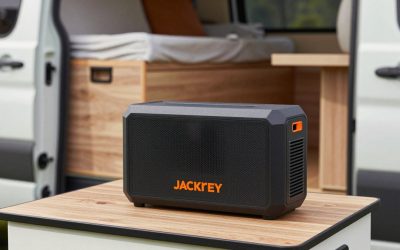
The Jackery Explorer 1000 v2 is a smart buy for van lifers, weekend campers, and anyone who wants a portable power station that can run a 12V fridge, laptops, lights, and a few kitchen appliances without a generator. It packs 1070Wh of LiFePO4 capacity and a 1500W continuous AC output into a unit light enough to carry, and it usually sells for roughly $450–$600 when it is on sale, which is competitive for a name-brand 1kWh station.
It is not the right tool for running an air conditioner for hours, powering a full electric kitchen, or serving as whole-home backup. For those jobs you need a 2kWh-plus system or a permanent lithium build. As a plug-and-play power hub for a van, a campsite, or short power outages, the 1000 v2 is one of the most balanced options in its class.
Who it is for
- Weekend and part-time van lifers who want power without wiring a house battery.
- Campers and overlanders running a 12V fridge, camp lighting, phones, cameras, and drones.
- Remote workers on the road charging laptops and monitors.
- Homeowners who want a quiet backup for a fridge, router, and phones during short outages.
Who should look elsewhere
- Full-time van dwellers with induction cooking or air conditioning: consider a larger expandable station or a permanent system.
- Buyers who only need to charge phones and laptops: a 300–500Wh station is lighter and cheaper.
Key specs
See also: How Many Watts of Solar Do You Need for Van Life? • Truma vs Webasto Water Heaters for Vans: Combi, Aquago and Alternatives
| Spec | Jackery Explorer 1000 v2 |
|---|---|
| Battery capacity | 1070Wh |
| Battery chemistry | LiFePO4 (lithium iron phosphate) |
| Continuous AC output | 1500W |
| Surge output | 3000W |
| AC outlets | 3, pure sine wave |
| USB ports | 2 USB-C, 1 USB-A |
| 12V output | Car port |
| Weight | About 23.8 lb |
| Fast charging | Emergency one-hour wall charging via the Jackery app |
| Typical price range | About $450–$600 on sale |
What stands out
LiFePO4 at a manageable weight
Older Jackery 1000 models used NMC lithium cells. The v2 moves to LiFePO4, which is the chemistry most van builders prefer because it tolerates thousands of charge cycles and is more thermally stable. Jackery rates the 1000 v2 for thousands of cycles before capacity drops to 70%, which means daily use for many years. The surprise is that it stays at under 24 lb, light enough to carry from the van to a picnic table one-handed.
1500W covers most camp appliances
1500W continuous handles an electric kettle on a lower setting, a small coffee maker, a blender, a hair dryer on low, or an induction plate at moderate power. The 3000W surge rating helps with appliances that draw a spike at startup, such as compressor fridges and some power tools.
Fast wall recharging
Through the app you can enable an emergency charging mode that refills the battery from a wall outlet in about one hour. That is very useful when you have a short stop at a campground with hookups or a café with an outlet. Standard charging is slower but gentler on the battery, so save the fast mode for when you need it.
Real-world runtime estimates
Portable stations lose some energy to the inverter, so plan on getting roughly 85% of the rated 1070Wh at the AC outlets, or around 900Wh usable. Estimates below are approximate.
| Device | Typical draw | Approximate runtime |
|---|---|---|
| 12V compressor fridge (cycling) | About 300–450Wh per day | 2–3 days |
| Laptop | 50–70W | 13–18 hours |
| LED string lights | 10W | 80+ hours |
| Starlink-style satellite dish | 50–75W | 12–18 hours |
| Electric kettle | 1200W | Around 40 minutes of boiling |
Trade-offs and limits
Not expandable like some rivals
Some competing 1kWh stations accept add-on batteries. If you expect your power needs to grow, look at expandable systems before committing.
Solar input is moderate
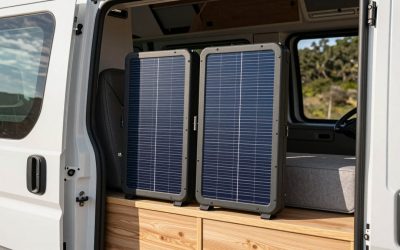
The 1000 v2 accepts solar panels, but its solar input ceiling is modest compared with larger stations. With a typical 200W panel in good sun, expect to add a few hundred watt-hours per day, which keeps up with a fridge and devices but not heavy cooking.
Only three AC outlets
Three AC outlets plus USB covers most setups, but you may need a short power strip for chargers. Keep total load under 1500W.
App needed for some features
Emergency charging and some settings live in the app. The station works fine without it, but you will want to set it up once.
Van life setup tips
- Secure it. Strap the station to the floor or a cabinet base so it cannot slide during braking.
- Use the 12V port for the fridge. Running a 12V fridge from the car port avoids inverter losses and stretches runtime.
- Turn off AC when not in use. The inverter draws power even with light loads.
- Charge while driving. A car charging cable from your 12V socket adds energy on travel days, although it is slow.
- Keep it ventilated and out of direct sun on hot days.
- Store at partial charge. For long storage, keep the battery around half to two-thirds full and top up every few months.
Alternatives to consider
Smaller Jackery Explorer models: For phones, cameras, and laptops only, a 300–500Wh model saves weight and money.
Larger 2kWh stations: If you cook electrically every day or run a fridge plus a heater fan for days, more capacity will reduce range anxiety.
FAQ
Can the Jackery Explorer 1000 v2 run a microwave?
A small microwave drawing under 1500W at the wall can run for short periods. Check the appliance label; many “1000W” microwaves draw more than that from the outlet.
Can it charge while powering devices?
Yes, it supports pass-through charging, which is handy at campsites with hookups.
Is it safe inside a van?
LiFePO4 chemistry is considered one of the more stable lithium options, and the unit has built-in battery management. Keep it ventilated and secured.