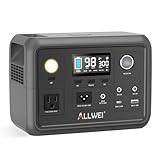
- Top Pick: Setpower PG216Wh Portable Power Station,Magnetic Power Bank,Outdoor Generator for SetPower 12V Refrigerator PT35/PT45/PT55/RV45S Home Backup Outdoor Emergency RV Van Hunting
- Best Value: BLUETTI FridgePower Portable Power Station, 2016Wh 1800W LFP Battery Backup
- Premium Choice: ICECO PB250 Portable Power Station, 250Wh Magnetic Power Bank, Outdoor Generator 12V Refrigerator, Mobile Lithium Battery Pack, for Home Backup Outdoor Emergency RV Van Hunting
Last updated: September 18, 2026
The Short Answer
For most 12V refrigerators, choose a power station with at least 250Wh of capacity and a 100W continuous AC output if you plan to use the refrigerator’s AC adapter. A 250Wh unit can typically support a compact 12V fridge for roughly 12 to 24 hours, depending on ambient temperature, thermostat settings, insulation, and how often the lid is opened.
For overnight trips, a 500Wh power station is a more comfortable choice. For weekend camping, van travel, or a refrigerator shared with phones, lights, and a laptop, look for 700Wh to 1,000Wh. A large 2,000Wh model is usually unnecessary for one fridge unless you need several days of backup power or want to run additional appliances.
As an Amazon Associate we earn from qualifying purchases at no extra cost to you. Product prices and availability are accurate as of the date shown and are subject to change.


Capacity is measured in watt-hours (Wh), while the refrigerator and power station output are rated in watts (W). A typical 12V refrigerator draws about 35W to 60W while its compressor is running, but it cycles on and off. Its average consumption may be closer to 20W to 40W per hour in moderate conditions. To estimate runtime, use:
Runtime = power station watt-hours × 0.85 ÷ refrigerator average watts
The 0.85 factor allows for conversion losses and reserve capacity. For example, a 500Wh station powering a fridge averaging 30W may provide about 14 hours: 500 × 0.85 ÷ 30 = 14.2.
Standard Sizes
See also: How to Install a 12v Fridge Securely (2026): Step-by-Step • How to Test Portable Power Station Capacity (2026): Step-by-Step
The following size groups cover the power stations most often paired with portable 12V refrigerators. Dimensions are representative exterior sizes for common models in each capacity class, not a guarantee for every product. Always compare the manufacturer’s listed measurements before buying.
| Power station class | Typical capacity | Representative dimensions | Approximate weight | Best use |
|---|---|---|---|---|
| Compact | 150–300Wh | 9.1 × 6.3 × 3.1 in (23.1 × 16.0 × 7.9 cm) | 4–8 lb (1.8–3.6 kg) | Short trips, emergency top-ups, small fridges |
| Mid-size | 400–700Wh | 11.8 × 7.5 × 7.7 in (30.0 × 19.1 × 19.6 cm) | 10–18 lb (4.5–8.2 kg) | Overnight use and weekend camping |
| Large | 800–1,200Wh | 14.0 × 9.5 × 10.5 in (35.6 × 24.1 × 26.7 cm) | 20–30 lb (9.1–13.6 kg) | Multi-day trips and several devices |
| Extra-large | 1,500–2,000Wh | 16.0 × 11.0 × 14.0 in (40.6 × 27.9 × 35.6 cm) | 35–55 lb (15.9–24.9 kg) | Home backup, long stays, multiple appliances |
A compact 216Wh or 250Wh magnetic power bank is a sensible match for a small 12V refrigerator when portability matters. Products in this category commonly cost about $120 to $180. For example, the Setpower PG216Wh is listed at $129.99, while the ICECO PB250 is listed at $139. These smaller units are easy to carry and can fit beside a fridge in a vehicle, but they offer limited reserve power.
A 2,016Wh station, such as the BLUETTI FridgePower, costs about $900 to $1,000 and is better suited to extended backup use. Its capacity can support a refrigerator for several days under favorable conditions, although other loads, weather, and charging availability will change the result.
Do not size by watt-hours alone. Check that the station has a suitable 12V DC output, ideally rated for at least 10A, or use the refrigerator’s supplied AC adapter with an inverter. A pure sine wave inverter is preferable for compressor appliances. Also check the station’s maximum output because a refrigerator can briefly draw more power when the compressor starts.
How to Measure Your Space
- Measure the available length, width, and height. Use a tape measure and record the smallest usable dimension in inches. Convert to centimeters by multiplying inches by 2.54.
- Include cable clearance. Leave at least 2 inches behind or beside the power station for plugs and ventilation. Right-angle cables may reduce the required clearance.
- Check the refrigerator’s connection point. A DC cable may need to reach from the station to the fridge without crossing a walkway, door, or seat track.
- Measure openings, not just the final location. Compare the station’s packaged and unboxed dimensions with the car door, storage compartment, cabinet opening, or RV hatch.
- Allow airflow. Keep vents uncovered and avoid pressing the station tightly against upholstery or a wall. A practical target is 2 to 4 inches of open space around ventilation areas.
- Check the weight limit. A 20-pound station may be fine on a vehicle floor but unsuitable for a lightweight shelf or overhead cabinet. Consider the weight of cables and accessories, too.
- Account for the fridge lid or door. A power station placed beside a chest-style fridge should not block the lid from opening fully. Leave room to remove the battery for charging.
By Room or Use Case
Car camping and short road trips
Choose a 150Wh to 300Wh station for a compact 12V refrigerator used for one day or an overnight stop. This size is easy to lift in and out of a vehicle and usually has enough capacity for a small fridge plus phones. A 250Wh unit is a practical minimum, while a 500Wh model gives more margin if the vehicle is parked in hot weather.
Van life and weekend camping
A 500Wh to 700Wh station is the most balanced choice for a 30-quart refrigerator, which may cost about $200 to $300. One example is the BougeRV 30-quart 12V refrigerator, listed at $218.49. Pairing a fridge of this size with a 500Wh station can provide overnight operation plus energy for lights, phones, and small electronics. Choose 700Wh or more if you cannot recharge daily.
RV and extended off-grid use
For several days away from shore power, consider 800Wh to 1,200Wh. This range can operate a fridge while leaving capacity for LED lighting, a fan, camera batteries, or a laptop. A station with solar input is especially useful, but compare its maximum solar charging wattage with the panel you plan to use. Keep the station indoors or in a shaded, ventilated compartment rather than in direct sun.
Home emergency backup
A 500Wh station can keep a small refrigerator running during a short outage, but a 1,000Wh unit is a safer general-purpose choice. For longer outages, 1,500Wh to 2,000Wh provides more reserve and may also power a router, medical equipment, lights, or a freezer. Large stations often weigh 35 pounds or more, so choose a location where you can leave them ready rather than carry them frequently.
Common Sizing Mistakes
- Using the refrigerator’s peak wattage as its hourly consumption. A fridge rated at 50W does not necessarily use 50W continuously. Compressor cycling affects runtime.
- Buying the exact calculated capacity. Heat, poor ventilation, aging batteries, and frequent opening reduce runtime. Add at least 20% to 30% capacity beyond your estimate.
- Ignoring the output type. A station may have plenty of Wh but lack a suitable 12V port, enough amperage, or an inverter compatible with the refrigerator adapter.
- Forgetting other devices. Add the watt-hours for lights, laptops, fans, and chargers before choosing a size.
- Choosing a station that is physically too large. Confirm dimensions, ventilation space, cable clearance, and weight before ordering.
- Assuming solar charging is automatic. Solar input varies with panel size, shade, season, and the station’s charge controller. Treat it as a recharge method, not guaranteed continuous operation.
FAQ
Can a 300Wh power station run a 12V fridge?
Yes. A 300Wh station can run many compact 12V refrigerators for approximately 12 to 20 hours, depending on the fridge’s average draw and conditions. It is a good portable option for short trips but may not last a full day in extreme heat.
Is 500Wh enough for a 12V refrigerator overnight?
Usually. With an average load of 25W to 35W, a 500Wh station may provide about 12 to 17 hours after normal losses. Pre-chill the refrigerator, keep it shaded, and minimize lid openings to improve runtime.
What size power station do I need for a 40-quart fridge?
Choose at least 500Wh for overnight use and 700Wh to 1,000Wh for a weekend or multi-day trip. A dual-zone model or a refrigerator operated as a freezer may need more capacity because colder settings generally increase compressor runtime.
Can I leave a power station connected to a 12V fridge all the time?
Yes, if the station and refrigerator are designed for continuous operation and the station remains within its temperature and ventilation limits. Use the correct DC cable or AC adapter, keep the battery charged according to its instructions, and periodically inspect plugs and connections for heat or damage.
Ready to decide? Our #1 pick for 2026 is the Compact.
Live price & availability on Amazon.