Last updated: October 8, 2026
Beer is the better choice for a fuller, malty drink with a meal, while hard seltzer is usually the better choice when you want fewer calories, fewer carbohydrates, lighter flavor, and easier storage in a van.
The right pick in a beer vs hard seltzer how they compare decision depends less on alcohol percentage than on what you value at camp: taste, food pairing, weight, fridge space, cleanup, and how often you want to restock. Both are alcoholic drinks, so check local laws before drinking in or driving a van, and plan a sober driver whenever travel is involved.
- Beer vs hard seltzer at a glance
- Alcohol strength: percentage is only half the calculation
- Calories and carbohydrates
- Ingredients and dietary considerations
- Flavor, carbonation, and meal pairing
- Portability and storage in a small van
- Which one suits common van-life situations?
- Ownership realities: waste, freshness, and cleanup
- The bottom line
Beer vs hard seltzer at a glance
| Factor | Typical beer | Typical hard seltzer | Van-life advantage |
|---|---|---|---|
| Common serving | 12 fl oz can or bottle | 12 fl oz can | Neither; cans are usually easiest |
| Alcohol by volume | 4%–6%; stronger styles can exceed 8% | 4%–6%; some versions are stronger | Draw |
| Calories per 12 fl oz | About 140–200 for many regular beers | About 90–120 for many standard versions | Hard seltzer |
| Carbohydrates per 12 fl oz | Often 10–20 g; more in some craft styles | Often 1–5 g; check the label | Hard seltzer |
| Main alcohol source | Fermented malt, usually barley, plus hops and water | Fermented sugar or a neutral alcohol base, water, flavor, and carbonation | Depends on dietary preferences |
| Flavor and body | Malt, hops, yeast, bitterness, and fuller body | Light, crisp, often fruit-forward or citrus-led | Beer for meals; seltzer for refreshment |
| Typical package weight | 12 oz aluminum can: approximately 13–15 oz total | 12 oz aluminum can: approximately 13–15 oz total | Draw |
| Unopened storage | Cool, dark place; refrigeration improves freshness | Cool, dark place; refrigeration improves flavor | Draw, with careful rotation |
These are practical ranges rather than guarantees. Recipe, serving size, alcohol percentage, sweeteners, and brand-specific brewing methods can change the numbers. A 16-ounce can contains one-third more liquid, calories, carbohydrates, and alcohol than a 12-ounce can when the formulation is otherwise similar.
Alcohol strength: percentage is only half the calculation
See also: Spanish Cuisine: Classic Dishes and Ingredients • Sugar Free Cocktail Recipes That Actually Taste Good
Many standard lagers, pale ales, and hard seltzers fall between 4% and 6% ABV. That means a 12-ounce drink at 5% ABV contains about 0.6 fluid ounces of pure alcohol, regardless of whether it is beer or seltzer. A 16-ounce can at the same strength contains about 0.8 fluid ounces.
Beer has a wider range of styles. A light lager may be around 4% ABV, while an IPA, Belgian-style ale, or stout may be 6%–10% or higher. Hard seltzer is commonly lighter and more consistent, but “strong” seltzers can also reach 8%–10% ABV.
For van travel, check both ABV and can size. Two 16-ounce cans of 5% beer contain more alcohol than two 12-ounce cans, even though both packages may be described casually as “a couple of drinks.” Read the label and follow local serving guidance rather than relying on the package count.
Calories and carbohydrates
Hard seltzer generally wins if your priority is a lower-calorie, lower-carbohydrate drink. Many 12-ounce standard seltzers provide roughly 90–120 calories and 1–5 grams of carbohydrates. Some flavored varieties contain added sugar and can be higher.
Regular beer commonly provides about 140–200 calories and 10–20 grams of carbohydrates per 12 ounces. Light beers may come closer to 90–110 calories and 3–7 grams of carbohydrates, while pastry stouts, double IPAs, and sweet or high-alcohol beers can be substantially higher.
Alcohol itself contributes calories, so a low-carbohydrate drink is not necessarily low in calories. A simple comparison is useful: if you drink one 12-ounce, 5% hard seltzer at 100 calories instead of a 12-ounce, 5% beer at 160 calories, the difference is about 60 calories. Over four evenings, that is approximately 240 calories saved, assuming the serving sizes and recipes stay consistent.
Ingredients and dietary considerations
Beer is usually brewed from water, malted grain, hops, and yeast. Barley is common, although wheat, rye, oats, and other grains may also be used. This gives beer its color, body, malt sweetness, bitterness, and aroma. Beer may also contain gluten unless it is specifically made and labeled otherwise.
Hard seltzer is typically made by fermenting a sugar source or using a neutral alcohol base, then adding water, carbonation, and natural or artificial flavoring. Some products contain a small amount of sugar or other sweeteners. “Gluten-free” labeling varies by product and production method, so people avoiding gluten should read the can rather than assume all seltzer is suitable.
Neither category is automatically better for everyone. If ingredients matter because of an allergy, intolerance, dietary restriction, or medication, check the full label and ask a qualified healthcare professional when necessary.
Flavor, carbonation, and meal pairing
Beer offers more range with food. A crisp lager works with grilled vegetables, sandwiches, tacos, and salty snacks. A wheat beer can suit lighter salads or seafood, while a hop-forward pale ale or IPA can stand up to spicy, smoky, and strongly seasoned dishes. Dark beers pair naturally with roasted mushrooms, campfire-style beans, burgers, and rich stews.
Hard seltzer is usually cleaner, lighter, and more predictable. Lime, grapefruit, berry, mango, and lemon styles can complement grilled chicken, fruit, salads, seafood, and simple picnic food without competing with delicate flavors. The trade-off is that flavored seltzer can taste sweet, tart, or artificial beside a strongly seasoned meal.
Carbonation also affects the experience. Beer’s foam and dissolved carbon dioxide contribute to body and aroma, while hard seltzer often feels sharper and more soda-like. A hard seltzer that has warmed in a small van refrigerator may remain refreshing, but a warm beer can become noticeably less appealing depending on its style. Keep both cold, and open cans slowly after driving on rough roads to reduce foaming.
Portability and storage in a small van
Aluminum cans are usually the most practical format for van life. They are lighter than glass, stack efficiently, chill relatively quickly, and do not create broken-glass hazards around a compact living space. Cans also simplify recycling and make it easier to see how many drinks remain.
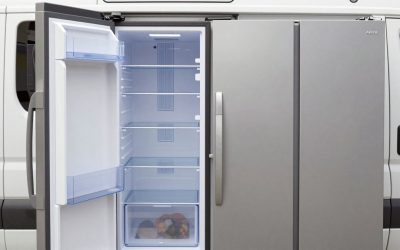
Beer and hard seltzer in the same can size occupy almost identical space. The more meaningful difference is often packaging strategy: a 12-pack of either drink takes about the same shelf length, while a mixed selection creates more waste and uses more refrigerator openings. If refrigerator capacity is limited, chill only what you expect to drink and keep the rest in a shaded, ventilated storage area where legal and safe.
Carbonation can expose weak storage habits. Avoid leaving cans in direct sun or a hot vehicle, and do not place them beside a heater or cooking appliance. Temperature cycling can reduce quality, and freezing may expand liquid enough to split a can. Put cans in a shallow bin so a leak does not spread through food, bedding, or electrical equipment.
Which one suits common van-life situations?
| Your situation | Better starting choice | Why |
|---|---|---|
| Cooking a hearty dinner | Beer | More body and broader savory-food pairing |
| Keeping calories and carbohydrates lower | Hard seltzer | Often about 40–80 fewer calories and much lower carbohydrates per 12 ounces |
| Very limited refrigerator space | Either, in cans | Can dimensions are similar; choose based on meal and preference |
| One uncomplicated drink with a light lunch | Hard seltzer | Light body and citrus or fruit flavors suit simple food |
| Exploring local breweries or regional styles | Beer | Much wider variation in ingredients, brewing, and flavor |
| Sharing with people who have different tastes | Mixed selection | Combine a neutral lager or low-bitterness beer with familiar seltzer flavors |
| Driving later | Neither | Choose a nonalcoholic drink and keep alcohol for when travel is finished |
Ownership realities: waste, freshness, and cleanup
Beer’s biggest practical weakness is freshness. Hoppy beers can lose aromatic character over time, and light, heat, and repeated warming can damage flavor. Buy smaller quantities if you move frequently, rotate older cans forward, and avoid stocking a style you only enjoy when very fresh.
Hard seltzer is often more forgiving in flavor consistency, but its thin liquid can spill easily and its fruit aromas may become unpleasant if a can leaks in a warm storage compartment. Wipe the refrigerator shelf and storage bin promptly with warm water and mild dish soap. Do not leave sugary residue near insects or food containers.
For either drink, the common van-life mistakes are overloading a small refrigerator, storing cans where they can roll under the bed, and forgetting recycling until the bin smells. A lidded, washable beverage crate prevents movement and keeps empties separate from dry food. Never puncture, burn, or crush cans near a fuel system or cooking flame.
The bottom line
Choose beer when flavor complexity, body, and pairing with a cooked meal matter most. Choose hard seltzer when you prefer a crisp, light drink with fewer calories and carbohydrates and a simple citrus or fruit profile. For most van travelers, the best approach is not to declare one universally superior: keep a small number of canned options, compare the actual ABV and nutrition label, protect them from heat, and match the drink to the meal and the day’s travel plans.