Last updated: October 4, 2026
If you live in a van, you already know how easy it is to let nutrition slide. Fresh citrus gets soft in the fridge within days, and the nearest produce market might be three states away. Vitamin C is one of the few micronutrients that’s genuinely hard to maintain on the road without a supplement, which is why the best vitamin c options for this lifestyle need to be shelf-stable, dosing-flexible, and affordable enough to keep in your rotation without guilt. A few years ago the market was dominated by basic ascorbic acid tablets with little differentiation; today’s choices range from high-potency capsules with added bioflavonoids to powdered effervescent sachets designed for one-fist mixing in a camp kitchen.
What separates a good pick from a mediocre one comes down to three things: how transparently the label states the actual amount of vitamin C per serving, whether the form factor (tablet, gummy, capsule, powder) fits the realities of storing and taking it on the road, and whether the price per serving stays reasonable enough to sustain daily use over months. This roundup compares eight widely available products across those dimensions, pulling from published spec sheets, listed prices, and recurring themes in owner feedback. The goal is not to crown one winner across every scenario, but to help you match the right format and potency to your actual van-life constraints.
As an Amazon Associate we earn from qualifying purchases at no extra cost to you.



Quick Picks
| Product | Best for | Price |
|---|---|---|
| Nature Made Extra Strength 1000 mg Tablets | High-dose daily support at a low price | under $10 |
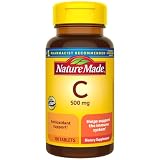
| Nature Made 500 mg Tablets | Gentle daily immune maintenance | under $10 |
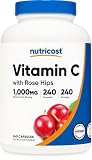
| Nutricost Vitamin C with Rose Hips 1025 mg | Bulk value with botanical pairing | under $20 |
| Nature Made Vitamin C Gummies | Anyone who dislikes swallowing pills | under $20 |
| Nature’s Bounty Vitamin C + Rose Hips | Budget caplets with added rose hips | under $10 |
| THORNE Vitamin C 500 mg with Citrus Bioflavonoids | Premium formulation with absorption support | under $30 |
| Sports Research High Potency 1000 mg | High potency in veggie capsule form | under $30 |
| Emergen-C Vitamin C 1000 mg Powder | On-the-go mixing with built-in flavor | under $20 |
How We Picked
See also: Best Black Friday Dresser Deals • Best Wooden Train Sets for Toddlers and Kids
We narrowed this list using four criteria that map directly to the needs of people living and traveling in vans. First, dose transparency: every product on this page states a clear per-serving amount of vitamin C on its front label, so you know exactly what you are taking without decoding a supplement facts panel. Second, form practicality: powders need water and a mixing vessel, gummies melt in heat, large tablets are hard to swallow on an empty stomach, and capsules are the most compact for storage — we considered all of these against the realities of a small living space. Third, ingredient additions: rose hips, citrus bioflavonoids, and other co-factors are common in this category, and we noted which products include them. Fourth, cost per serving: we compared listed prices against count to flag which products sustain daily use without becoming a budget problem.
The 8 Best Vitamin C in 2026
Nature Made Extra Strength Vitamin C 1000 mg Tablets
This is the no-frills workhorse for anyone who wants a full gram of vitamin C per day without paying premium prices. At roughly under nine cents per serving, it is one of the cheapest high-dose options in this group. The tablets are coated, which several owners mention as a plus for swallowing, though a few note they are physically large. The simple formulation — ascorbic acid with minimal binders — means fewer ingredient surprises, which appeals to people who want to avoid fillers and added botanicals they do not need.
- Pro: Low cost per serving for a 1000 mg dose
- Pro: Widely available and consistently stocked
- Con: Tablets are large and may be uncomfortable for people with a strong gag reflex
Skip this one if you prefer capsules or powders, or if your doctor has flagged high-dose ascorbic acid for digestive tolerance.
Nature Made Vitamin C 500 mg Tablets for Daily Immune Support
The 500 mg variant is the gentler option in the Nature Made line, designed for people who want steady daily intake without pushing toward the upper end of supplemental dosing. The price under eight cents per tablet makes it the least expensive entry in this roundup on a per-serving basis. Owner feedback consistently highlights the small tablet size as a practical advantage, especially for those taking supplements on the move without water available immediately. For van-lifers who eat reasonably well and just want a modest insurance dose, this hits the sweet spot.
- Pro: Smallest and easiest-to-swallow tablet in the Nature Made range
- Pro: Lowest per-serving cost across all eight products compared
- Con: No added bioflavonoids or botanical co-factors
Skip this if you need a higher dose for a specific short-term purpose, since 500 mg is maintenance-level rather than intensive.
Nutricost Vitamin C with Rose Hips 1025 mg, 240 Capsules
Nutricost positions this as a bulk value play: 240 capsules at just under eight cents per serving, each delivering a combined 1025 mg of vitamin C from both ascorbic acid and rose hip extract. The capsule form is a clear advantage over large tablets for anyone who struggles with swallow-ability, and the rose hip addition is the kind of botanical co-factor that some owners actively seek. The main trade-off is bottle size — 240 capsules is a large container that demands shelf space, which matters when your storage is measured in inches.
- Pro: Capsule form is gentler on digestion than tablets
- Pro: Rose hips provide a small dose of naturally occurring vitamin C alongside ascorbic acid
- Con: Large bottle is unwieldy for tight van storage
Skip this if you prefer smaller packages or want to minimize the number of bottles in your kitchen setup.
Nature Made Vitamin C Gummies, Maximum Strength Dosage, 80 Count
For people who simply cannot bring themselves to swallow pills, gummies solve the compliance problem, and these are the most recognizable option in that format. The trade-off is clear: at roughly eighteen cents per gummy, the cost per serving nearly doubles compared to tablet alternatives. Heat sensitivity is another practical concern for van-lifers, since gummies soften and fuse together in summer temperatures if not stored in a cool compartment. Owner feedback is generally positive on taste and ease of use, with recurring complaints about stickiness and a shorter shelf life once opened.
- Pro: No-swallow format ideal for pill-averse adults or older teens
- Pro: Pleasant flavor makes consistent daily use easier to maintain
- Con: Heat-sensitive; problematic in unairconditioned vehicles during summer
Skip this if cost efficiency matters or if your van gets hot without climate control.
Nature’s Bounty Vitamin C + Rose Hips, Vegetarian Caplets, 100 Count
This product sits in the value tier with added rose hips, delivering a straightforward daily dose paired with a botanical extract that some research associates with improved bioavailability. The caplet form is medium-sized — easier to swallow than the full-dose Nature Made tablets but not as small as the 500 mg variant. At roughly under eight cents per caplet, it is one of the most cost-effective options with an ingredient addition. Owner reviews frequently mention that the caplets have a mild bitterness if chewed, so they are meant to be swallowed whole.
- Pro: Rose hips add botanical context without a meaningful price premium
- Pro: Caplet size balances compactness with swallow-ability
- Con: Bitter taste if the coating is compromised or the caplet is chewed
Skip this if you are looking for a chewable or liquid format, or if you want the highest single-dose potency available.
THORNE Vitamin C 500 mg with Citrus Bioflavonoids from Oranges
THORNE is the premium pick in this group, priced at roughly twenty-six cents per capsule — more than three times the cost of the budget tablets. What you get for that price is a formulation that pairs vitamin C with citrus bioflavonoids sourced from oranges, a co-factor that has been studied for its role in supporting capillary health and enhancing the absorption profile of ascorbic acid. The 500 mg dose is deliberately modest, targeting people who take vitamin C as part of a broader protocol rather than as a standalone megadose. Owner feedback praises the brand’s quality-control reputation and transparency.
- Pro: Citrus bioflavonoid pairing is a research-supported absorption co-factor
- Pro: THORNE’s reputation for third-party testing and ingredient transparency
- Con: Highest cost per serving in this comparison
Skip this if your primary goal is cost efficiency or if you need a dose above 500 mg per serving.
Sports Research High Potency Vitamin C 1000 mg, 240 Veggie Capsules
Sports Research delivers the full 1000 mg dose in a veggie capsule format, combining the potency of the Nature Made Extra Strength tablets with the swallow comfort of the Nutricost option. At roughly ten cents per capsule, it sits in the middle tier — not the cheapest way to get a gram per day, but competitive given the formulation. The 240-count bottle is a bulk option that reduces shopping frequency, a genuine convenience for people who travel far from stores. The veggie capsule shell makes this suitable for anyone who prefers plant-based over gelatin.
- Pro: High potency in an easy-to-swallow capsule form
- Pro: Large count reduces the need for frequent restocking
- Con: Higher cost per serving than tablet equivalents at the same dose
Skip this if you are on a strict budget or if your storage space cannot accommodate a large bottle.
Emergen-C Vitamin C 1000 mg Immune Support Powder, Orange, 30 Packets
Emergen-C occupies a distinct niche: it is not just vitamin C but a multi-vitamin powder designed to be dissolved in water, making it one of the best vitamin c formats for anyone who already drinks a lot of water on the road and wants the supplement bundled into a hydration routine. The orange flavor masks the sourness that pure ascorbic acid powder carries. The main drawback is cost — at roughly forty-three cents per packet, it is the most expensive per-serving option here. Individual sachets are compact and travel-friendly, which is a genuine advantage for van storage.
- Pro: Combines vitamin C with other B vitamins and zinc in one serving
- Pro: Individual packets are compact and easy to store anywhere
- Con: Highest cost per serving in this comparison
Skip this if you only want vitamin C without additional ingredients, or if the multi-vitamin profile overlaps with other supplements you already take.
Buying Guide
Matching Dose to Purpose
The single most important spec is how much vitamin C each serving delivers and whether that aligns with why you are taking it. If you are supplementing to cover a dietary gap caused by limited produce access, 500 mg per day is sufficient and keeps you well below the tolerable upper intake level. If you are running an intensive protocol for a short period — during illness or under unusual physical stress — 1000 mg or more is the standard target. Do not chase the highest number on the label if your goal is baseline maintenance; more ascorbic acid does not automatically translate to better outcomes, and it increases the chance of GI discomfort.
Form Factor and Van Practicality
Storage conditions in a van are not the same as in a climate-controlled pantry. Gummies soften above roughly 90 degrees Fahrenheit, which eliminates them as an option in unairconditioned vehicles during summer. Large tablets require water and space to store without rattling. Capsules are the most compact and temperature-stable option, though wide-mouth bottles with 240 counts need a dedicated shelf. Powders in individual sachets are the most flexible format: they survive heat, take up almost no space, and double as a hydration prompt. Choose the form that survives your specific storage environment before you optimize for price or dose.
Reading the Label for Co-Factors
Several products in this category pair vitamin C with rose hips or citrus bioflavonoids. These are not marketing gimmicks — both have been studied as natural co-factors that may support the uptake and tissue retention of ascorbic acid. However, the doses included in most commercial products are modest, so they should not be the primary reason you choose one over another if the base vitamin C dose is adequate. If a product has rose hips and costs roughly the same as one without, take the rose hips. But do not pay a threefold premium for a co-factor that is present in small quantities. The priority is always the stated milligram count of vitamin C itself.
Our Verdict
The best vitamin c option for most van-lifers in 2026 is the Nature Made Extra Strength 1000 mg Tablets. It delivers a meaningful dose at under nine cents per serving, the coated tablet is manageable for most adults, and the minimal formulation avoids the storage pitfalls of gummies and the cost inflation of premium blends. For the tightest budget, the Nature Made 500 mg Tablets win on price per serving and remain sufficient for maintenance-level intake. If you take vitamin C alongside other supplements and want a single packet that covers multiple micronutrients without a bottle, Emergen-C justifies its higher per-serving cost through convenience and format — but only if you are not already getting overlapping nutrients elsewhere.
FAQ
Is 1000 mg of vitamin C safe to take every day?
The tolerable upper intake level for adults is 2000 mg per day, so 1000 mg from a supplement is within the safe range for most people. That said, sustained high doses can cause digestive issues like cramping or diarrhea in sensitive individuals, and people with a history of kidney stones should consult a physician before daily use at this level.
Do rose hips or bioflavonoids actually make vitamin C work better?
Both rose hips and citrus bioflavonoids are thought to support the absorption and tissue retention of ascorbic acid, and they are often found together in whole fruits for a reason. In practice, the effect size at supplemental doses is small — meaningful if you are optimizing, but not a reason to skip a product that has a good base dose and a lower price.
Can I take vitamin C with other supplements?
Vitamin C generally plays well with most common supplements, including B vitamins, zinc, and iron, and it may actually enhance non-heme iron absorption when taken together. If you are on a multi-vitamin that already contains 100 mg or more of vitamin C, adding a standalone 1000 mg tablet may push you closer to the upper limit without providing additional benefit.
Which format lasts longest in a hot vehicle?
Capsules and tablets are the most heat-stable options in this category, with gummies being the least tolerant of warm storage. Powder sachets are generally fine because they are individually sealed, but the powder can clump if the foil is compromised. If your van does not have air conditioning during summer months, avoid gummies entirely.