Last updated: October 17, 2026
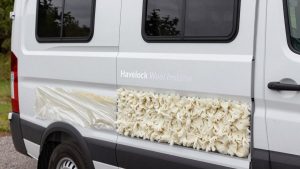
The best van insulation kits for most builds are 3M Thinsulate SM600L kits pre-cut for your van model, with sheep’s wool batts (such as Havelock Wool) as the strongest alternative for owners who want moisture buffering. Foam board and spray foam still have a place on floors and in specific cavities, but for walls and ceilings in a steel van, a fibrous, hydrophobic material that fills irregular spaces wins on practicality.
The bigger question is quantity. Most people either overbuy a full roll or end up a box short. This guide works through coverage by van size so you can buy the right camper van insulation kit the first time.

3M Thinsulate SM600L Automotive Camper Van Insulation 60 Inch x 120 Inch (5 Feet x 10 Feet)
Included for 'Best Van Insulation Kits by Van Size: Coverage Math for Sprinter, Transit and ProMaster' as a relevant option in this category; details come from the product listing.
View on Amazon3M Thinsulate SM600L Automotive Camper Van Insulation 60 Inch x 240 Inch (5 Feet x 20 Feet)
Included for 'Best Van Insulation Kits by Van Size: Coverage Math for Sprinter, Transit and ProMaster' as a relevant option in this category; details come from the product listing.
View on Amazon
RV Camper Insulation Roll, Water-Resistant Thermal & Sound Barrier, Automotive Camper Van Insulation 16.5" x 315" for Van Conversions, RVs, Trucks
Included for 'Best Van Insulation Kits by Van Size: Coverage Math for Sprinter, Transit and ProMaster' because the listing specifies Water-Resistant Thermal & Sound Barrier and RVs, details this guide uses to compare options.
View on Amazon
DETYI Automotive Camper Van Insulation, 60 x 240 Inch, 5 Feet x 20 Feet
Included for 'Best Van Insulation Kits by Van Size: Coverage Math for Sprinter, Transit and ProMaster' because the listing specifies 60 x 240 Inch and 5 Feet x 20 Feet, details this guide uses to compare options.
View on AmazonInsulation Materials Inside Common Kits
| Material | Typical thickness | Approx. R-value | Weight | Moisture behavior | Typical cost per sq ft |
|---|---|---|---|---|---|
| 3M Thinsulate SM600L | about 1.5 in (38 mm) | about R-5 total | very light | Hydrophobic, does not wick | $4 – $6 |
| Sheep’s wool batts | about 1.5 – 2 in | about R-3.5 per inch | light | Absorbs and releases vapor without losing much performance | $3 – $5 |
| Polyiso foam board | 0.5 – 1 in | about R-6 per inch | light, rigid | Closed cell, needs tight fit to avoid gaps | $1 – $2 |
| XPS foam board (floor) | 0.5 – 1 in | about R-5 per inch | rigid, compressive strength | Closed cell, good under subfloor | $1 – $2 |
| Closed-cell foam liner (sound/thermal) | about 0.15 – 0.25 in | low, about R-1 | light | Acts as thin thermal break | $2 – $4 |
| Foil bubble wrap (Reflectix type) | about 0.3 in | near zero without an air gap | very light | Can trap condensation against metal | $0.50 – $1 |
The R-values above are approximate and vary with thickness and how the material is installed. In a van, thermal bridging through the steel ribs often matters more than the last R-point of the batt, so fill rib cavities and cover the ribs where you can.
How Much Do You Need? Coverage by Van
See also: MaxxFan Deluxe vs Fantastic Fan for Vans: Which to Choose? • Can I Lay LVP in a Van? Van Flooring Guide
These are approximate areas for walls, ceiling and rear doors (not floor) in common high-roof cargo vans. Your actual number depends on window count and how much of the cab you insulate.
| Van | Approx. wall + ceiling area | Thinsulate needed (with 10% waste) | Floor area for foam board |
|---|---|---|---|
| Ford Transit 148 in high roof | about 200 – 240 sq ft | about 220 – 265 sq ft | about 55 – 65 sq ft |
| Ford Transit 148 in extended high roof | about 240 – 280 sq ft | about 265 – 310 sq ft | about 65 – 75 sq ft |
| Mercedes Sprinter 144 in high roof | about 190 – 230 sq ft | about 210 – 255 sq ft | about 55 – 60 sq ft |
| Mercedes Sprinter 170 in high roof | about 250 – 300 sq ft | about 275 – 330 sq ft | about 70 – 80 sq ft |
| Ram ProMaster 159 in high roof | about 220 – 260 sq ft | about 240 – 285 sq ft | about 65 – 70 sq ft |
Worked example: Sprinter 144 high roof
Say your measured wall and ceiling area comes to 215 sq ft. Add 10 percent waste for cutting around ribs and wheel wells: 236 sq ft. At $4 to $6 per sq ft for SM600L, the material cost lands around $950 to $1,400. Add roughly 60 sq ft of 1 in XPS for the floor at $1 to $2 per sq ft ($60 to $120), plus adhesive and tape. That is a realistic budget for sprinter van insulation without the guesswork.
Picks by Builder Type
Thinsulate van insulation kit: best for most DIY builders
Pre-cut kits for the Transit, Sprinter and ProMaster save hours of templating. Thinsulate is easy to cut with scissors, does not itch, does not hold water, and attaches with spray adhesive (3M 90 is the common choice). It is also a decent sound absorber, which a cargo van badly needs. Downsides: cost, and it compresses if you stuff it too tightly into narrow cavities.
Sheep’s wool: best for humid or variable climates
Wool can absorb moisture and release it later without a large performance drop, which makes it forgiving in vans used in coastal or wet regions. It is stuffable into ribs and pillars and is a natural material. It does need to be kept from direct contact with standing water, and some buyers notice a faint smell for the first few weeks.
Foam board hybrid: best on a tight budget
Polyiso on flat wall sections with wool or Thinsulate scraps in ribs and pillars gets you good R-value per dollar. The tradeoff is labor: rigid boards need precise cutting and gap filling, and any gap against cold steel becomes a condensation spot.
Common Mistakes That Waste a Good Kit
- Skipping the floor. Even 0.5 to 1 in of XPS under the subfloor makes a noticeable difference to comfort on cold mornings.
- Relying on foil bubble wrap alone. Without an air gap, reflective products add almost nothing and can trap moisture against bare metal.
- Ignoring windows. Single-pane van windows lose heat many times faster than insulated walls. Insulated window covers are part of the insulation plan.
- Covering wiring runs too early. Plan your electrical runs and fan opening first, then insulate.
- Using expanding spray foam carelessly. Spray cans in closed body panels can warp thin sheet metal and block drain holes.
Moisture Is the Real Enemy
A sleeping person releases a significant amount of water vapor each night, and cooking adds more. Insulation slows heat loss, but ventilation removes the moisture. Pair any camper van insulation choice with a roof vent fan and a habit of cracking a window. Make sure body drain holes stay clear and do not seal steel cavities completely with tape.
Bottom Line Decision Guide
| If you… | Choose |
|---|---|
| Want the fastest, cleanest install | Pre-cut Thinsulate SM600L kit |
| Travel in humid or coastal regions | Sheep’s wool batts |
| Have more time than money | Polyiso walls + scrap fill in ribs |
| Want maximum floor warmth | 1 in XPS under the subfloor |
Measure first, add 10 percent for waste, and treat moisture control as part of the insulation job. That combination matters more than which brand name ends up on the box.