Last updated: October 8, 2026
Best Mattresses Under $1,000 for Van Life
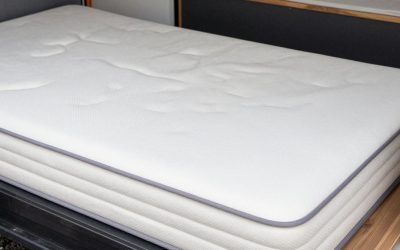
The best mattresses under $1,000 for van life are usually medium-firm high-density foam models or purpose-built RV mattresses, with a 6- to 10-inch profile chosen to match your sleeping platform, available headroom, and tolerance for condensation and heat.
Quick picks by van-life situation
See also: Best Portable Heater for Van Life: Safe Options Compared • Best Mattresses Under $500
| Situation | Best mattress type | Recommended specification | Typical price range |
|---|---|---|---|
| Occasional weekend trips | Basic all-foam mattress | 6–8 inches, medium firmness, washable cover | $250–$600 |
| Full-time van living | High-density foam or hybrid foam | 8–10 inches, medium to medium-firm, reinforced edges | $500–$950 |
| Limited roof height | Low-profile polyfoam or latex-free foam | 5–7 inches, medium-firm | $200–$550 |
| Side sleeper needing pressure relief | Memory-foam comfort layer over supportive foam | 8–10 inches, medium or medium-soft | $400–$900 |
| Hot sleeper or humid climate | Open-cell foam or ventilated latex | 6–8 inches, breathable cover and ventilated base | $450–$1,000 |
What to look for before choosing
Foam type
Polyfoam is the most practical budget material. It is light, inexpensive, and available in custom-cut dimensions. Higher-density polyfoam generally holds its shape better than low-density foam, although manufacturers do not always publish density. For a van mattress used several nights per week, look for a support core described as high-density or at least around 1.8 pounds per cubic foot when that specification is available.

RV Mattress Underlay Pad - 83 x 59 Inch Plastic Under Mattress Ventilation Pad - Interlocking Airflow Mat - Breathable Mesh Mattress Ventilation Mat for RV, Camper, Boat, Van Bed
Included for 'Best Mattresses Under $1,000 for Van Life' because the listing specifies 83 x 59 Inch Plastic Under Mattress Ventilation Pad and Interlocking Airflow Mat, details this guide uses to compare options.
View on Amazon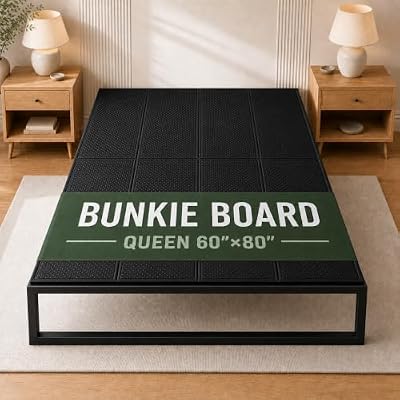
DFAN 60"×80" Bunkie Board Queen Size – Double Sided Non-Slip Breathable Bed Support, Anti-Sag Queen Bed Slats Support Under Mattress for Slatted Bed Frame Base, Metal Frames, Sofa Beds, Foldable Black
Included for 'Best Mattresses Under $1,000 for Van Life' because the listing specifies Double Sided Non-Slip Breathable Bed Support and Metal Frames, details this guide uses to compare options.
View on Amazon
MABOZOO 80 * 60 Inch RV Underlay Under Mattress Pad, Breathable 3D Air Mesh RV Under Mattress Ventilation Creating Air Flow for Boat, Camper, Bed (Queen)
Included for 'Best Mattresses Under $1,000 for Van Life' because the listing specifies Camper and Bed (Queen), details this guide uses to compare options.
View on Amazon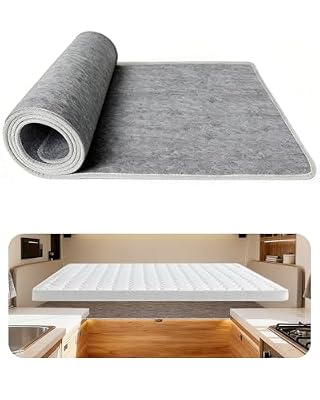
RV Mattress Underlay Moisture Barrier, Under‑Mattress Ventilation Pad
Included for 'Best Mattresses Under $1,000 for Van Life' because the listing specifies Under‑Mattress Ventilation Pad, details this guide uses to compare options.
View on AmazonMemory foam provides noticeable contouring and can reduce pressure at the shoulders and hips. Its drawbacks in a van are heat retention, slower movement response, and sensitivity to cold temperatures. A thick memory-foam layer can also make it harder to sit up or change position. For most vans, 2–3 inches of memory foam over a firmer base is more practical than an all-memory-foam mattress.
Latex is springier, more breathable, and usually more durable than conventional foam. It is also heavier and often more expensive. A latex comfort layer over a supportive foam base can fit within a $1,000 budget, but a full latex mattress may exceed it, especially in a custom RV size. Anyone with a latex allergy should avoid latex or obtain professional guidance before choosing it.
Hybrid mattresses combine foam with pocketed coils. They can feel cooler and more supportive, but the coil system adds weight, thickness, and potential noise. Check the actual weight before buying: a 10-inch hybrid can weigh 70–100 pounds in a larger van size, making removal for cleaning difficult. A foam mattress in the same footprint may weigh 35–60 pounds.
Firmness and sleeping position
Firmness labels are not standardized between manufacturers, so “medium” is only a starting point. Back sleepers often prefer medium-firm support, while side sleepers commonly need more cushioning around the shoulder and hip. Stomach sleepers may prefer a firmer surface that limits excessive sinking.
Van beds need enough support at the edges because the mattress is often used as a seat, folded against a wall, or placed on a platform with irregular support. A mattress that feels comfortable in the center can sag if the slats or plywood deck are too widely spaced.
Thickness and headroom
Thickness affects comfort, weight, cost, and usable interior height. A 6-inch mattress can work well for a compact van or a firm platform, while 8 inches is a useful compromise for many full-time builds. Ten inches offers more cushioning but may reduce sitting headroom and increase condensation risk if air cannot circulate underneath.
Measure from the top of the platform to the lowest ceiling obstruction, then subtract your desired sitting clearance. If a 10-inch mattress leaves only 28 inches between the surface and the ceiling, an 8-inch model may be the better choice even if it is slightly less luxurious.
Mattress sizes that fit common van platforms
| Size or description | Approximate dimensions | Common use | Fit notes |
|---|---|---|---|
| Short twin | 30–36 x 72–75 in | Compact vans and solo beds | Easy to source; narrow widths may require a custom cover |
| RV short queen | 60 x 74–75 in | Many fixed and convertible platforms | Usually 5 inches shorter than a standard queen |
| Three-quarter or custom | 48–54 x 72–75 in | Solo sleepers wanting extra width | Often requires custom foam and bedding |
| Standard queen | 60 x 80 in | Large vans with extended platforms | May waste valuable aisle or storage space |
| Split or hinged mattress | Any footprint in two or three sections | Convertible seating and garage access | Measure hinge gaps and allow for upholstery clearance |
Do not assume a platform described as “queen” uses standard queen dimensions. Measure the usable deck at its narrowest points, including wheel arches, cabinets, doors, and hinge hardware. Order the mattress slightly smaller than the available opening—usually about 1/2 inch of clearance on each side—so it does not buckle when humidity causes fabric and foam covers to expand.
Cooling and moisture management
Cooling depends on the entire sleep system, not just a marketing label. Memory foam with a cooling cover may still sleep warm if it sits directly on a solid plywood deck. Use a ventilated platform, breathable mattress cover, or a purpose-made under-mattress ventilation layer. Keep the mattress raised from the deck enough for air to move, while preventing it from sliding during travel.
Condensation is a larger ownership concern than temperature alone. Lift or hinge the mattress regularly, particularly after sleeping in cold weather. Dry the underside before storing the bed in its folded position. A waterproof protector guards against spills, but an impermeable layer directly beneath the mattress can trap moisture, so ventilation must be planned above or below it.
Warranty coverage and return policies
Under-$1,000 mattresses often carry limited warranties lasting roughly 5–15 years, but coverage usually applies to manufacturing defects and excessive permanent indentation—not normal softening, stains, mold, or damage caused by an unsupported platform. Check the required foundation spacing before purchase. Some warranties require slats no more than 3–4 inches apart or a continuous, properly supported base.
Return policies matter more than a long warranty when firmness is uncertain. Confirm the trial period, return freight rules, disposal requirements, and whether a mattress compressed for shipping must be opened within a specified time. A mattress that fits a home bedroom may not be returnable after cutting, modifying, or installing it in a custom van cover.
Durability realities in a van
- The cover usually wears first. Zippers, seams, and corners rub against cabinetry and platform edges. A removable, washable cover is worth paying for.
- Foam softens before it visibly fails. High-use areas such as the hip and shoulder zones may become less supportive before a deep dip appears.
- Folding creates stress points. A mattress designed to bend is preferable for a convertible bed. Do not sharply fold a thick mattress unless the manufacturer permits it.
- Weight affects daily usability. A heavy hybrid may be comfortable but impractical if you must lift it to access storage or dry condensation.
- Pet claws and grit damage covers. Use a fitted protector and vacuum the platform periodically before reinstalling bedding.
A simple value calculation
Suppose a $700 mattress lasts four years and is used 180 nights per year. That is 720 nights, or about $0.97 per night before accessories. A $350 mattress lasting two years and used the same number of nights costs about $0.97 per night as well. The more expensive mattress is not automatically better value; its advantage may be improved cooling, edge support, or a longer usable life.
For occasional use, calculate cost per night based on realistic usage rather than full-time assumptions. A $400 mattress used 30 nights annually for four years costs approximately $3.33 per night. In that situation, easy storage, low weight, and a washable cover may matter more than premium durability.
Best overall buying strategy
For most van owners, choose an 8-inch medium or medium-firm foam mattress with a removable cover, a supportive base, and dimensions measured directly from the platform. Spend part of the budget on ventilation and a mattress protector instead of putting the entire amount into extra thickness. If you sleep hot, prioritize breathable construction and airflow beneath the mattress. If you convert the bed daily, prioritize two or three manageable sections and reinforced upholstery over a heavy hybrid.
Before ordering, verify the packed dimensions, final weight, foundation requirements, warranty exclusions, return procedure, and exact finished size. Those details determine whether a mattress works in a van far more reliably than its showroom firmness label or advertised comfort features.