Last updated: October 4, 2026
If you run a dash cam, a trail camera mounted on your roof rack, or a security setup watching your van overnight, the SD card inside is the single component most likely to fail without warning. Unlike a laptop or phone where storage lasts years, these cameras rewrite the card thousands of times per week, and not every card handles that cycle equally. The problem is not finding a card that works on day one — it is finding one that still works on day three hundred.
Comparing published specs and aggregated owner feedback across these eight options reveals a clear split. Cards rated for high peak read speeds often tell you nothing about sustained write performance, which is what actually matters when a camera loops through footage. Brand reputation, cell type, and price-per-card tradeoffs separate the reliable picks from the ones that generate forum complaints about corruption. This roundup compares the full set available to van-lifers shopping in 2026.
As an Amazon Associate we earn from qualifying purchases at no extra cost to you.


Quick Picks
| Product | Best for | Price |
|---|---|---|
| SANDISK 128GB Extreme PRO | 4K dash cams needing high sustained throughput | under $60 |
| SANDISK 64GB Extreme PRO SDXC | 4K UHD video recording in a van setup | under $40 |
| SanDisk 32GB Ultra | Single low-demand camera, tightest budget | under $30 |
| GIGASTONE 32GB 5-Pack | Running multiple trail cameras across a campsite | under $70 |
| PNY 32GB Elite 5-Pack | Cost-effective multi-camera security coverage | under $60 |
| SANDISK 64GB Extreme PRO | Balanced 4K and dash cam use at mid-range price | under $40 |
| INDMEM 16GB 10-Pack | Fleet setups needing many identical spare cards | under $90 |
| INLAND 16GB 5-Pack | Backup cards for action cams and older devices | under $50 |
How We Picked
See also: Best Black Friday Dresser Deals • Best Wooden Train Sets for Toddlers and Kids
We scored each card on four criteria drawn from published specifications and recurring themes in owner feedback. First: sustained write reliability under loop recording, since dash cams and trail cameras do not idle. Second: price per usable gigabyte or per card, depending on whether a multi-pack or single high-capacity card fits the setup. Third: compatibility with the camera classes van-lifers actually use — from V30-rated 4K dash cams down to older UHS-I trail cameras. Fourth: brand and cell-architecture signals (MLC versus TLC, documented endurance) that correlate with longevity in owner reports.
The 8 Best Sd Cards in 2026
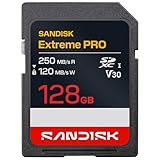
SANDISK 128GB Extreme PRO SD Memory Card, Up to 250MB/s Read Speeds, UHS-I
The highest-capacity single card in this group, rated at up to 250MB/s read on UHS-I. For van-lifers running a modern 4K dash cam that demands V30 sustained write, this is the option that eliminates capacity anxiety — you can record longer between offloads. Owner feedback consistently highlights durability across hot and cold cycling, relevant for cards sitting in a van through summer heat and winter frost. The main con is the price-per-gigabyte when compared to multi-packs, and some buyers only need one card. Skip it if your camera caps out at 1080p or you already own a smaller Extreme PRO that handles the workload.
- Pro: 128GB capacity reduces swap frequency on long trips
- Pro: 250MB/s read speed means fast offloads to a laptop
- Con: Highest single-card price in this roundup
SANDISK 64GB Extreme PRO SDXC UHS-I Memory Card – C10, U3, V30, 4K UHD
Explicitly rated for 4K UHD video with a V30 speed class, making it the safest spec match for the dash cams most van-lifers install. The U3 and V30 markings are not marketing fluff — they guarantee minimum sustained write rates that prevent dropped frames during recording. For under $40, it sits in a sweet spot between capacity and cost for a single-camera setup. The con: 64GB fills faster than the 128GB sibling, meaning more frequent manual offloads if you record in high-bitrate 4K. Skip it if you already carry a card reader and prefer to swap multiple smaller cards to spread risk across devices.
- Pro: V30 and U3 ratings explicitly match 4K camera requirements
- Pro: Strong price-to-spec ratio for a single high-demand camera
- Con: 64GB may require frequent offloading on 4K loop recordings
SanDisk 32GB Ultra 100MBs SDHC Memory Card
The cheapest entry point here for under $30, rated at 100MB/s read on SDHC. This is the card for a secondary camera, an older trail cam, or a backup slot in your van’s gear bag. Owner reports note it handles 1080p dash cam recording without issue, though it carries no V30 or U3 rating that would support sustained 4K. The con: SDHC (not SDXC) caps at 32GB, and without guaranteed sustained write minimums, it is riskier under heavy loop-recording loads. Skip it for your primary 4K camera or any device you rely on for security footage overnight.
- Pro: Lowest single-card price makes it an easy backup option
- Pro: Reliable for 1080p cameras and older trail cam hardware
- Con: No V30 or U3 rating — not suitable for 4K sustained recording
GIGASTONE 32GB SD Card 5-Pack UHS-I U1 Class 10
Five 32GB cards rated U1 Class 10 with up to 80MB/s read, designed for Full HD video. For van-lifers running three to five trail cameras around a campsite or covering multiple angles with action cams, a five-pack eliminates the need to buy cards individually. The included mini cases address a real annoyance: loose SD cards rattling in a drawer or getting lost in seat crevices. The con: U1 and Class 10 are entry-level speed tiers, so these will not sustain 4K writes, and the per-card cost is higher than some singles. Skip it if you need only one high-speed card or your cameras require V30.
- Pro: Five cards with cases suit multi-camera setups in one purchase
- Pro: Full HD compatible with documented trail camera support
- Con: U1 speed class limits use to 1080p or lower recording
PNY 32GB Elite C10 U1 V10 SDHC Flash Memory Card 5-Pack, UHS-I
Similar multi-card logic to the GIGASTONE pack, but PNY is a longer-established memory brand, which matters when owner forums report failures. The V10 rating guarantees a minimum sustained write of 10MB/s — adequate for 1080p cameras but not 4K. For under $60 for five cards, the per-card cost undercuts most singles for casual use. The con: UHS-I U1 means these cannot feed a high-bitrate 4K dash cam reliably, and 32GB per card fills quickly on loop recordings. Skip it for your primary security camera; use these for trail cams, action cams, or older devices in your van’s electronics bag.
- Pro: PNY brand track record on memory reliability
- Pro: Five-pack pricing suits multi-camera van setups
- Con: V10 is the lowest video-speed class in this list
SANDISK 64GB Extreme PRO SD Memory Card, Up to 200MB/s Read Speeds, UHS-I
Shares the Extreme PRO line with the 128GB and the other 64GB card above, but this variant is listed at up to 200MB/s read rather than the V30-marked version. The practical difference for a van-lifer is small — both are UHS-I and suitable for high-demand cameras — but the spec listing here is less explicit about sustained write guarantees. For under $40, it carries a modest premium over the identically specced alternative. The con: ambiguity in listed speed ratings compared to the V30-marked sibling makes it harder to confirm compatibility with 4K cameras from the spec sheet alone. Skip it if the other 64GB Extreme PRO is available at the lower price.
- Pro: 200MB/s read speed for quick card-to-laptop transfers
- Pro: Same Extreme PRO durability reputation as the higher-priced sibling
- Con: Less explicit V30/U3 labeling than the other 64GB option
INDMEM SD Card 16GB, 10-Pack UHS-I Class 10 MLC Flash Memory Card
The MLC (Multi-Level Cell) architecture is the standout detail here. MLC NAND tolerates far more write cycles than standard TLC, which directly addresses the primary failure mode for dash cam and security cards in a van: constant rewriting until the card corrupts. A ten-pack for under $90 covers an entire fleet of trail cameras or provides deep spares for a multi-camera security rig. The con: 16GB per card is small by modern standards, meaning frequent swaps on higher-bitrate cameras. Skip it if your primary camera needs 32GB minimum or you prefer fewer, larger cards over many small ones.
- Pro: MLC flash architecture promises higher endurance under loop recording
- Pro: Ten cards at once eliminate frequent reordering for multi-camera setups
- Con: 16GB per card may be too small for modern camera capacities
INLAND 16GB SDHC Flash Memory Card Standard Full Size SD Card (5 Pack)
A straightforward five-pack of full-size SDHC cards, the smallest capacity and simplest spec sheet in this group. INLAND is a house brand, and owner feedback is sparse but generally notes these work fine in older cameras and action cams that do not stress the card. The value proposition is volume: five cards for under $50 suits someone equipping multiple cheap trail cams or keeping backups for a mix of devices. The con: no speed class is listed beyond the implied SDHC standard, making compatibility confirmation difficult for newer cameras that require minimum U3 or V30. Skip it for any camera that explicitly requires a speed-classed card.
- Pro: Five-pack pricing suits setups with many low-demand cameras
- Pro: Standard full-size form factor fits all SD slot devices
- Con: No published speed class rating to confirm compatibility
Buying Guide
Speed Class Is More Important Than Peak Read
Manufacturer listings lead with read speed because it is the flashiest number, but a dash cam or trail camera only writes. The rating that governs write performance is the speed class: U1 guarantees 10MB/s sustained, U3 guarantees 30MB/s, and V30 mirrors U3. A card listing 250MB/s read but no V-class rating tells you nothing about whether it will drop frames during 4K recording. For any camera set above 1080p, treat V30 as the minimum spec you require on the card itself, not just in marketing copy.
Capacity Versus Multi-Pack Tradeoffs
A single 128GB card is simpler: one card, one camera, fewer swaps. A five-pack of 32GB cards lets you spread risk — if one card fails overnight, you still have footage from the others. Van-lifers running a front dash cam, a rear cam, and two trail cameras benefit from multi-packs because they are stocking several devices at once. The break-even math matters: compare per-card cost, not total pack price, when deciding between a single high-capacity Extreme PRO and a pack of budget cards.
Cell Type Predicts Lifespan Under Loop Recording
TLC NAND dominates the consumer card market because it is cheaper. MLC NAND costs more per gigabyte but endures significantly more write cycles before degradation. For cameras that record continuously — security cams, forward-facing dash cams that run all day — MLC cards are a meaningful upgrade in expected lifespan. If your camera only records on motion trigger or you swap cards weekly, the durability difference matters less and budget TLC cards serve fine.
Our Verdict
The top pick is the SANDISK 64GB Extreme PRO SDXC with V30 rating for under $40. It explicitly meets the minimum sustained-write requirement for 4K cameras, carries SanDisk’s reliability track record, and prices well for a single-card setup. The budget pick is the SanDisk 32GB Ultra for under $30 — the cheapest way to get a known-brand card into an older or lower-demand camera. If your van runs five or more trail cameras and you want a single purchase, the GIGASTONE five-pack wins on convenience despite lower per-card performance.
FAQ
Can I use a Class 10 card in a camera that requires U3?
Class 10 is a sequential speed floor of 10MB/s, while U3 requires 30MB/s sustained write. A card meeting only Class 10 will likely drop frames in a camera that specifies U3. Check for the U3 marking on the card label, not just the Class 10 logo.
Do I need an SDXC card or is SDHC enough?
SDHC cards cap at 32GB; SDXC starts at 64GB. If your camera supports cards above 32GB, SDXC is necessary to access that capacity. For cameras locked to 32GB or lower, SDHC cards work identically and often cost less per card in multi-packs.
How often should I replace an SD card in a dash cam?
Owner reports on endurance-focused cards suggest replacing after one to two years of daily loop recording, regardless of brand. For MLC cards or motion-trigger-only usage, the interval extends further. Many van-lifers set a calendar reminder at six months as a low-effort safety measure.
Will a UHS-I card work in a UHS-II camera slot?
Yes. UHS-II slots are backward-compatible with UHS-I cards. The card will operate at UHS-I speeds, which is sufficient for most van-life camera setups since dash cams and trail cameras rarely exceed the bandwidth of UHS-I anyway.