- Top Pick: 200W Portable Solar Panel for Power Station, 24% High Efficiency ETFE Foldable Solar Panel Charger, QC3.0, Type-C 60W, MC4 Output, IP65 Waterproof, for Outdoor Camping, RV, Emergency Power Supply
- Best Value: Renogy 200W Portable Solar Panel for Power Stations, 25% Efficiency
- Premium Choice: Callsun N-Type 16BB 400W Bifacial Solar Panel, 2×200W Solar Panels
Last updated: September 7, 2026
Solar power is the cornerstone of comfortable off-grid van life. The right portable solar panel keeps your batteries topped up, runs your fridge through cloudy days, and removes the constant anxiety of finding shore power. This guide compares the best portable solar panels for van life in 2026 — covering wattage selection, foldable vs rigid panels, MPPT controllers, real-world output, and how to size your system properly.
As an Amazon Associate we earn from qualifying purchases at no extra cost to you.


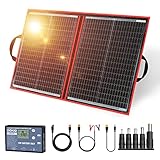

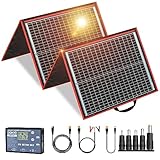

- Best Overall: Renogy 200W Foldable Solar Suitcase
- Runner-Up: Goal Zero Boulder 200
- Best Budget: BougeRV 200W Foldable Panel
🛒 Best Price Today on Amazon
Prime members get fast, free shipping on everything above, plus member-only deals. New members get a 30-day free trial — cancel anytime.
- How Much Solar Do You Actually Need for Van Life?
- Portable vs Rooftop: Which Should You Choose?
- Foldable vs Rigid Portable Panels
- MPPT vs PWM Charge Controllers
- Real-World Daily Output Estimates
- Connection Standards: MC4, Anderson, XT60
- Top Van Life Solar Picks for 2026
- Installation and Daily Use Tips
- Common Solar Mistakes Van Lifers Make
- Frequently Asked Questions
- Final Thoughts
- Related Articles
- Related Guides
How Much Solar Do You Actually Need for Van Life?
The biggest mistake new van lifers make is undersizing solar based on theoretical max output. A “200W” panel produces 200W under ideal conditions (perfect angle, full sun, clean panel, ideal temperature) — which rarely happens in real life. Realistic daily harvest is 50-70% of rated wattage in summer, 25-40% in winter, depending on latitude and weather.
Calculate your daily energy needs first:
- 12V refrigerator: 30-60 Ah/day (typical 50L cooler)
- LED lighting: 2-5 Ah/day
- Phone + laptop charging: 5-15 Ah/day
- 12V water pump: 1-3 Ah/day
- Fans: 2-8 Ah/day per fan
- Inverter use (induction cooktop, etc): 20-80 Ah/day
Typical totals: minimalist solo van (50-80 Ah/day) → 200W solar suffices. Family or full-time with appliances (150-250 Ah/day) → 400-600W solar needed.
Portable vs Rooftop: Which Should You Choose?
See also: Best Ways to Keep a Van Tidy on the Road • Best Cyber Monday Cologne Deals
Portable (Suitcase or Foldable) Solar
Portable panels live inside the van and deploy on the ground when parked. You can chase the sun by angling the panel toward it (impossible with roof-mounted) and park in shade while leaving panels in sun (massive advantage in hot climates).
Pros:
- Better output per watt because you can angle them toward the sun
- Park in shade, deploy panels in sun (huge cooling benefit)
- No drilling holes in your roof
- Theft-deterrent (bring inside when leaving van)
- Easy to upgrade or replace
Cons:
- Must deploy and stow manually every stop
- Don’t charge while driving
- Take up storage space inside van
- Security risk in public campgrounds (theft)
Rooftop (Rigid or Flexible) Solar
Permanently mounted to van roof, generates power automatically whenever you’re parked in sun.
Pros:
- Zero setup — generates whenever vehicle is in sun
- Charges while driving (extends touring range)
- No interior storage needed
- More watts possible (full roof = 600-1200W)
Cons:
- Can’t angle toward sun (loses 20-40% efficiency vs portable)
- Requires roof drilling or adhesive mounting
- Stops working when you park in shade (often unavoidable in summer)
- Higher install cost ($200-500 for proper mounting)
The Best Van Life Solar Setup: Both
Experienced van lifers run 200-400W on the roof for passive charging AND a 100-200W portable panel for boost charging when stationary. This redundancy handles all conditions — driving days charge automatically, stationary cloudy days get manual angle adjustment to maximize harvest.
Foldable vs Rigid Portable Panels
Foldable Solar Briefcases (Most Popular)
Foldable suitcase-style panels are the dominant portable format. Two or three rigid panels hinge together with a built-in stand. Compact when folded, full output when deployed, easy to angle. Popular brands: Renogy, EcoFlow, Goal Zero, Jackery, BLUETTI.
Common wattages: 100W, 120W, 160W, 200W, 220W. The 100-120W class is the sweet spot for solo van lifers — fits behind a seat, deploys in 30 seconds, generates 60-90 Ah on a good day.
Flexible (Roll-Up) Panels
Thin-film flexible panels weigh less and roll into a tube. Output per watt is lower than rigid (75-85% efficiency typical) and they’re less durable, but the storage advantage is enormous for tight van builds. Great as a supplemental panel rather than primary.
Rigid Frame Panels
Traditional rigid panels offer the highest watt-per-dollar but are bulky to store and harder to angle. Most van lifers skip these for portable use unless they have outdoor storage (rooftop carrier).
MPPT vs PWM Charge Controllers
A charge controller sits between your solar panel and battery, regulating voltage and preventing overcharge. There are two technologies:
MPPT (Maximum Power Point Tracking)
Modern, efficient — typically 95-98% conversion. Works well across varying conditions and panel sizes. Required for solar setups over 100W. Costs 2-3x more than PWM but recovers the investment in extra harvested power within months.
PWM (Pulse Width Modulation)
Older technology, 70-80% conversion. Acceptable for tiny setups (under 100W) where the cost difference matters. Avoid for any serious van life solar.
Recommendation: Always use MPPT for van life. The premium is worth it. Many portable panel kits include MPPT built-in — verify before purchasing.
Real-World Daily Output Estimates
| Panel Wattage | Summer Day Output | Winter Day Output | Cloudy Day |
|---|---|---|---|
| 100W | 30-50 Ah | 15-25 Ah | 5-15 Ah |
| 200W | 60-100 Ah | 30-50 Ah | 10-30 Ah |
| 400W | 120-200 Ah | 60-100 Ah | 20-60 Ah |
| 600W | 180-300 Ah | 90-150 Ah | 30-90 Ah |
Output depends on latitude, season, weather, and angle. Numbers above assume optimal angle and clean panels at 35° latitude.
Connection Standards: MC4, Anderson, XT60
Solar panels use one of three connector standards. Compatibility matters more than people realize.
- MC4: Industry standard, used on most permanent install panels and quality portable units. Most secure and weatherproof.
- Anderson Powerpole: Used by Goal Zero, some Bluetti products. Easier to disconnect, less weatherproof.
- XT60: Smaller, RC-hobby origin, now standard on EcoFlow and Jackery. Quick connect/disconnect.
Adapters between standards are cheap ($5-15) but check connector compatibility before buying mismatched components.
Top Van Life Solar Picks for 2026
Best Overall Portable: Renogy 200W Foldable Solar Suitcase
The Renogy 200W foldable kit hits the sweet spot of portability and power. Built-in MPPT controller, 25-year power output warranty, monocrystalline cells, and weighs 26 lbs — manageable to carry. Deploys with built-in adjustable stand in under a minute. Compatible with most 12V battery systems via MC4 to alligator clips.
Best Premium Portable: Goal Zero Boulder 200 Briefcase
Higher-quality build, longer lifespan, better warranty than Renogy. Direct integration with Goal Zero Yeti power stations via Anderson Powerpole. Heavier and pricier but bombproof reliability.
Best Budget Portable: BougeRV 200W Foldable Panel
Surprisingly capable for the price. 23% efficiency monocrystalline cells, 25-year power output warranty, includes MC4 cables and alligator clip adapters. Stitching and frame quality below Renogy but functional output is similar.
Best Flexible for Tight Builds: Renogy 200W Flexible Panel
For van lifers with curved roofs or limited space, the Renogy flexible can adhere directly to a curved roof surface or be stored rolled up. Output is 80-85% of equivalent rigid panel but the flexibility unlocks installation options impossible with rigid.
Best Power Station + Panel Combo: EcoFlow DELTA 2 + 220W Portable
For van lifers without a permanent battery bank, the DELTA 2 plus 220W foldable panel provides an all-in-one solution. The DELTA 2 has 1024Wh of LFP storage, 1800W pure sine wave inverter, and X-Stream fast charging. The 220W panel deploys via MC4 to XT60 to charge the station in 4-6 hours of sun.
Installation and Daily Use Tips
Angle Toward the Sun
Every 10° off optimal angle costs about 5% output. In summer, panels work close to flat. In winter, angle steeply (40-60°). Many portable kits have built-in stands that don’t adjust enough — bring extra blocks of wood or a tilting accessory mount.
Keep Panels Clean
Dust, bird droppings, and pollen can reduce output by 20-30%. Wipe panels with a damp microfiber cloth before deploying. Avoid harsh chemicals which can degrade the protective coating.
Security Anchor
Portable panels are theft targets. Anchor with a cable lock to a fixed point (tree, fence, vehicle frame) when leaving them deployed.
Plan for Shade
Even small shadows (half a leaf) on a string of solar cells can drop output 50%+. Choose deployment spots carefully. Move panels every couple hours as shadows shift.
Battery Voltage Monitoring
Don’t rely on charge controller readings alone. Install a separate battery monitor (Victron BMV-712 or similar) for accurate state-of-charge. This pays for itself by preventing over-discharge that kills batteries early.
Common Solar Mistakes Van Lifers Make
Undersizing the Battery Bank
Solar without enough battery storage is like a faucet without a sink. Your solar generates power during sun hours; you need batteries to use it overnight. Match battery capacity to your daily Ah usage × 2-3 days reserve.
Mixing Old and New Panels
Combining different-wattage or different-age panels reduces total output because the lowest-performing panel limits the string. Buy panels as a matched set, or wire mismatched panels with their own dedicated controllers.
Ignoring Temperature Effects
Solar panel output drops 0.3-0.5% per degree Celsius above 25°C. Black asphalt parking lots in summer can reduce panel efficiency by 15-20%. Park on grass or shaded gravel when possible.
Cheap Cables
Undersized wiring loses 5-15% of generated power as heat. Use 10 AWG for runs over 15 feet, 12 AWG for shorter runs. The cost difference between cheap and good cables is $10-30 — pay it.
Frequently Asked Questions
How many watts of solar do I need for full-time van life?
Solo full-timers need 200-400W. Couples with full kitchens and electronics need 400-600W. Add 200W if you run AC or induction cooking. Most experienced full-timers run 400-600W total (rooftop + portable combined).
Can I run my van air conditioner on solar?
Running rooftop AC continuously requires 800-1500W solar plus significant battery storage (300+ Ah at 12V or equivalent LiFePO4). Most solar setups handle intermittent AC use during sunny days but cannot sustain it overnight without large battery banks.
Are portable panels worth it if I have rooftop solar?
Yes — portable panels let you park in shade for comfort while harvesting sun separately. In summer, parking in shade can drop interior temps 15-20°F, making the entire van livable. Portable plus rooftop is the optimal combination.
Do solar panels charge in cloudy weather?
Yes, but at reduced output. Heavy overcast typically produces 10-25% of rated wattage. Light overcast: 40-60%. Even rain doesn’t completely stop production. Plan for 30-50% reduction during multi-day cloudy stretches.
How long do portable solar panels last?
Quality monocrystalline panels last 20-25 years with 80%+ rated output even at end-of-life. The folding hinges and connectors on portable suitcase panels typically wear out before the cells themselves — expect 8-12 years of heavy use before mechanical failure.
Should I add a solar panel kit to my van or buy components separately?
Pre-built kits are easier for beginners and ensure compatibility. Component-by-component builds save 15-30% and let you upgrade individual parts later. If this is your first solar project, start with a kit.
Final Thoughts
Solar power is what makes off-grid van life sustainable long-term. The cost is meaningful upfront ($600-2500 for a complete setup) but pays back within 6-12 months versus running a generator or constantly seeking shore power. Start with realistic energy needs assessment, choose monocrystalline panels with MPPT controllers, and design for redundancy (rooftop + portable). The right solar setup means waking up to coffee, fridge food, and charged devices — every morning, regardless of where you parked.